



AD
2-(3-Buten-1-yl)oxirane(CAS: 10353-53-4)
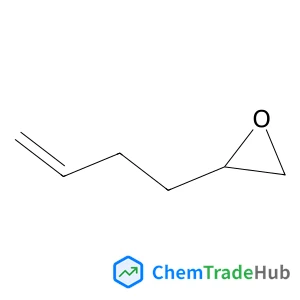
CAS Number
Related Products
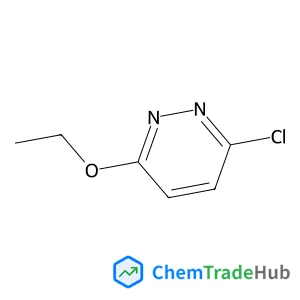
3-Chloro-6-ethoxypyridazine
CAS Number: 17321-20-9
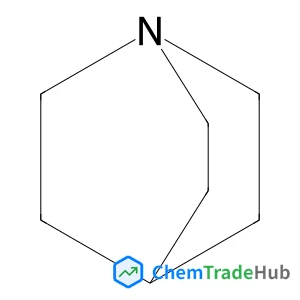
Quinuclidine
CAS Number: 100-76-5
![(1S,2S,3R,4S,6R)-4,6-Diamino-3-({(2R,3R,6S)-3-amino-6-[(1S)-1-(methylamino)ethyl]tetrahydro-2H-pyran-2-yl}oxy)-2-hydroxycyclohexyl 3-deoxy-4-C-methyl-3-(methylamino)-beta-L-arabinopyranoside](https://static.chemtradehub.com/structs/140/1403-66-3-b0c2.webp)
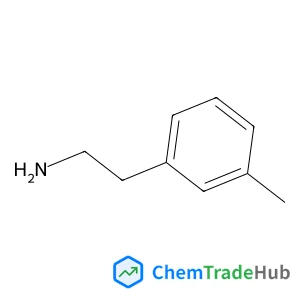
2-(3-Methylphenyl)ethanamine
CAS Number: 55755-17-4
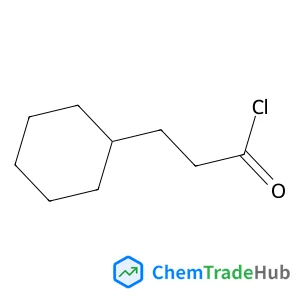
3-Cyclohexylpropanoyl chloride
CAS Number: 39098-75-4
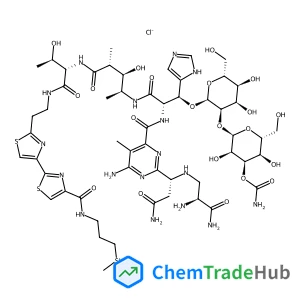
Bleomycin hydrochloride
CAS Number: 67763-87-5
![Sodium acetyl[(4-aminophenyl)sulfonyl]azanide hydrate (1:1:1)](https://static.chemtradehub.com/structs/620/6209-17-2-8e0a.webp)
Other Suppliers for 2-(3-Buten-1-yl)oxirane






Basic Information
Molecular Formula
C6H10O
Molecular Weight
98.14 g/mol
Physical Properties
Boiling Point
121°C(lit.)
Flash Point
15 ºC
Chemical Identifiers
SMILES
C=CCCC1CO1
InChIKey
MUUOUUYKIVSIAR-UHFFFAOYSA-N
Database References
MDL Number
MFCD00010051
FAQ
2-(3-Buten-1-yl)oxirane (CAS: 10353-53-4) is subject to the Globally Harmonized System of Classification and Labelling of Chemicals (GHS) and is classified as a flammable liquid. Under REACH regulations in the European Union, this compound may require a safety data sheet (SDS) and registration if it is manufactured or imported in quantities above the threshold. Additionally, the Food and Drug Administration (FDA) and Environmental Protection Agency (EPA) have guidelines for the safe handling and disposal of this compound, especially in the context of pharmaceutical and industrial applications.
There are several alternatives to 2-(3-Buten-1-yl)oxirane (CAS: 10353-53-4) in synthesis, including other epoxides and alkenes. Allyl bromide or vinyl acetate can be used as precursors in forming similar structures. For researchers and manufacturers, exploring these alternatives can help in reducing the risk of fire and improving process efficiency. However, the choice of alternative depends on the specific reaction conditions and desired product properties.
The market for 2-(3-Buten-1-yl)oxirane (CAS: 10353-53-4) is primarily driven by its use in the synthesis of pharmaceuticals, agrochemicals, and as a starting material for various polymers. Research trends are focusing on its application in the development of eco-friendly and sustainable chemical processes. There is also growing interest in its use as a versatile intermediate for creating new materials and drug candidates. Market trends suggest an increasing demand for safer and more efficient synthesis methods, which could influence future research and development.
Waste containing 2-(3-Buten-1-yl)oxirane (CAS: 10353-53-4) must be collected in appropriate containers and disposed of according to local regulations. The waste should be neutralized or treated to reduce its flammability before disposal. Incineration can be used as an environmentally friendly disposal method, but it should be conducted in specialized facilities to ensure all compounds are completely oxidized. Professional waste disposal services should be utilized to ensure compliance with environmental protection laws and to minimize the risk of accidental release or contamination. Always follow local regulations and consult with environmental authorities for specific disposal requirements.
Safety Notice
Please verify product specifications and safety data before use. Contact the supplier for detailed safety information.
Always follow proper handling procedures
Contact Information
1400838822@qq.com
Mobile
18064118002
Telephone
027-59599240
Fax
QQ询价更便捷。QQ:1400838000,1400838822
Visit Website
http://www.jushengtech.com