



AD
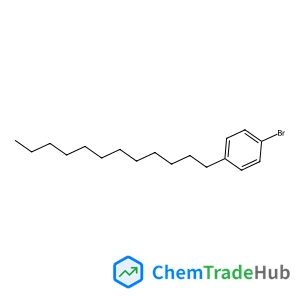
1-Bromo-4-dodecylbenzene(CAS: 126930-72-1)
CAS Number
Related Products
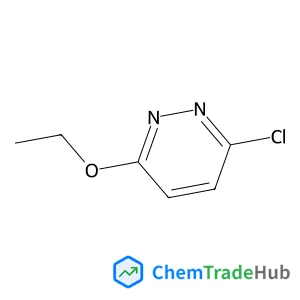
3-Chloro-6-ethoxypyridazine
CAS Number: 17321-20-9
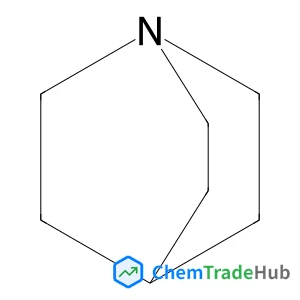
Quinuclidine
CAS Number: 100-76-5
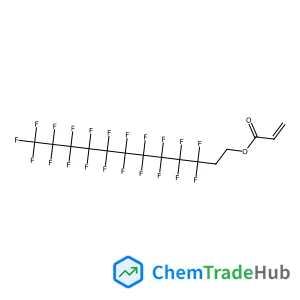
![(1S,2S,3R,4S,6R)-4,6-Diamino-3-({(2R,3R,6S)-3-amino-6-[(1S)-1-(methylamino)ethyl]tetrahydro-2H-pyran-2-yl}oxy)-2-hydroxycyclohexyl 3-deoxy-4-C-methyl-3-(methylamino)-beta-L-arabinopyranoside](https://static.chemtradehub.com/structs/140/1403-66-3-b0c2.webp)
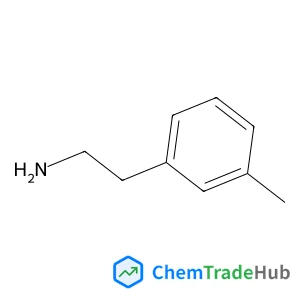
2-(3-Methylphenyl)ethanamine
CAS Number: 55755-17-4
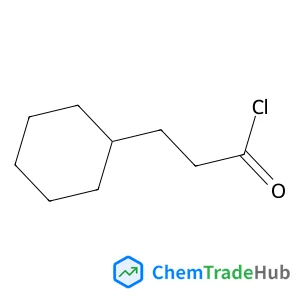
3-Cyclohexylpropanoyl chloride
CAS Number: 39098-75-4
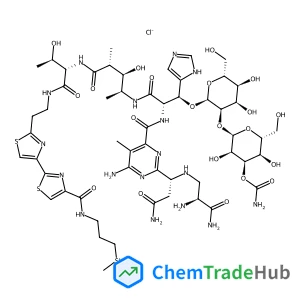
Bleomycin hydrochloride
CAS Number: 67763-87-5
![Sodium acetyl[(4-aminophenyl)sulfonyl]azanide hydrate (1:1:1)](https://static.chemtradehub.com/structs/620/6209-17-2-8e0a.webp)
Other Suppliers for 1-Bromo-4-dodecylbenzene







Basic Information
Molecular Formula
C18H29Br
Molecular Weight
325.33 g/mol
Physical Properties
Boiling Point
191°C/4mmHg(lit.)
Flash Point
17 °C
Chemical Identifiers
SMILES
CCCCCCCCCCCCC1=CC=C(C=C1)Br
InChIKey
RFFMRBISTZHCNY-UHFFFAOYSA-N
Database References
MDL Number
MFCD00191386
FAQ
1-Bromo-4-dodecylbenzene (CAS: 126930-72-1) is classified as a hazardous substance under the Globally Harmonized System of Classification and Labelling of Chemicals (GHS), specifically as an environmental hazard. It falls under the European Union's Registration, Evaluation, Authorisation, and Restriction of Chemicals (REACH) regulation. Additionally, it may be subject to the U.S. Environmental Protection Agency (EPA) and the Food and Drug Administration (FDA) regulations concerning hazardous substances and chemical safety in consumer products.
For the synthesis of similar functional groups, alternative bromination reagents such as bromine or other halogenating agents like N-bromosuccinimide (NBS) can be used. In some cases, alternative compounds like 1-iodo-4-dodecylbenzene or 1-chloro-4-dodecylbenzene might be considered as substitutes, depending on the specific application and desired properties.
1-Bromo-4-dodecylbenzene (CAS: 126930-72-1) is primarily used in the formulation of flame retardants and as a precursor in the synthesis of various chemical compounds. Market trends indicate increasing demand in the construction and automotive industries for flame retardants. Research is also focusing on the development of more sustainable and eco-friendly alternatives for traditional brominated flame retardants.
Waste containing 1-Bromo-4-dodecylbenzene (CAS: 126930-72-1) should be collected in appropriate containers designed for hazardous materials, ensuring proper labeling. The waste should be handled by a professional hazardous waste disposal service. Incineration is a common method for disposal, as it is effective in reducing the volume and converting the compound into non-hazardous substances. Environmental precautions include ensuring that emissions do not exceed safety limits and that all waste disposal activities comply with local, national, and international regulations.
Safety Notice
Please verify product specifications and safety data before use. Contact the supplier for detailed safety information.
Always follow proper handling procedures
Contact Information
1400838822@qq.com
Mobile
18064118002
Telephone
027-59599240
Fax
QQ询价更便捷。QQ:1400838000,1400838822
Visit Website
http://www.jushengtech.com