



AD
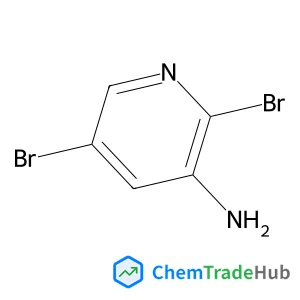
2,5-Dibromopyridin-3-amine(CAS: 90902-84-4)
CAS Number
Related Products

![5-(1H-Pyrazolo[3,4-b]pyridin-3-yl)-1H-pyrrole-3-carboxylic acid](https://static.chemtradehub.com/structs/658/658695-85-3-1c03.webp)
![[3-(1-Pyrrolidinylcarbonyl)phenyl]boronic acid](https://static.chemtradehub.com/structs/723/723281-53-6-4004.webp)

5-Iodo-3(2H)-pyridazinone
CAS Number: 825633-94-1
![1-[4-(3-Fluoro-4-hydroxyphenyl)-1-piperazinyl]ethanone](https://static.chemtradehub.com/structs/742/742067-12-5-8225.webp)
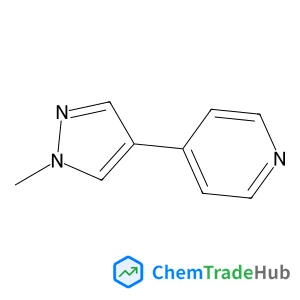
4-(1-Methyl-1H-pyrazol-4-yl)pyridine
CAS Number: 870863-00-6
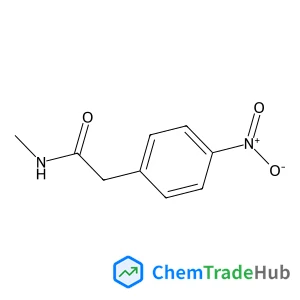
N-methyl-2-(4-nitrophenyl)acetamide
CAS Number: 98245-61-5
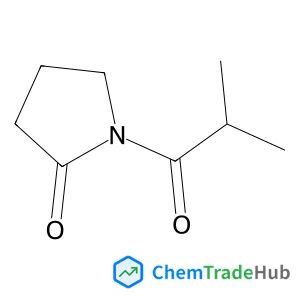
1-Isobutyryl-2-pyrrolidinone
CAS Number: 92475-82-6

N-(2-Methoxyphenyl)nicotinamide
CAS Number: 70301-27-8
Other Suppliers for 2,5-Dibromopyridin-3-amine






Basic Information
Molecular Formula
C5H4Br2N2
Molecular Weight
251.91 g/mol
Physical Properties
Melting Point
152.0 to 156.0 deg-C
Density
2.147g/cm3
Chemical Identifiers
SMILES
C1=C(C=NC(=C1N)Br)Br
InChIKey
VHGBUYMPBFPXQM-UHFFFAOYSA-N
Database References
MDL Number
MFCD09266224
FAQ
2,5-Dibromopyridin-3-amine (CAS: 90902-84-4) is subject to regulatory guidelines under the Globally Harmonized System of Classification and Labelling of Chemicals (GHS), including criteria for skin and eye irritation. It is also regulated under the REACH regulations in the EU, which require detailed hazard assessments and registration for substances above a certain tonnage. In the USA, the Environmental Protection Agency (EPA) and the Food and Drug Administration (FDA) may have specific regulations for its handling and use.
In synthesis, alternatives to 2,5-Dibromopyridin-3-amine (CAS: 90902-84-4) include other arylamines such as 2,5-dibromoaniline and 2,5-dibromopyridine, as well as related brominated compounds. Common alternative reagents for similar reactions include bromine itself or brominating agents like phosphorus tribromide. These alternatives may offer similar functionality but with varying degrees of reactivity and toxicity.
The market for 2,5-Dibromopyridin-3-amine (CAS: 90902-84-4) is growing due to its use in pharmaceuticals, agrochemicals, and materials science applications. Research trends focus on its potential as a precursor for synthesizing other compounds with unique properties. Market dynamics are influenced by factors such as increasing demand from the pharmaceutical industry and the development of new synthetic methods that enhance its availability and cost-effectiveness.
Waste containing 2,5-Dibromopyridin-3-amine (CAS: 90902-84-4) should be managed according to regulatory guidelines. Collect waste in appropriate containers, ensuring they are labeled with the correct chemical name and hazard information. Incineration or professional waste disposal is recommended for safe disposal. Implement environmental protection measures to prevent contamination of soil and water. Always consult local regulations and environmental agencies for specific disposal procedures.
Safety Notice
Please verify product specifications and safety data before use. Contact the supplier for detailed safety information.
Always follow proper handling procedures
Contact Information
sales@luohuapharm.com