



AD
2-Chloro-4,6-dinitrophenol(CAS: 946-31-6)
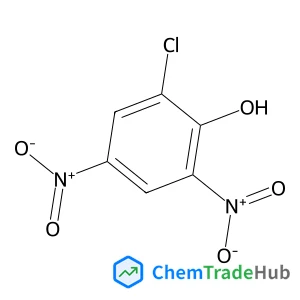
CAS Number
Related Products
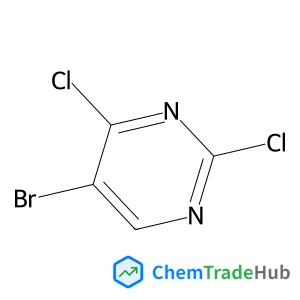
5-Bromo-2,4-dichloropyrimidine
CAS Number: 36082-50-5
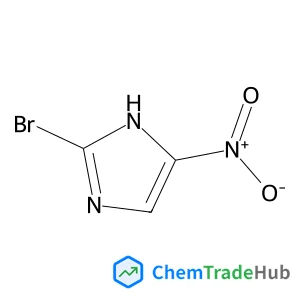
2-Bromo-4-nitro-1H-imidazole
CAS Number: 65902-59-2
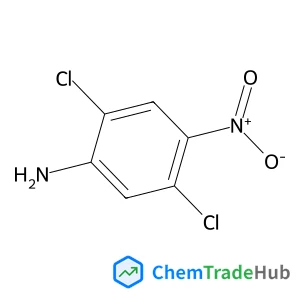
2,5-Dichloro-4-nitroaniline
CAS Number: 6627-34-5
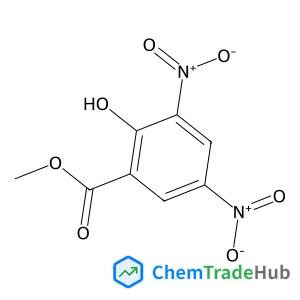
Methyl 2-hydroxy-3,5-dinitrobenzoate
CAS Number: 22633-33-6
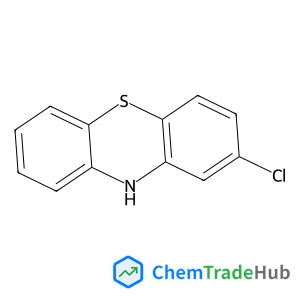
2-Chloro-10H-phenothiazine
CAS Number: 92-39-7
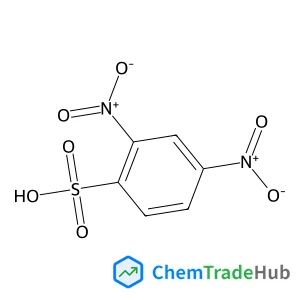
2,4-Dinitrobenzenesulfonic acid
CAS Number: 89-02-1
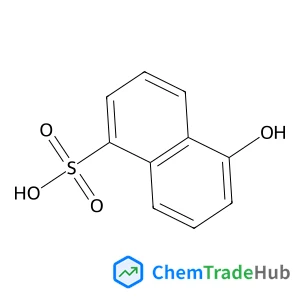
5-Hydroxy-1-naphthalenesulfonic acid
CAS Number: 117-59-9
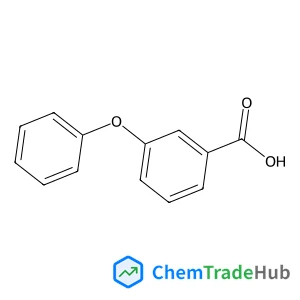
3-Phenoxybenzoic Acid
CAS Number: 3739-38-6
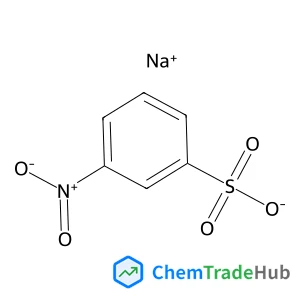
Sodium 3-nitrobenzenesulfonate
CAS Number: 127-68-4
Other Suppliers for 2-Chloro-4,6-dinitrophenol







Basic Information
Molecular Formula
C6H3ClN2O5
Molecular Weight
218.55 g/mol
Physical Properties
Melting Point
110-114 °C (lit.)
Density
1.769±0.06 g/cm3 (20 ºC 760 Torr),
Chemical Identifiers
SMILES
c1c(cc(c(c1[N+](=O)[O-])O)Cl)[N+](=O)[O-]
InChIKey
PCBCIXWBAPIVDV-UHFFFAOYSA-N
Database References
MDL Number
MFCD00024234
FAQ
2-Chloro-4,6-dinitrophenol (CAS: 946-31-6) is regulated under the Globally Harmonized System of Classification and Labelling of Chemicals (GHS), REACH regulations in the European Union, and the Toxic Substances Control Act (TSCA) in the USA. It is classified as a hazardous substance due to its health and environmental hazards. Additionally, the Food and Drug Administration (FDA) and the Environmental Protection Agency (EPA) have specific requirements for handling, storage, and disposal to ensure safety and compliance with environmental regulations.
There are several alternatives to 2-Chloro-4,6-dinitrophenol (CAS: 946-31-6) in synthetic processes. Common alternatives include 1,3-Dinitrobenzene and 2,4-Dinitrochlorobenzene, which can serve similar functional groups in reactions. These alternatives are often chosen based on reactivity, availability, and cost. It is essential to consider the specific requirements of the synthesis when selecting alternatives.
The market for 2-Chloro-4,6-dinitrophenol (CAS: 946-31-6) is relatively stable, with demand primarily driven by its use in analytical chemistry and as a reagent in various organic syntheses. Recent research trends focus on its application in developing new dyes and pigments, as well as in the synthesis of other nitro compounds. However, due to its hazardous nature, there is a growing emphasis on finding safer alternatives in industrial and academic settings.
Waste containing 2-Chloro-4,6-dinitrophenol (CAS: 946-31-6) should be handled with caution to prevent environmental contamination and ensure safety. Waste liquids should be collected in appropriate containers and stored separately. Incineration is a common method for disposal, but it must be conducted in a properly licensed facility to comply with environmental regulations. Professional waste disposal services are recommended. Proper handling should also include personal protective equipment (PPE) and adherence to local, national, and international waste disposal guidelines to mitigate risks.
Safety Notice
Please verify product specifications and safety data before use. Contact the supplier for detailed safety information.
Always follow proper handling procedures
Contact Information
Contact Person
Shi Jie