



AD
3-Chloro-1,1-diethoxypropane(CAS: 35573-93-4)
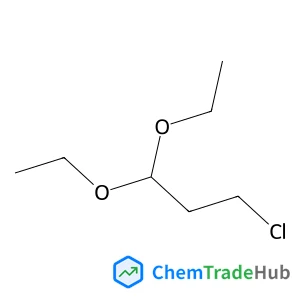
CAS Number
Related Products
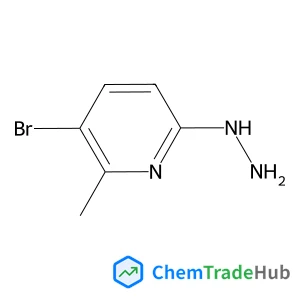
3-Bromo-6-hydrazinyl-2-methylpyridine
CAS Number: 39919-66-9
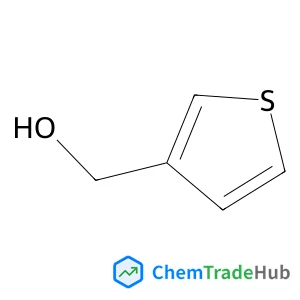
3-Thienylmethanol
CAS Number: 71637-34-8
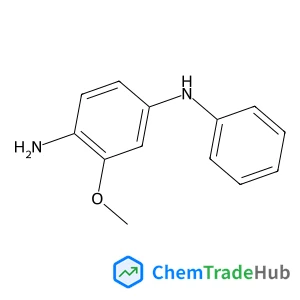
3-Methoxy-N1-phenylbenzene-1,4-diamine
CAS Number: 5840-10-8
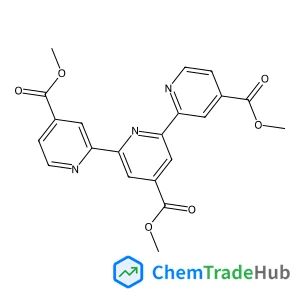
![5-Isoquinolinesulfonamide, N-[2-[[3-(4-bromophenyl)-2-propen-1-yl]amino]ethyl]-](https://static.chemtradehub.com/structs/127/127243-85-0-0f72.webp)
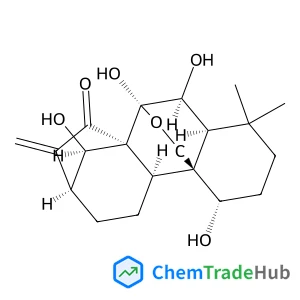
Oridonin
CAS Number: 28957-04-2
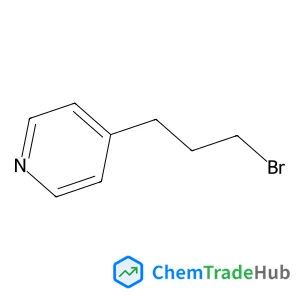
4-(3-Bromopropyl)pyridine
CAS Number: 40337-66-4
Other Suppliers for 3-Chloro-1,1-diethoxypropane







Basic Information
Molecular Formula
C7H15ClO2
Molecular Weight
166.65 g/mol
Physical Properties
Boiling Point
74°C/20mmHg(lit.)
Chemical Identifiers
SMILES
CCOC(CCCl)OCC
InChIKey
NXHONHDWVLPPCS-UHFFFAOYSA-N
Database References
MDL Number
MFCD00000994
Beilstein Registry Number
1698609
FAQ
3-Chloro-1,1-diethoxypropane (CAS: 35573-93-4) is regulated under the Globally Harmonized System of Classification and Labeling of Chemicals (GHS), the Registration, Evaluation, Authorization and Restriction of Chemicals (REACH) directive in the EU, and the U.S. Environmental Protection Agency (EPA) and the Food and Drug Administration (FDA) guidelines for industrial and commercial use. Compliance with these regulations is essential to ensure safety and environmental protection.
In the synthesis of certain organochlorine compounds, 3-Chloro-1,1-diethoxypropane (CAS: 35573-93-4) can be replaced by alternatives such as 1,1-diethoxypropane or other chlorinated solvents. These alternatives offer similar functionalities but may have different reactivity and toxicity profiles, making them suitable for specific applications.
The market for 3-Chloro-1,1-diethoxypropane (CAS: 35573-93-4) is driven by its use in the synthesis of pharmaceuticals, pesticides, and organic solvents. Recent research trends focus on developing more environmentally friendly alternatives and optimizing synthesis processes to enhance yield and reduce waste. However, its use remains significant in industrial applications due to its established utility.
Waste containing 3-Chloro-1,1-diethoxypropane (CAS: 35573-93-4) should be collected in appropriate containers, labeled clearly, and handled in accordance with local regulations. Proper waste disposal methods include incineration in specialized facilities or professional waste disposal services. Environmental protection measures should include preventing spills and ensuring safe transport to avoid contamination of soil and water resources.
Safety Notice
Please verify product specifications and safety data before use. Contact the supplier for detailed safety information.
Always follow proper handling procedures
Contact Information
2355265332@qq.com