



AD
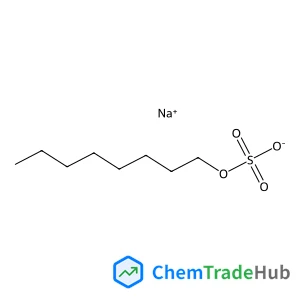
Sodium octyl sulfate(CAS: 142-31-4)
CAS Number
Related Products
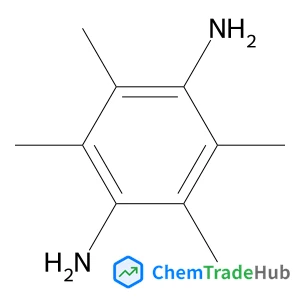
2,3,5,6-Tetramethyl-1,4-benzenediamine
CAS Number: 3102-87-2
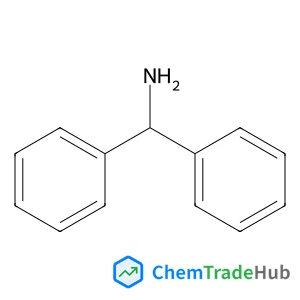
1,1-Diphenylmethanamine
CAS Number: 91-00-9
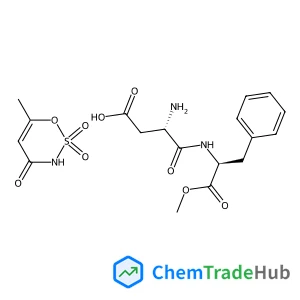

4-fluoro-1,3-dioxolan-2-one
CAS Number: 114435-02-8
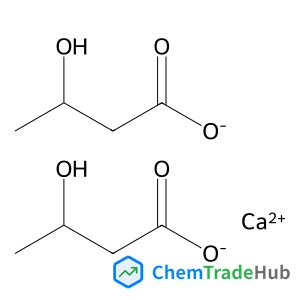
3-Hydroxybutanoic acid calcium salt
CAS Number: 586976-56-9
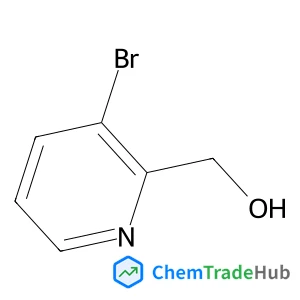
(3-Bromo-2-pyridinyl)methanol
CAS Number: 52378-64-0
Other Suppliers for Sodium octyl sulfate


Basic Information
Molecular Formula
C8H17NaO4S
Molecular Weight
232.27 g/mol
Physical Properties
Melting Point
195 °C (dec.) (lit.)
Boiling Point
No data available
Flash Point
°C
Chemical Identifiers
SMILES
[Na+].CCCCCCCCOS([O-])(=O)=O
InChIKey
WFRKJMRGXGWHBM-UHFFFAOYSA-M
Database References
MDL Number
MFCD00007470
Beilstein Registry Number
3658635
FAQ
Sodium octyl sulfate (CAS: 142-31-4) is regulated under the Globally Harmonized System of Classification and Labeling of Chemicals (GHS), which classifies it as a skin and eye irritant. In the European Union, it falls under the Registration, Evaluation, Authorisation and Restriction of Chemicals (REACH) regulations, requiring manufacturers and importers to register the substance if its production or import exceeds one tonne per year. Additionally, the U.S. Food and Drug Administration (FDA) and the Environmental Protection Agency (EPA) have specific requirements for the use and disposal of this chemical in consumer and industrial products.
Yes, there are alternatives to sodium octyl sulfate (CAS: 142-31-4) in synthesis, such as other surfactants like sodium lauryl sulfate or more environmentally friendly options like cocamidopropyl betaine. These alternatives can vary depending on the specific application and desired properties, but they often offer similar surfactant functionalities with potentially better biodegradability or lower toxicity.
The market for sodium octyl sulfate (CAS: 142-31-4) is stable but evolving, with a focus on sustainable and biodegradable surfactants. Research trends include the development of greener alternatives and the optimization of production methods to reduce environmental impact. The increasing demand for eco-friendly personal care and cleaning products is driving innovation in this area, leading to a shift towards less toxic and more biodegradable compounds.
Waste containing sodium octyl sulfate (CAS: 142-31-4) should be collected in appropriate containers and disposed of according to local regulations. Professional waste disposal services are recommended for larger quantities. For small quantities, neutralizing agents can be used to reduce the pH to a safe level before disposal. It is crucial to follow environmental protection guidelines to minimize the potential for pollution and ensure safe handling and disposal of this chemical waste.
Safety Notice
Please verify product specifications and safety data before use. Contact the supplier for detailed safety information.
Always follow proper handling procedures
Contact Information
Contact Person
Min Huiping
3771156959@qq.com