



AD
8-Hydroxyoctanoic acid(CAS: 764-89-6)
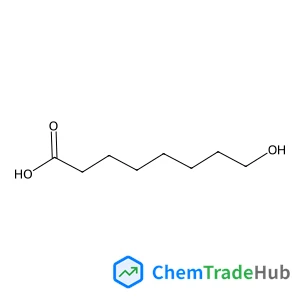
CAS Number
Related Products
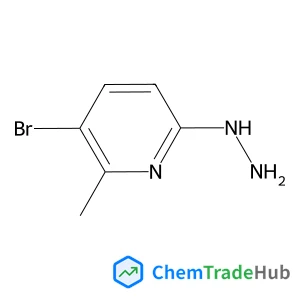
3-Bromo-6-hydrazinyl-2-methylpyridine
CAS Number: 39919-66-9
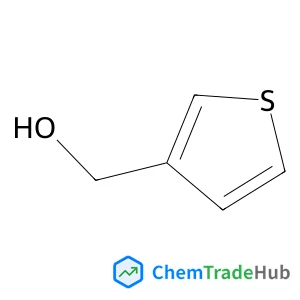
3-Thienylmethanol
CAS Number: 71637-34-8
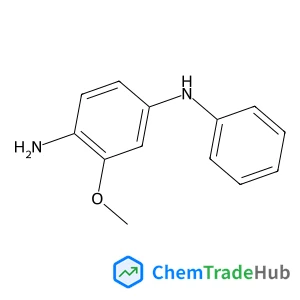
3-Methoxy-N1-phenylbenzene-1,4-diamine
CAS Number: 5840-10-8
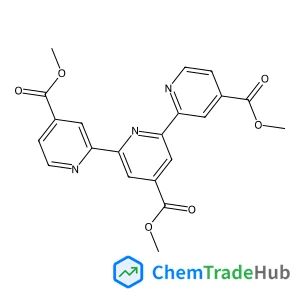
![5-Isoquinolinesulfonamide, N-[2-[[3-(4-bromophenyl)-2-propen-1-yl]amino]ethyl]-](https://static.chemtradehub.com/structs/127/127243-85-0-0f72.webp)
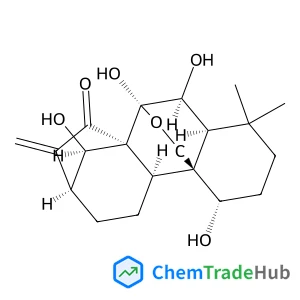
Oridonin
CAS Number: 28957-04-2
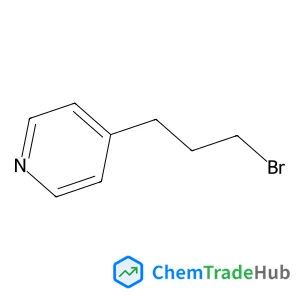
4-(3-Bromopropyl)pyridine
CAS Number: 40337-66-4
Other Suppliers for 8-Hydroxyoctanoic acid




Basic Information
Molecular Formula
C8H16O3
Molecular Weight
160.21 g/mol
Physical Properties
Melting Point
59-63 °C
Boiling Point
130°C/1mm
Density
1.049±0.06 g/cm3 (20 ºC 760 Torr),
Flash Point
148.8°C
Chemical Identifiers
SMILES
C(CCCC(=O)O)CCCO
InChIKey
KDMSVYIHKLZKET-UHFFFAOYSA-N
Database References
MDL Number
MFCD00792446
FAQ
8-Hydroxyoctanoic acid (CAS: 764-89-6) falls under various regulatory guidelines. It is classified under the Globally Harmonized System of Classification and Labeling of Chemicals (GHS), which covers health hazards, environmental hazards, and physical hazards. In the European Union, it is regulated under REACH (Registration, Evaluation, Authorization, and Restriction of Chemicals). For countries with FDA oversight, it is subject to FDA regulations concerning purity and labeling. EPA regulations may also apply for environmental discharge and waste management.
Alternatives to 8-Hydroxyoctanoic acid (CAS: 764-89-6) in synthesis include related carboxylic acids such as 9-hydroxyoctanoic acid and 7-hydroxyoctanoic acid. Isomers and analogs can also be used, such as 8-hydroxypalmitic acid. Common alternative reagents in the synthesis of similar compounds include hydroxybenzoic acids and other hydroxy fatty acids, which can serve as effective substitutes.
The market for 8-Hydroxyoctanoic acid (CAS: 764-89-6) is largely driven by its use in cosmetic and pharmaceutical applications. Research trends indicate growing interest in its potential as a skin conditioning agent and for its anti-inflammatory properties. The trend also includes studies on its role in enhancing skin barrier function and its potential in treating dermatological conditions. Additionally, there is ongoing research into its use as a bioactive compound in functional foods and nutraceuticals.
Waste containing 8-Hydroxyoctanoic acid (CAS: 764-89-6) should be collected in compatible, leak-proof containers and stored in a well-ventilated area. For disposal, it is recommended to use professional waste disposal services that specialize in chemical waste. Incineration is a common method, especially if the waste is hazardous. Environmental protection measures include ensuring that all waste is properly labeled, and adherence to local and national regulations to prevent environmental contamination.
Safety Notice
Please verify product specifications and safety data before use. Contact the supplier for detailed safety information.
Always follow proper handling procedures
Contact Information
2355265332@qq.com