



AD
11,12,13,14-Tetradehydromatridin-15-one(CAS: 6882-66-2)
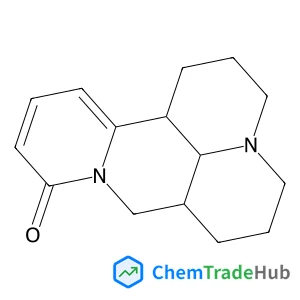
CAS Number
Related Products

Gum tragacanth
CAS Number: 9000-65-1
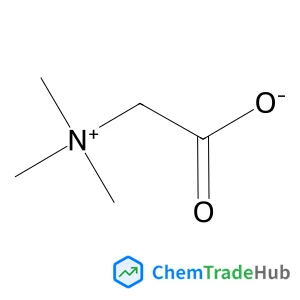
2-(trimethylazaniumyl)acetate
CAS Number: 107-43-7
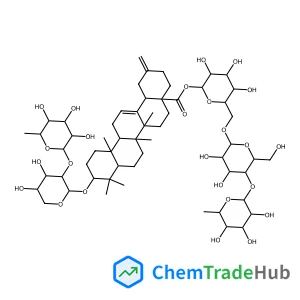
Ciwujianoside B
CAS Number: 114902-16-8
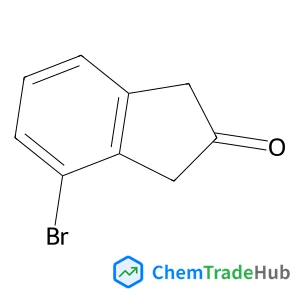
Honeysuckleflowerp.e.
CAS Number: 84603-62-3
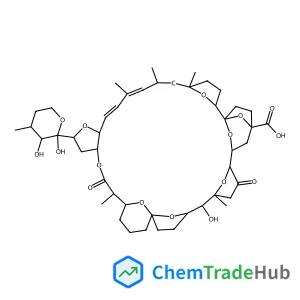
Pectenotoxin 1; 43-Carboxylic acid
CAS Number: 124843-18-1
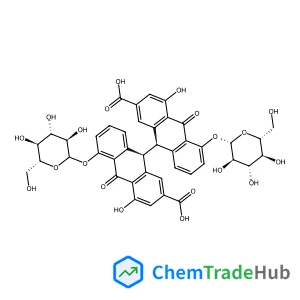
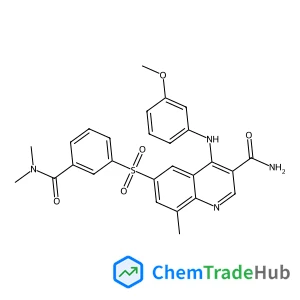
Angelica polyclada tincture
CAS Number: 8016-31-7
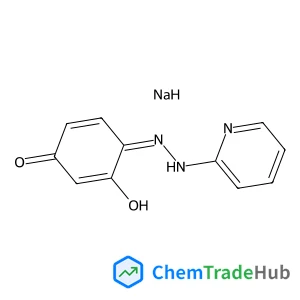
Soybean oil
CAS Number: 8001-22-7
Other Suppliers for 11,12,13,14-Tetradehydromatridin-15-one





Basic Information
Molecular Formula
C15H20N2O
Molecular Weight
244.34 g/mol
Chemical Identifiers
SMILES
C1CC2CN3C(=O)C=CC=C3C4C2N(C1)CCC4
InChIKey
MMCQRJPAMIHLQX-ZOWXZIJZSA-N
Database References
MDL Number
MFCD01632128
FAQ
11,12,13,14-Tetradehydromatridin-15-one (CAS: 6882-66-2) is a crystalline solid with a molecular weight of approximately 332.42 g/mol. It has low solubility in water but is more soluble in organic solvents like ethanol and acetone. Chemically, it is relatively stable but can undergo hydrolysis under basic conditions. It is not reactive under normal conditions but may react with strong acids or bases.
11,12,13,14-Tetradehydromatridin-15-one (CAS: 6882-66-2) can be synthesized via a multi-step process involving the dehydration of matridin followed by a series of reactions such as dehydration and oxidation. Common methods include using acidic catalysts like sulfuric acid and employing stoichiometric amounts to achieve a high yield. The reaction is typically carried out in an inert atmosphere to prevent side reactions.
11,12,13,14-Tetradehydromatridin-15-one (CAS: 6882-66-2) is primarily used in the pharmaceutical and natural product industries. It serves as a precursor for the synthesis of bioactive compounds and has potential applications in the development of new drugs. Additionally, it may be used in the production of natural flavoring agents and as a component in certain chemical processes.
When handling 11,12,13,14-Tetradehydromatridin-15-one (CAS: 6882-66-2), it is essential to use appropriate personal protective equipment (PPE) such as gloves, goggles, and a lab coat. Work in a well-ventilated area or a fume hood to minimize inhalation risks. Spills should be cleaned up immediately using appropriate absorbent materials, and the area should be properly decontaminated. Always refer to the Safety Data Sheet (SDS) for detailed information on handling and storage procedures.
Safety Notice
Please verify product specifications and safety data before use. Contact the supplier for detailed safety information.
Always follow proper handling procedures
Contact Information
470582010@qq.com