



AD
3-Bromo-2-pyridinamine(CAS: 13534-99-1)
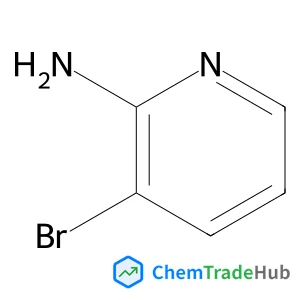
CAS Number
Related Products
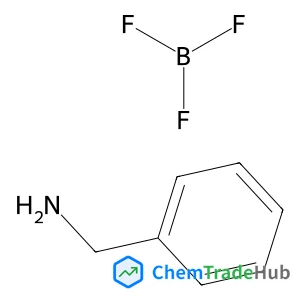
phenylmethanamine;trifluoroborane
CAS Number: 696-99-1
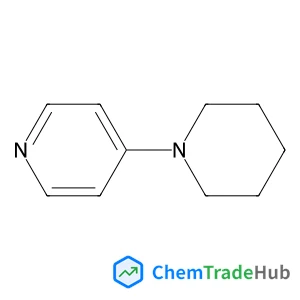
4-(1-Piperidinyl)pyridine
CAS Number: 2767-90-0
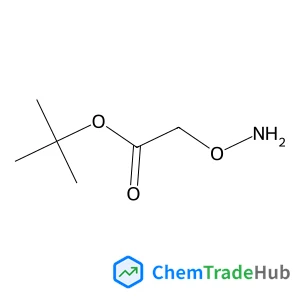
2-Methyl-2-propanyl (aminooxy)acetate
CAS Number: 56834-02-7
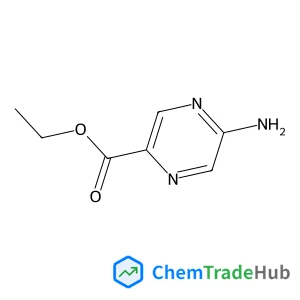
ethyl 5-aminopyrazine-2-carboxylate
CAS Number: 54013-06-8
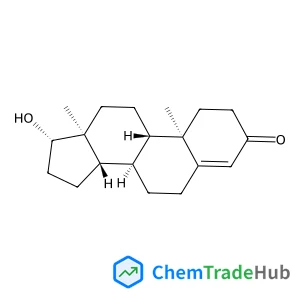
(17beta)-17-Hydroxyandrost-4-en-3-one
CAS Number: 58-22-0
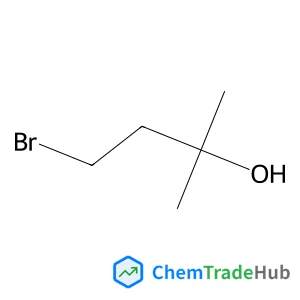
4-Bromo-2-methyl-2-butanol
CAS Number: 35979-69-2
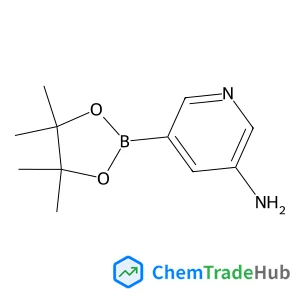
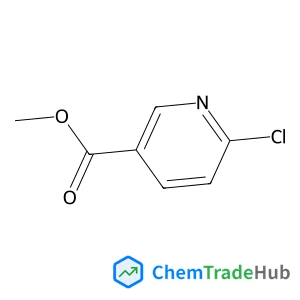
Methyl 6-chloronicotinate
CAS Number: 73781-91-6
Other Suppliers for 3-Bromo-2-pyridinamine






Basic Information
Molecular Formula
C5H5BrN2
Molecular Weight
173.01 g/mol
EINECS
629-620-5
Physical State
Gray to brown
Physical Properties
Melting Point
63-67 °C
Boiling Point
232.0±20.0 °C(Predicted)
Density
1.6065 (rough estimate)
Flash Point
94.1±21.8 °C
Chemical Identifiers
SMILES
C1=CC(=C(N=C1)N)Br
InChIKey
RBCARPJOEUEZLS-UHFFFAOYSA-N
Database References
MDL Number
MFCD03095187
Beilstein Registry Number
109867
FAQ
3-Bromo-2-pyridinamine (CAS: 13534-99-1) is classified as a hazardous chemical under the Globally Harmonized System of Classification and Labeling of Chemicals (GHS). It is subject to the Registration, Evaluation, Authorization, and Restriction of Chemicals (REACH) regulations in the European Union and the Toxic Substances Control Act (TSCA) in the United States. Additionally, it requires registration and handling in accordance with the Environmental Protection Agency (EPA) and the Food and Drug Administration (FDA) guidelines for chemical substances.
Alternatives to 3-Bromo-2-pyridinamine (CAS: 13534-99-1) in synthesis include using other 2-pyridinamines with different functional groups, such as 3-aminopyridine, or exploring other brominated derivatives. Alternative reagents like bromine or brominating agents can be used depending on the specific reaction conditions and desired product.
The research trend for 3-Bromo-2-pyridinamine (CAS: 13534-99-1) is focused on its applications in pharmaceuticals and agrochemicals. Studies are exploring its potential as a precursor for drug synthesis and as an herbicide. Market trends indicate a growing interest in its use due to its unique chemical properties, although its limited availability and handling complexity may limit its widespread adoption.
Waste containing 3-Bromo-2-pyridinamine (CAS: 13534-99-1) should be collected in appropriate containers and stored under controlled conditions to prevent degradation and release of harmful substances. It should be handled by trained personnel and disposed of through professional waste disposal services. Incineration or neutralization followed by safe disposal is recommended to minimize environmental impact.
Safety Notice
Please verify product specifications and safety data before use. Contact the supplier for detailed safety information.
Always follow proper handling procedures
Contact Information
sales@rainbow-chem.com