



AD
2,4-Dibromopyridine(CAS: 58530-53-3)
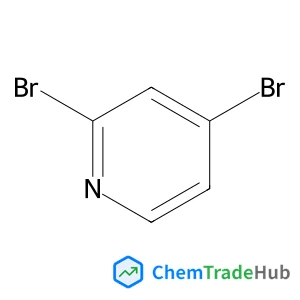
CAS Number
Related Products
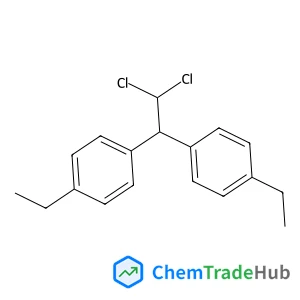
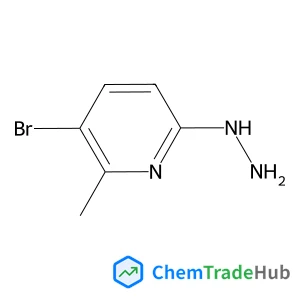
3-Bromo-6-hydrazinyl-2-methylpyridine
CAS Number: 39919-66-9
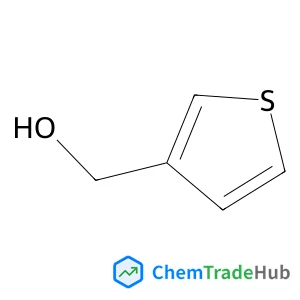
3-Thienylmethanol
CAS Number: 71637-34-8
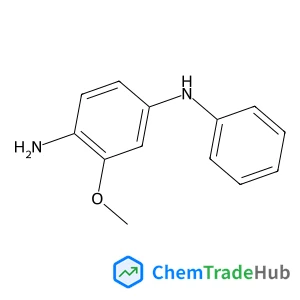
3-Methoxy-N1-phenylbenzene-1,4-diamine
CAS Number: 5840-10-8

![5-Isoquinolinesulfonamide, N-[2-[[3-(4-bromophenyl)-2-propen-1-yl]amino]ethyl]-](https://static.chemtradehub.com/structs/127/127243-85-0-0f72.webp)
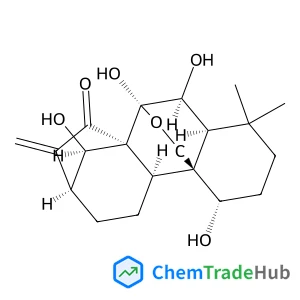
Oridonin
CAS Number: 28957-04-2
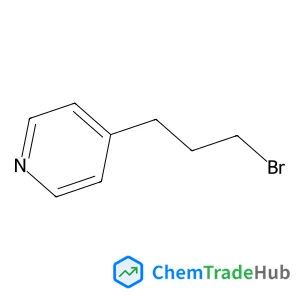
4-(3-Bromopropyl)pyridine
CAS Number: 40337-66-4
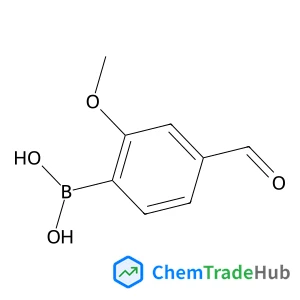
Other Suppliers for 2,4-Dibromopyridine

Basic Information
Molecular Formula
C5H3Br2N
Molecular Weight
236.89 g/mol
Physical State
White to Yellow Solid
Physical Properties
Melting Point
38.0 to 42.0 deg-C
Boiling Point
238°C(lit.)
Density
2.059
Chemical Identifiers
SMILES
C1=CN=C(C=C1Br)Br
InChIKey
PCMMSLVJMKQWMQ-UHFFFAOYSA-N
Database References
MDL Number
MFCD01859720
FAQ
2,4-Dibromopyridine (CAS: 58530-53-3) is regulated under the Globally Harmonized System of Classification and Labelling of Chemicals (GHS), which includes health, environmental, and physical hazards. It falls under REACH regulations in the European Union, requiring manufacturers and importers to register substances above a certain tonnage. Additionally, the U.S. FDA and EPA have specific requirements for the handling and reporting of hazardous chemicals, including the documentation of storage, use, and disposal.
There are alternatives to 2,4-Dibromopyridine (CAS: 58530-53-3) in synthesis, such as 2-bromopyridine and 4-bromopyridine, which can be used as precursors or directly in the reaction. Other substitutes include bromine-containing analogs like 2-bromo-4-iodopyridine, providing flexibility in synthetic approaches depending on the desired properties and reactivity.
The market for 2,4-Dibromopyridine (CAS: 58530-53-3) is growing due to its applications in pharmaceuticals, agrichemicals, and dye synthesis. Research trends indicate an increasing focus on its use in the development of new drugs and crop protection chemicals. The trend towards sustainable and environmentally friendly products is also driving innovation in the synthesis and use of this compound.
Waste containing 2,4-Dibromopyridine (CAS: 58530-53-3) should be collected in appropriate containers and stored separately to prevent contamination. The waste should be incinerated or handled by a professional waste disposal service in compliance with local regulations. Environmental precautions include ensuring that the waste is not released into the environment and that all safety protocols are followed to protect personnel and the environment.
Safety Notice
Please verify product specifications and safety data before use. Contact the supplier for detailed safety information.
Always follow proper handling procedures
Contact Information
2355265332@qq.com