



AD
Retinal(CAS: 116-31-4)
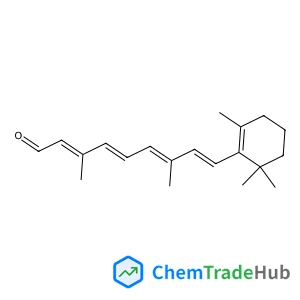
CAS Number
Related Products
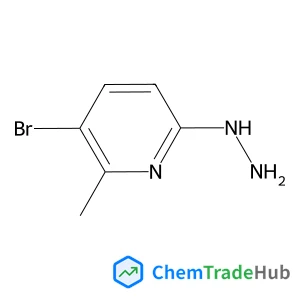
3-Bromo-6-hydrazinyl-2-methylpyridine
CAS Number: 39919-66-9
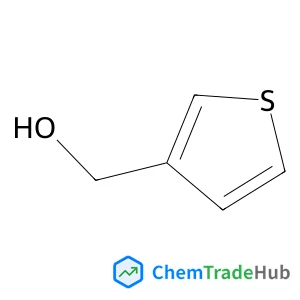
3-Thienylmethanol
CAS Number: 71637-34-8
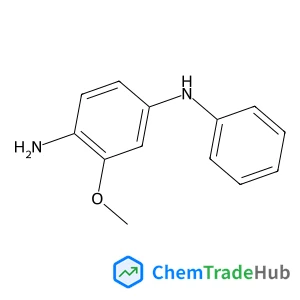
3-Methoxy-N1-phenylbenzene-1,4-diamine
CAS Number: 5840-10-8
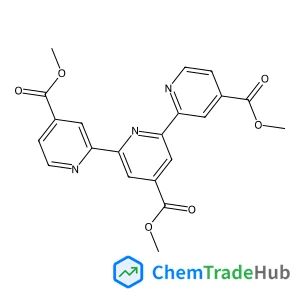
![5-Isoquinolinesulfonamide, N-[2-[[3-(4-bromophenyl)-2-propen-1-yl]amino]ethyl]-](https://static.chemtradehub.com/structs/127/127243-85-0-0f72.webp)
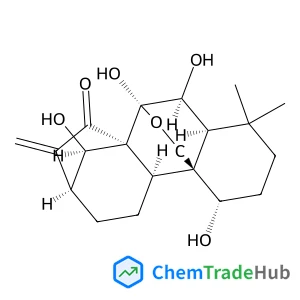
Oridonin
CAS Number: 28957-04-2
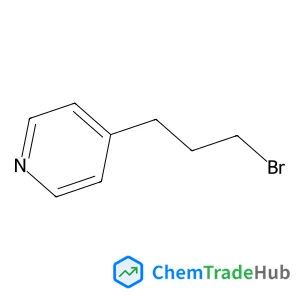
4-(3-Bromopropyl)pyridine
CAS Number: 40337-66-4
Other Suppliers for Retinal



Basic Information
Molecular Formula
C20H28O
Molecular Weight
284.44 g/mol
Physical Properties
Melting Point
61-63°C
Boiling Point
421.4°C at 760 mmHg
Flash Point
205.4±12.4 °C
Chemical Identifiers
SMILES
O=C/C=C(/C=C/C=C(/C=C/C1=C(C)CCCC1(C)C)\C)\C
InChIKey
NCYCYZXNIZJOKI-OVSJKPMPSA-N
Database References
MDL Number
MFCD00001550
Beilstein Registry Number
1914183
FAQ
Retinal (CAS: 116-31-4) is regulated under the Globally Harmonized System of Classification and Labeling of Chemicals (GHS) as a Category 3 sensitizer. In the European Union, Retinal falls under the Registration, Evaluation, Authorization, and Restriction of Chemicals (REACH) regulations. Additionally, the U.S. Food and Drug Administration (FDA) and Environmental Protection Agency (EPA) have specific requirements for the handling and use of Retinal in pharmaceutical and industrial applications.
Alternatives to Retinal (CAS: 116-31-4) in synthesis include related retinoids such as all-trans retinoic acid and 9-cis retinoic acid. These can be used as substitutes in various chemical reactions due to their similar structural characteristics and reactivity. Other common reagents like β-ionone can also serve as alternatives depending on the specific application.
The market for Retinal (CAS: 116-31-4) is driven by its applications in pharmaceuticals, particularly in ophthalmology for treating retinal disorders. Research trends focus on understanding its role in vision and its potential in gene therapy and neurodegenerative diseases. The market is expected to grow due to increasing demand and novel therapeutic applications.
Waste containing Retinal (CAS: 116-31-4) should be collected in appropriate containers and disposed of through professional waste disposal services. Incineration may be necessary for complete destruction. Environmental precautions include minimizing exposure and ensuring the waste is not released into the environment. Compliance with local and international regulations is essential to ensure safe handling and disposal.
Safety Notice
Please verify product specifications and safety data before use. Contact the supplier for detailed safety information.
Always follow proper handling procedures
Contact Information
2355265332@qq.com