



AD
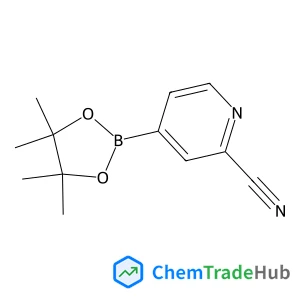
4-(4,4,5,5-Tetramethyl-1,3,2-dioxaborolan-2-yl)-2-pyridinecarbonitrile(CAS: 741709-62-6)
CAS Number
Related Products
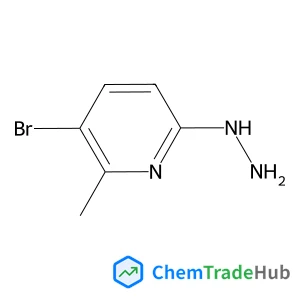
3-Bromo-6-hydrazinyl-2-methylpyridine
CAS Number: 39919-66-9
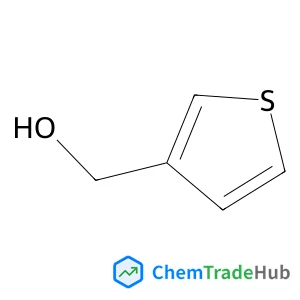
3-Thienylmethanol
CAS Number: 71637-34-8
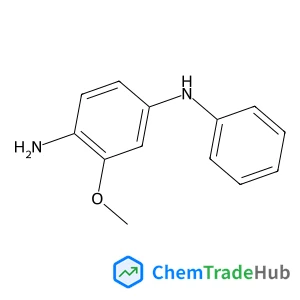
3-Methoxy-N1-phenylbenzene-1,4-diamine
CAS Number: 5840-10-8
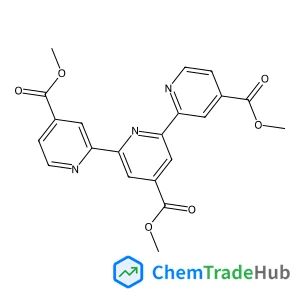
![5-Isoquinolinesulfonamide, N-[2-[[3-(4-bromophenyl)-2-propen-1-yl]amino]ethyl]-](https://static.chemtradehub.com/structs/127/127243-85-0-0f72.webp)
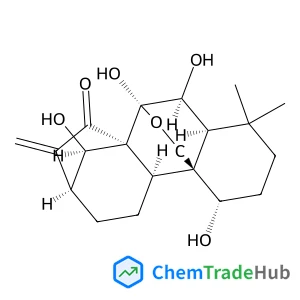
Oridonin
CAS Number: 28957-04-2
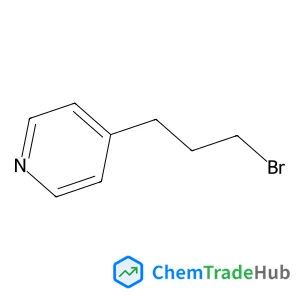
4-(3-Bromopropyl)pyridine
CAS Number: 40337-66-4
Other Suppliers for 4-(4,4,5,5-Tetramethyl-1,3,2-dioxaborolan-2-yl)-2-pyridinecarbonitrile






Basic Information
Molecular Formula
C12H15BN2O2
Molecular Weight
230.07 g/mol
Physical Properties
Melting Point
60-61℃
Boiling Point
365.6±27.0°C at 760 mmHg
Density
1.10
Flash Point
175℃
Chemical Identifiers
SMILES
B1(OC(C(O1)(C)C)(C)C)C2=CC(=NC=C2)C#N
InChIKey
SARWEPUHGNIVNJ-UHFFFAOYSA-N
Database References
MDL Number
MFCD09607734
FAQ
This compound is subject to the REACH regulations in the European Union, which require registration of substances above a certain tonnage threshold. It may also fall under the scope of the Globally Harmonized System of Classification and Labelling of Chemicals (GHS), which includes health, environmental, and physical hazard classifications. Additionally, the Food and Drug Administration (FDA) and Environmental Protection Agency (EPA) may have specific requirements and classifications for this compound, especially if it is used in pharmaceutical or pesticide applications.
There are several alternatives to this compound that can be used in synthesis, including other pyridine carbonitriles or dioxaborolanes. 2-Pyridinecarbonitrile and 4,4,4-trifluorobutyl-1,3,2-dioxaborolane are commonly used as precursors or intermediates in similar reactions. These alternatives can offer similar reactivity and functional group compatibility, making them suitable for various synthetic routes.
Currently, the market for this compound is growing due to its applications in organic synthesis, particularly in the preparation of boron-containing compounds and chiral molecules. Research trends are focusing on developing more efficient and scalable synthetic methods as well as exploring its use in pharmaceuticals and materials science. The compound's unique structure may lead to further discoveries in catalysis and medicinal chemistry.
Waste containing this compound should be collected in appropriate containers and handled according to local regulations. Incineration is a common method for disposal, but it should be conducted in a specialized facility to prevent environmental contamination. Alternatively, professional waste disposal services can manage the waste through chemical treatment or other environmentally friendly methods. Proper precautions include ensuring the waste is neutralized and packaged in a manner that prevents spills or leaks during transport.
Safety Notice
Please verify product specifications and safety data before use. Contact the supplier for detailed safety information.
Always follow proper handling procedures
Contact Information
2355265332@qq.com