



AD
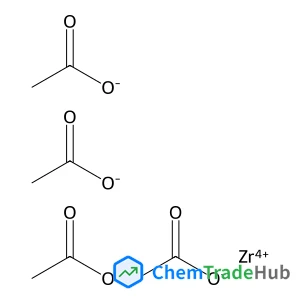
Zirconium(2+) diacetate(CAS: 7585-20-8)
CAS Number
Related Products
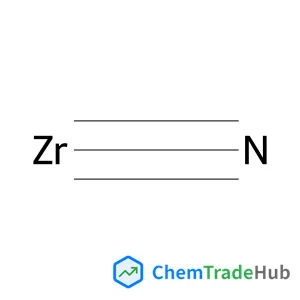
Nitridozirconium
CAS Number: 25658-42-8
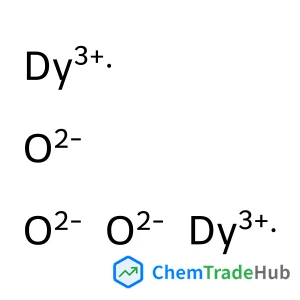
oxo(oxodysprosiooxy)dysprosium
CAS Number: 1308-87-8
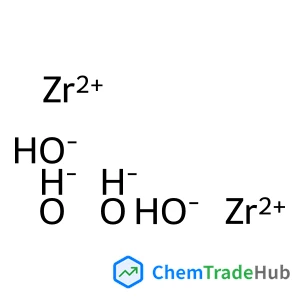
Zirconium(2+) hydroxide (1:2)
CAS Number: 14475-63-9
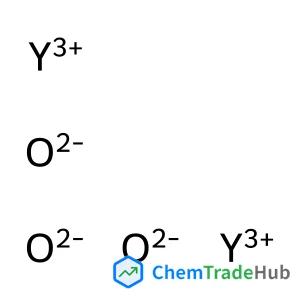
oxo(oxoyttriooxy)yttrium
CAS Number: 1314-36-9
![Calcium 3-hydroxy-4-[(E)-(1-sulfonato-2-naphthyl)diazenyl]-2-naphthoate](https://static.chemtradehub.com/structs/641/6417-83-0-1789.webp)
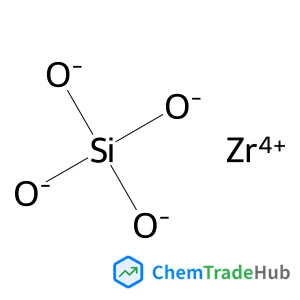
Zirconium(4+) orthosilicate
CAS Number: 10101-52-7
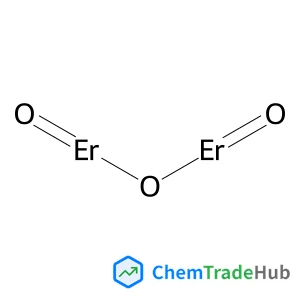
oxo(oxoerbiooxy)erbium
CAS Number: 12061-16-4

Praseodymium trifluoride
CAS Number: 13709-46-1
Zirconium dioxide
CAS Number: 1314-23-4
Other Suppliers for Zirconium(2+) diacetate




Basic Information
Molecular Formula
C4H6O4Zr
Molecular Weight
327.4 g/mol
Physical Properties
Density
1.279 g/mL at 25 °C
Chemical Identifiers
SMILES
CC(=O)[O-].CC(=O)[O-].CC(=O)[O-].CC(=O)[O-].[Zr+4]
InChIKey
JINJMFAIGCWUDW-UHFFFAOYSA-L
Database References
MDL Number
MFCD00054410
FAQ
Zirconium(2+) diacetate is a chemical compound with the formula Zr(CH3COO)2. It is a white crystalline solid that is soluble in water and organic solvents. This compound is commonly used in various chemical processes due to its reactivity and ability to act as a catalyst or reagent. Its properties include moderate thermal stability and a tendency to hydrolyze in humid conditions.
Zirconium(2+) diacetate is primarily used in pharmaceuticals as a catalyst in drug synthesis. It also finds applications in industrial processes, such as in the production of ceramics and glass. In research, it is used in analytical chemistry for metal ion detection. Additionally, it may be employed in food-related applications as a stabilizer, though its use is typically limited to specific regulatory-approved contexts.
Zirconium(2+) diacetate is generally considered safe when handled properly, but it may cause skin and eye irritation. It is important to follow safety protocols, such as using gloves and protective eyewear, and to ensure proper ventilation. Safety standards for this compound are typically outlined in chemical safety data sheets (SDS) and should be followed to minimize exposure risks.
Zirconium(2+) diacetate should be stored in a cool, dry place away from moisture and direct light. It is best kept in a sealed, airtight container to maintain its stability. Avoid exposure to humid environments as it may hydrolyze. Storage conditions should be controlled to prevent degradation and ensure long-term usability.
Safety Notice
Please verify product specifications and safety data before use. Contact the supplier for detailed safety information.
Always follow proper handling procedures