



AD
(4-Isopropenyltricyclo[6.2.1.0~2,6~]undec-7-yl)methanol - acetic acid (1:1)(CAS: 7138-34-3)
![(4-Isopropenyltricyclo[6.2.1.0~2,6~]undec-7-yl)methanol - acetic acid (1:1)](https://static.chemtradehub.com/structs/713/7138-34-3-d14a.webp "(4-Isopropenyltricyclo[6.2.1.0~2,6~]undec-7-yl)methanol - acetic acid (1:1)")
CAS Number
Related Products
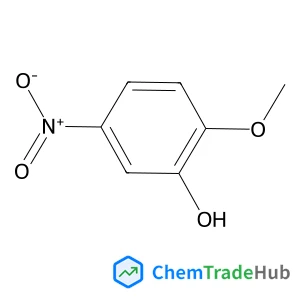
2-Methoxy-5-nitrophenol
CAS Number: 636-93-1
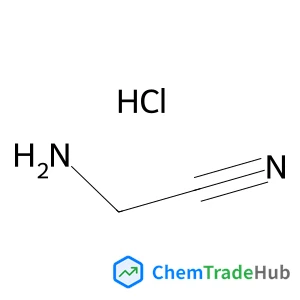
2-Aminoacetonitrile hydrochloride
CAS Number: 6011-14-9
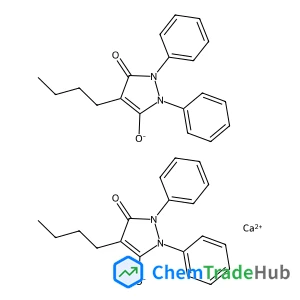
Phenylbutazonecalcium
CAS Number: 70145-60-7
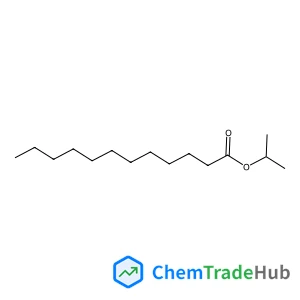
Isopropyl laurate
CAS Number: 10233-13-3
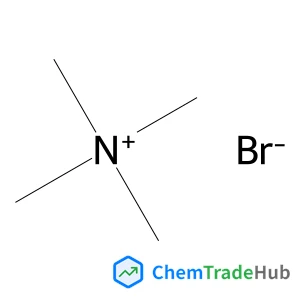
Tetramethylammonium Bromide
CAS Number: 64-20-0
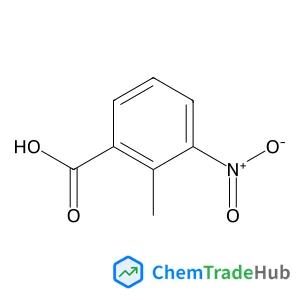
2-Methyl-3-nitrobenzoic acid
CAS Number: 1975-50-4
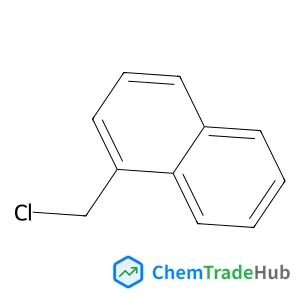
1-(Chloromethyl)naphthalene
CAS Number: 86-52-2
Other Suppliers for (4-Isopropenyltricyclo[6.2.1.0~2,6~]undec-7-yl)methanol - acetic acid (1:1)
![(4-Isopropenyltricyclo[6.2.1.0~2,6~]undec-7-yl)methanol - acetic acid (1:1) — Jin Jinle (Hunan) Chemical Co., Ltd.](https://static.chemtradehub.com/suppliers/67ce76192b2de6e8e95a464e/67ce76192b2de6e8e95a464e-logo.webp)
![(4-Isopropenyltricyclo[6.2.1.0~2,6~]undec-7-yl)methanol - acetic acid (1:1) — Shandong Dexin Fine Chemical Co., Ltd.](https://static.chemtradehub.com/suppliers/67cdd21457537e5c8069ad57/67cdd21457537e5c8069ad57-logo.webp)
Basic Information
Molecular Formula
C17H28O3
Molecular Weight
280.41 g/mol
Physical Properties
Melting Point
114-118 °C
Chemical Identifiers
SMILES
C1=CC(=CC=C1C(C(=O)O)O)Cl
InChIKey
SFHDLGBLPRIVJI-UHFFFAOYSA-N
Database References
MDL Number
MFCD00042724
FAQ
This compound (CAS: 7138-34-3) falls under the scope of the REACH regulations in the EU, requiring registration if manufactured or imported in quantities above 1 ton per year. It must also comply with the GHS classification for hazardous substances, which may include health and environmental hazards. In the US, it should follow the FDA's Generally Resolved as Safe (GRAS) status for food contact substances or EPA regulations for industrial use. Always consult the current regulatory databases for the most up-to-date requirements.
Alternatives to (4-Isopropenyltricyclo[6.2.1.0~2,6~]undec-7-yl)methanol - acetic acid (1:1) (CAS: 7138-34-3) in synthesis include similar compounds with similar functional groups, such as other esters or alcohols. Common substitutes include isopropyl alcohol and acetic anhydride, depending on the specific reaction conditions and desired product properties.
Currently, the market for (4-Isopropenyltricyclo[6.2.1.0~2,6~]undec-7-yl)methanol - acetic acid (1:1) (CAS: 7138-34-3) is growing due to its applications in pharmaceuticals, coatings, and adhesives. Research trends are focusing on its use in developing new drug formulations and improving the sustainability of industrial processes. The compound is also being explored for its potential in green chemistry initiatives.
Waste containing (4-Isopropenyltricyclo[6.2.1.0~2,6~]undec-7-yl)methanol - acetic acid (1:1) (CAS: 7138-34-3) should be collected in proper containers and disposed of through professional waste disposal services. Incineration is a viable option, but environmental protection measures must be taken to prevent air pollution. Alternatively, chemical treatment or biological degradation methods can be used for waste minimization and recycling, ensuring compliance with local environmental regulations.
Safety Notice
Please verify product specifications and safety data before use. Contact the supplier for detailed safety information.
Always follow proper handling procedures
Contact Information
2862161303@qq.com