



AD
4-(4-Chloro-2-methylphenoxy)butanoic acid(CAS: 94-81-5)
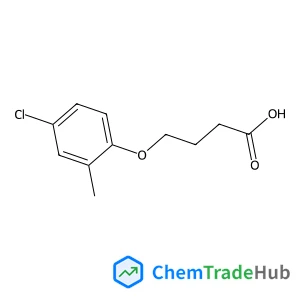
CAS Number
Related Products

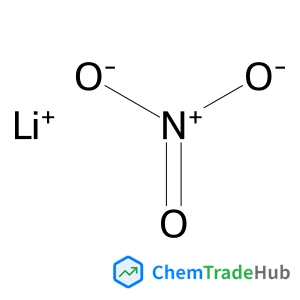
Lithium nitrate
CAS Number: 7790-69-4
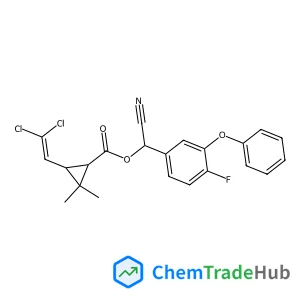
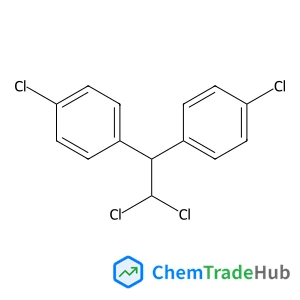
![1-Chloro-2-[2,2,2-trichloro-1-(4-chlorophenyl)ethyl]benzene](https://static.chemtradehub.com/structs/789/789-02-6-b26f.webp)
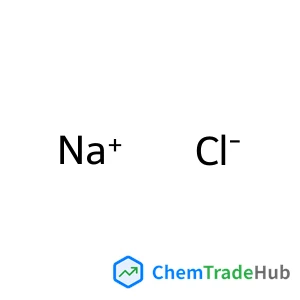
Sodium chloride
CAS Number: 7647-14-5
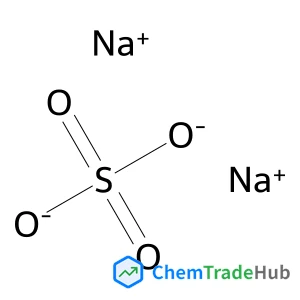
Sodium Sulfate
CAS Number: 7757-82-6
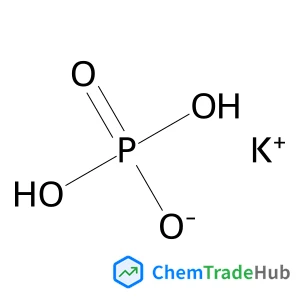
Potassium dihydrogen phosphate
CAS Number: 7778-77-0
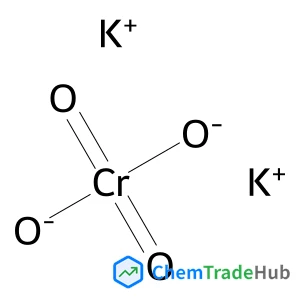
Dipotassium dioxido(dioxo)chromium
CAS Number: 7789-00-6
Other Suppliers for 4-(4-Chloro-2-methylphenoxy)butanoic acid





Basic Information
Molecular Formula
C11H13ClO3
Molecular Weight
228.67 g/mol
Physical Properties
Melting Point
101-102 ºC (ligroine )
Boiling Point
327.31°C (rough estimate)
Density
1.230±0.06 g/cm3 (20 ºC 760 Torr),
Flash Point
191.5°C
Chemical Identifiers
SMILES
Cc1cc(ccc1OCCCC(=O)O)Cl
InChIKey
LLWADFLAOKUBDR-UHFFFAOYSA-N
Database References
MDL Number
MFCD00002820
FAQ
4-(4-Chloro-2-methylphenoxy)butanoic acid (CAS: 94-81-5) is subject to various regulatory guidelines. It falls under the GHS (Globally Harmonized System of Classification and Labelling of Chemicals) for classification as a toxic substance. In the EU, it is regulated under REACH (Registration, Evaluation, Authorisation and Restriction of Chemicals). Additionally, it is subject to FDA and EPA regulations in the United States, including reporting requirements and safety data sheets (SDS).
There are alternatives to 4-(4-Chloro-2-methylphenoxy)butanoic acid (CAS: 94-81-5) in synthesis. Common alternatives include 4-(4-Chloro-2-methylphenoxy)butan-1-ol and 4-(4-Chloro-2-methylphenoxy)butanoyl chloride. These alternatives can be used as precursors or as the final product, depending on the specific application.
The market for 4-(4-Chloro-2-methylphenoxy)butanoic acid (CAS: 94-81-5) is driven by its applications in pharmaceuticals and agrochemicals. Recent research trends focus on the development of new derivatives and improved synthesis methods. The market is expected to grow due to increasing demand for active pharmaceutical ingredients (APIs) and crop protection chemicals.
Waste containing 4-(4-Chloro-2-methylphenoxy)butanoic acid (CAS: 94-81-5) should be managed according to hazardous waste disposal regulations. Collection and transfer should be done in sealed containers, and disposal should be handled by a licensed waste management company. Environmental protection measures include proper storage, avoidance of direct contact with water bodies, and adherence to local disposal guidelines. Incineration is also a common method for safe disposal of this waste.
Safety Notice
Please verify product specifications and safety data before use. Contact the supplier for detailed safety information.
Always follow proper handling procedures
Contact Information
shanpel@anpel.com.cn