



AD
N-Dodecanoyl-L-alanine(CAS: 52558-74-4)
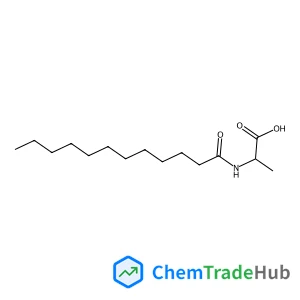
CAS Number
Related Products
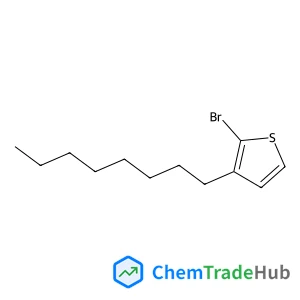
2-Bromo-3-octylthiophene
CAS Number: 145543-83-5
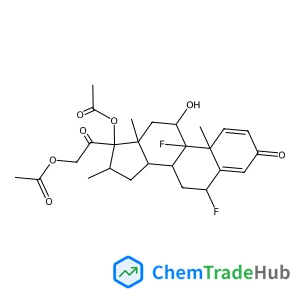
Diflorasone diacetate
CAS Number: 33564-31-7
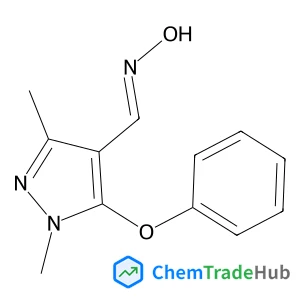
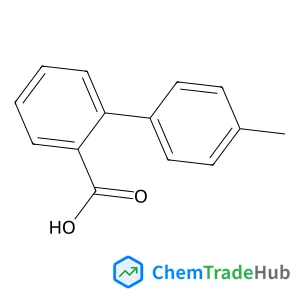
4'-Methyl-2-biphenylcarboxylic acid
CAS Number: 7148-03-0
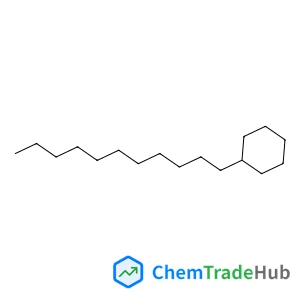
Undecylcyclohexane
CAS Number: 54105-66-7
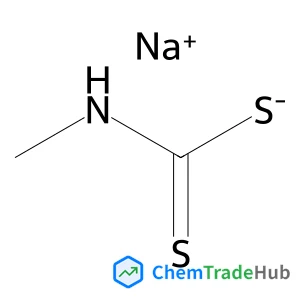
Metam Sodium
CAS Number: 137-42-8
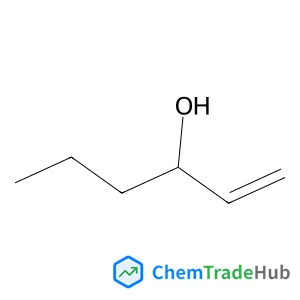
1-Hexen-3-ol
CAS Number: 4798-44-1
![(2S)-Amino[(5S)-3-chloro-4,5-dihydro-1,2-oxazol-5-yl]acetic acid](https://static.chemtradehub.com/structs/422/42228-92-2-8448.webp)
Other Suppliers for N-Dodecanoyl-L-alanine








Basic Information
Molecular Formula
C15H29NO3
Molecular Weight
271.4 g/mol
Physical Properties
Density
0.979
Chemical Identifiers
SMILES
CCCCCCCCCCCC(=O)NC(C)C(=O)O
InChIKey
UYTOHYBIBPDOKX-ZDUSSCGKSA-N
Database References
MDL Number
MFCD00216726
FAQ
N-Dodecanoyl-L-alanine (CAS: 52558-74-4) falls under the purview of various regulatory guidelines such as the Globally Harmonized System of Classification and Labelling of Chemicals (GHS), REACH regulations in the EU, and FDA/EPA related requirements. GHS categorizes it based on its physical and health hazards, while REACH requires detailed documentation of its properties and uses. FDA and EPA may have specific labeling and reporting requirements depending on its intended use and manufacturing process.
Alternatives to N-Dodecanoyl-L-alanine (CAS: 52558-74-4) in synthesis might include other amino acid derivatives or fatty acid analogs, such as N-undecanoyl-L-alanine or N-myristoyl-L-alanine, which can serve similar functions in certain applications. These alternatives often differ in their physical properties and may require different synthesis methods, but they can offer similar biological activities depending on the intended use.
N-Dodecanoyl-L-alanine (CAS: 52558-74-4) is gaining attention in the market and research for its potential in pharmaceuticals and cosmetics due to its antimicrobial and skin conditioning properties. Recent trends indicate increased interest in natural and biocompatible compounds, making N-dodecanoyl-L-alanine a promising candidate for further exploration. Market demand is expected to grow, driven by the need for effective and less toxic alternatives in the personal care and health sectors.
Waste containing N-Dodecanoyl-L-alanine (CAS: 52558-74-4) should be managed according to local and national regulations. Generally, it should be collected in appropriate containers and disposed of through incineration or professional waste disposal services. Environmental protection precautions include ensuring no spillage and proper labeling of waste containers. It is also advisable to consult with local authorities or waste management experts for specific guidance on handling and disposing of this chemical waste safely and efficiently.
Safety Notice
Please verify product specifications and safety data before use. Contact the supplier for detailed safety information.
Always follow proper handling procedures
Contact Information
Contact Person
Jiang Kun
1273554466@qq.com