



AD
L-LYSINE ACETATE SALT(CAS: 52315-92-1)
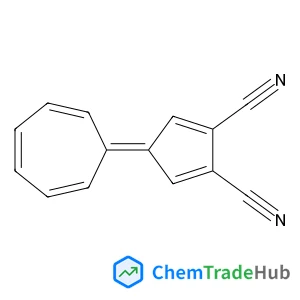
CAS Number
Related Products
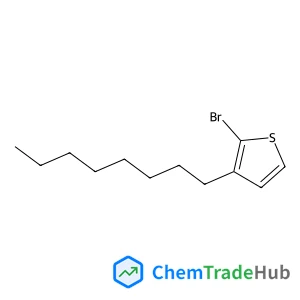
2-Bromo-3-octylthiophene
CAS Number: 145543-83-5
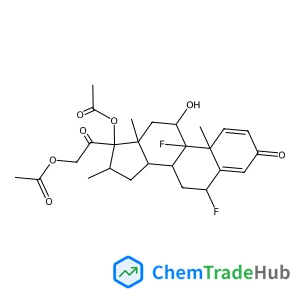
Diflorasone diacetate
CAS Number: 33564-31-7
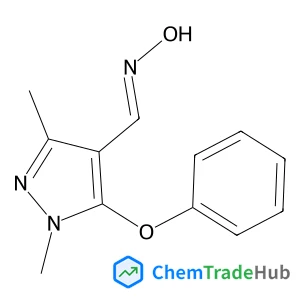
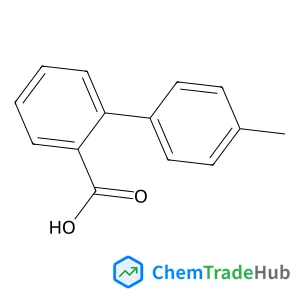
4'-Methyl-2-biphenylcarboxylic acid
CAS Number: 7148-03-0
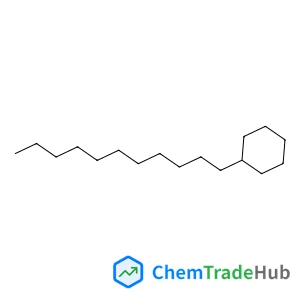
Undecylcyclohexane
CAS Number: 54105-66-7
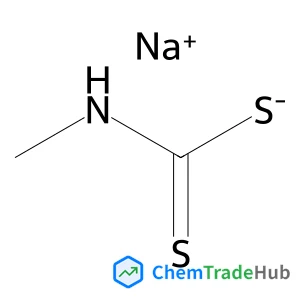
Metam Sodium
CAS Number: 137-42-8
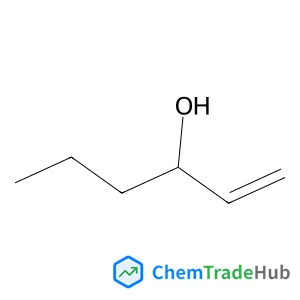
1-Hexen-3-ol
CAS Number: 4798-44-1
![(2S)-Amino[(5S)-3-chloro-4,5-dihydro-1,2-oxazol-5-yl]acetic acid](https://static.chemtradehub.com/structs/422/42228-92-2-8448.webp)
Other Suppliers for L-LYSINE ACETATE SALT






Basic Information
Molecular Formula
C14H8N2
Molecular Weight
204.23 g/mol
EINECS
260-664-4
Physical Properties
Boiling Point
399.0±22.0 °C(Predicted)
Density
1.20±0.1 g/cm3(Predicted)
Chemical Identifiers
SMILES
N#CC1=C/C(=C\2/C=CC=CC=C2)/C=C1C#N
InChIKey
QGZKDVFQNNGYKY-UHFFFAOYSA-N
Database References
MDL Number
MFCD23701485
FAQ
L-Lysine Acetate Salt (CAS: 52315-92-1) is subject to various regulatory guidelines, including GHS classification which categorizes it based on its physical and health hazards. In the EU, it falls under REACH regulations, requiring manufacturers and importers to register and classify the substance. Additionally, FDA and EPA regulations apply in the United States, focusing on food and environmental safety, respectively. Compliance with these guidelines ensures safe handling and use in various industries.
Alternatives to L-Lysine Acetate Salt (CAS: 52315-92-1) in synthesis include other amino acid acetates such as L-arginine acetate and L-ornithine acetate. These can be used as substitutes depending on the specific reaction conditions. Additionally, free amino acids like L-lysine or other salts such as L-lysine hydrochloride can serve as alternatives in certain applications. The choice of alternative depends on the desired end product and the specific requirements of the synthesis process.
The market for L-Lysine Acetate Salt (CAS: 52315-92-1) is growing due to its applications in pharmaceuticals, animal feed, and biotechnology. Research trends indicate increasing interest in its use as a nutritional supplement and in the development of new pharmaceutical formulations. Price trends suggest stability with slight increases due to demand, and emerging research fields include its role in gene expression and metabolic pathways, driving further interest in its properties and applications.
Waste containing L-Lysine Acetate Salt (CAS: 52315-92-1) should be collected in appropriate, labeled containers and stored in a secure area away from incompatible materials. Proper waste disposal methods include incineration or professional waste disposal services. Environmental precautions include ensuring no release into natural water bodies and following local and national waste management regulations. Safe handling practices and protective equipment are essential to prevent exposure and environmental contamination.
Safety Notice
Please verify product specifications and safety data before use. Contact the supplier for detailed safety information.
Always follow proper handling procedures
Contact Information
Contact Person
Jiang Kun
1273554466@qq.com