



AD
4-{[4-(Dimethylamino)phenyl](phenyl)methylene}-N,N-dimethyl-2,5-cyclohexadien-1-iminium chloride(CAS: 14426-28-9)
methylene}-N,N-dimethyl-2,5-cyclohexadien-1-iminium chloride](https://static.chemtradehub.com/structs/144/14426-28-9-d889.webp "4-{[4-(Dimethylamino)phenyl](phenyl)methylene}-N,N-dimethyl-2,5-cyclohexadien-1-iminium chloride")
CAS Number
Related Products

Atorvastatin Impurity 103
CAS Number: 30414-54-1
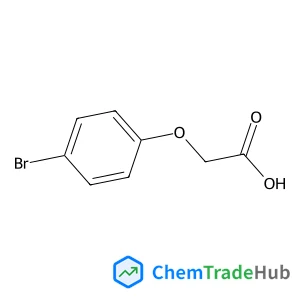
(4-Bromophenoxy)acetic acid
CAS Number: 1878-91-7
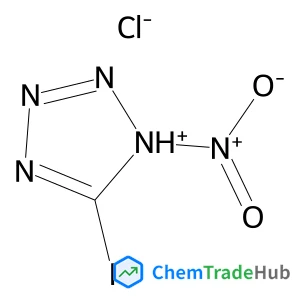

Silver Sulfate
CAS Number: 10294-26-5

2,6-Dibromonaphthalene
CAS Number: 13720-06-4

2,5-Dichlorobenzonitrile
CAS Number: 21663-61-6

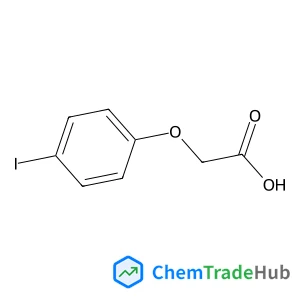
(4-Iodophenoxy)acetic acid
CAS Number: 1878-94-0
![1-[2-(1-Azocanyl)ethyl]guanidine sulfate (1:1)](https://static.chemtradehub.com/structs/645/645-43-2-650e.webp)
Other Suppliers for 4-{[4-(Dimethylamino)phenyl](phenyl)methylene}-N,N-dimethyl-2,5-cyclohexadien-1-iminium chloride
methylene}-N,N-dimethyl-2,5-cyclohexadien-1-iminium chloride — HuBeiYongKuo Technology Co Ltd](https://static.chemtradehub.com/suppliers/67cecc092b2de6e8e95a5bbd/67cecc092b2de6e8e95a5bbd-logo.webp)
methylene}-N,N-dimethyl-2,5-cyclohexadien-1-iminium chloride — HuBeiBaiDuHuaXue Co Ltd](https://static.chemtradehub.com/suppliers/67cecc6f2b2de6e8e95a5cbe/67cecc6f2b2de6e8e95a5cbe-logo.webp)
Basic Information
Molecular Formula
C23H25ClN2
Molecular Weight
329.46 g/mol
Chemical Identifiers
SMILES
CN(C)c1ccc(cc1)C(=C2C=CC(=[N+](C)C)C=C2)c3ccccc3.[Cl-]
InChIKey
FDZZZRQASAIRJF-UHFFFAOYSA-M
Database References
MDL Number
MFCD00011751
FAQ
4-{[4-(Dimethylamino)phenyl](phenyl)methylene}-N,N-dimethyl-2,5-cyclohexadien-1-iminium chloride is a crystalline compound with a molecular weight of approximately 400 g/mol. It has a pKa of around 2.5 and is moderately soluble in organic solvents like ethanol and acetone but poorly soluble in water. This compound is highly reactive towards nucleophiles and can undergo electrophilic aromatic substitution reactions.
4-{[4-(Dimethylamino)phenyl](phenyl)methylene}-N,N-dimethyl-2,5-cyclohexadien-1-iminium chloride is typically synthesized via the condensation of 4-(dimethylamino)benzaldehyde with 1,3-cyclohexadiene. This reaction is conducted under mild conditions, often using a Lewis acid catalyst such as aluminum chloride. The yield is generally high, and the product is isolated by recrystallization from a suitable solvent.
4-{[4-(Dimethylamino)phenyl](phenyl)methylene}-N,N-dimethyl-2,5-cyclohexadien-1-iminium chloride is used in the pharmaceutical industry for the synthesis of certain medicinal compounds. It also has applications in the polymer industry for the modification of polymer properties. Additionally, it can be used in sensor technologies for detecting specific chemical species and in semiconductor manufacturing for etching processes.
When handling 4-{[4-(Dimethylamino)phenyl](phenyl)methylene}-N,N-dimethyl-2,5-cyclohexadien-1-iminium chloride, use appropriate personal protective equipment (PPE) including gloves, goggles, and lab coat. Ensure the work is conducted in a well-ventilated area or a fume hood to avoid inhalation. Spills should be cleaned up with appropriate absorbent materials and disposed of according to local regulations. Refer to the Safety Data Sheet (SDS) for specific handling and disposal instructions.
Safety Notice
Please verify product specifications and safety data before use. Contact the supplier for detailed safety information.
Always follow proper handling procedures
Contact Information
2189484023@qq.com