



AD
WZ4002(CAS: 1213269-23-8)
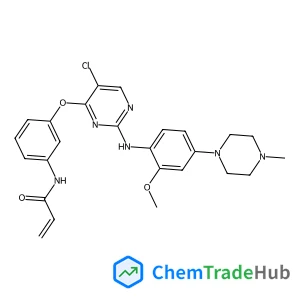
CAS Number
Related Products
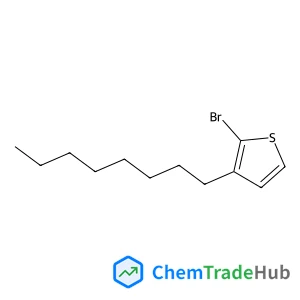
2-Bromo-3-octylthiophene
CAS Number: 145543-83-5

Diflorasone diacetate
CAS Number: 33564-31-7
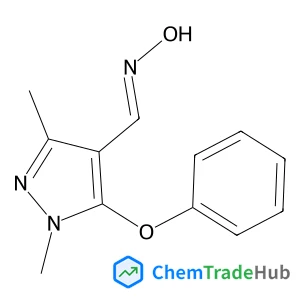

4'-Methyl-2-biphenylcarboxylic acid
CAS Number: 7148-03-0
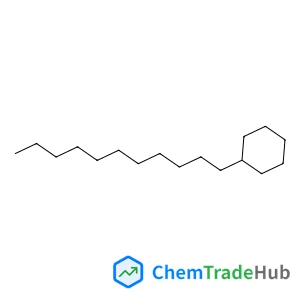
Undecylcyclohexane
CAS Number: 54105-66-7
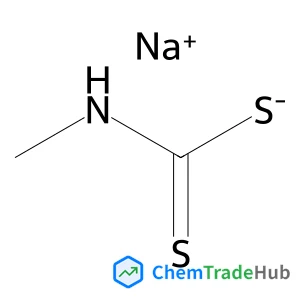
Metam Sodium
CAS Number: 137-42-8

1-Hexen-3-ol
CAS Number: 4798-44-1
![(2S)-Amino[(5S)-3-chloro-4,5-dihydro-1,2-oxazol-5-yl]acetic acid](https://static.chemtradehub.com/structs/422/42228-92-2-8448.webp)
Other Suppliers for WZ4002






Basic Information
Molecular Formula
C25H27ClN6O3
Molecular Weight
494.98 g/mol
Chemical Identifiers
SMILES
C=CC(=O)Nc1cccc(c1)Oc1nc(ncc1Cl)Nc1ccc(cc1OC)N1CCN(CC1)C
InChIKey
ITTRLTNMFYIYPA-UHFFFAOYSA-N
Database References
MDL Number
MFCD16621244
FAQ
WZ4002 (CAS: 1213269-23-8) is subject to regulatory guidelines under the Globally Harmonized System of Classification and Labelling of Chemicals (GHS), which includes classification for physical hazards, health hazards, and environmental hazards. Additionally, it must comply with REACH regulations in the European Union, which require registration, evaluation, authorization, and restriction of chemical substances. In the United States, it is subject to FDA regulations for pharmaceuticals and EPA regulations for environmental protection.
There are several alternatives to WZ4002 (CAS: 1213269-23-8) in synthesis, including isomers and analogs such as WZ4001 and WZ4003, which may offer similar properties but with different physical and chemical characteristics. Common alternative reagents include other small molecules with similar functional groups, which can reduce the complexity and cost of the synthesis process.
The market for WZ4002 (CAS: 1213269-23-8) is growing due to its potential applications in drug development and chemical research. Recent studies focus on its use as a lead compound in the development of new drugs for various diseases. The trend indicates increasing research into its synthesis and modification to improve its efficacy and reduce side effects. Market demand is also influenced by the rising need for innovative chemical products in pharmaceutical and biotech industries.
Waste containing WZ4002 (CAS: 1213269-23-8) should be collected in appropriate containers lined with impermeable materials. The waste should then be disposed of through professional waste disposal services that are equipped to handle hazardous chemicals. Incineration is often used for the disposal of such waste under controlled conditions to minimize environmental impact. Environmental protection measures include ensuring that no hazardous substances are released into the air, water, or soil during the disposal process, and adhering to local and national regulations regarding chemical waste management.
Safety Notice
Please verify product specifications and safety data before use. Contact the supplier for detailed safety information.
Always follow proper handling procedures
Contact Information
Contact Person
Jiang Kun
1273554466@qq.com