



AD
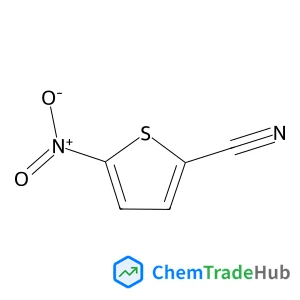
5-Nitro-2-thiophenecarbonitrile(CAS: 16689-02-4)
CAS Number
Related Products
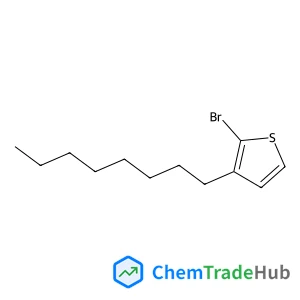
2-Bromo-3-octylthiophene
CAS Number: 145543-83-5

Diflorasone diacetate
CAS Number: 33564-31-7
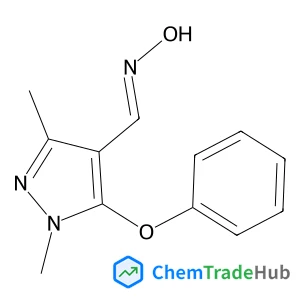

4'-Methyl-2-biphenylcarboxylic acid
CAS Number: 7148-03-0
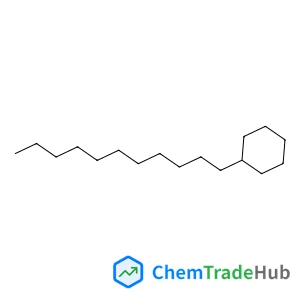
Undecylcyclohexane
CAS Number: 54105-66-7
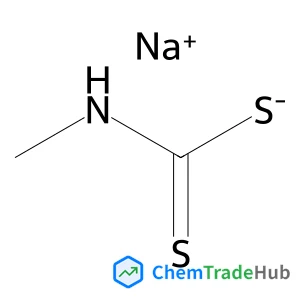
Metam Sodium
CAS Number: 137-42-8

1-Hexen-3-ol
CAS Number: 4798-44-1
![(2S)-Amino[(5S)-3-chloro-4,5-dihydro-1,2-oxazol-5-yl]acetic acid](https://static.chemtradehub.com/structs/422/42228-92-2-8448.webp)
Other Suppliers for 5-Nitro-2-thiophenecarbonitrile


Basic Information
Molecular Formula
C5H2N2O2S
Molecular Weight
154.15 g/mol
Physical Properties
Melting Point
42-46 °C
Boiling Point
273.9°Cat760mmHg
Density
1.5
Flash Point
119.4℃
Chemical Identifiers
SMILES
C1=C(SC(=C1)[N+](=O)[O-])C#N
InChIKey
FLYONFCGDKAMIH-UHFFFAOYSA-N
Database References
MDL Number
MFCD00052401
Beilstein Registry Number
123934
FAQ
5-Nitro-2-thiophenecarbonitrile (CAS: 16689-02-4) falls under the regulatory framework of the REACH regulations in the EU, and GHS (Globally Harmonized System) classification applies for workplace and environmental safety. In the US, the FDA and EPA have specific requirements for handling and storage, particularly concerning its classification as a hazardous substance due to its chemical properties.
While 5-Nitro-2-thiophenecarbonitrile (CAS: 16689-02-4) is a specific compound, there are similar thiophene derivatives that can serve as alternatives, such as 2-thiophenecarbonitrile, or other nitriles with different substituents. These alternatives can be used in various synthetic pathways depending on the desired outcome and specific application.
The market trend for 5-Nitro-2-thiophenecarbonitrile (CAS: 16689-02-4) is influenced by its use in pharmaceuticals and as an intermediate in organic synthesis. Research trends show increasing interest in its application for developing new drug molecules and advanced materials. However, due to its toxicity, safety concerns, and environmental impact, there is also a growing focus on environmentally friendly alternatives and safer handling methods.
Waste containing 5-Nitro-2-thiophenecarbonitrile (CAS: 16689-02-4) should be collected and stored in a sealed container, away from sources of ignition. Incineration is a common disposal method, but it must be conducted under controlled conditions to prevent the release of hazardous fumes. Alternatively, professional waste disposal services can ensure safe and compliant disposal. Proper environmental protection measures, including spill containment and proper labeling, are essential to minimize environmental impact.
Safety Notice
Please verify product specifications and safety data before use. Contact the supplier for detailed safety information.
Always follow proper handling procedures
Contact Information
Contact Person
Jiang Kun
1273554466@qq.com