



AD
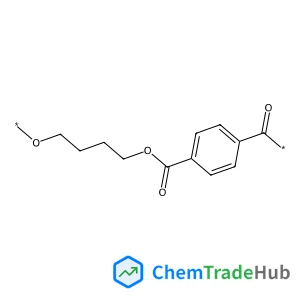
POLY(1,4-BUTYLENE TEREPHTHALATE)(CAS: 24968-12-5)
CAS Number
Related Products
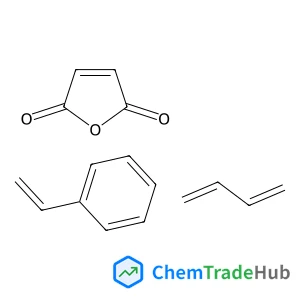
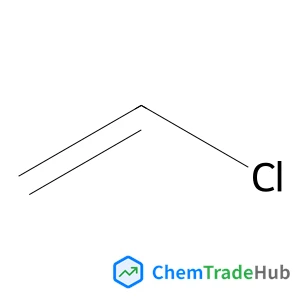
Polyvinyl chloride(PVC)
CAS Number: 9002-86-2
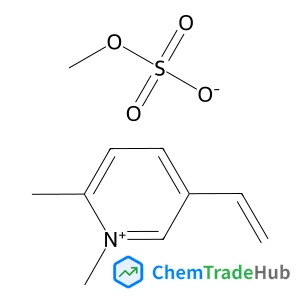
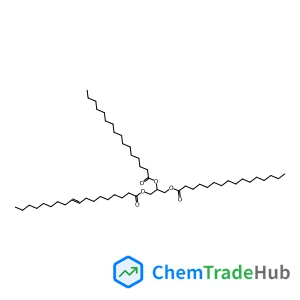
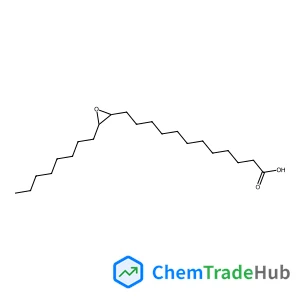
cis-13,14-Epoxydocosanoic acid
CAS Number: 9003-07-0
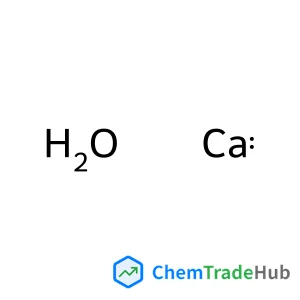
Calcium Oxide
CAS Number: 1305-78-8
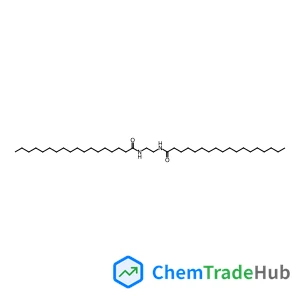
N,N'-1,2-Ethanediyldioctadecanamide
CAS Number: 110-30-5
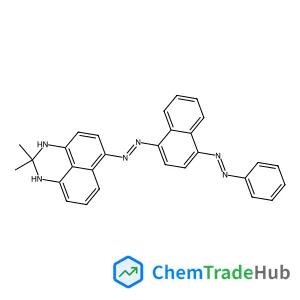
Sudan Black
CAS Number: 4197-25-5
![4-[2-(4-Hydroxyphenyl)-2-propanyl]phenyl hydrogen carbonate](https://static.chemtradehub.com/structs/250/25037-45-0-d839.webp)
Other Suppliers for POLY(1,4-BUTYLENE TEREPHTHALATE)


Basic Information
Molecular Formula
(C12H12O4)n
Molecular Weight
220.22 g/mol
Physical Properties
Melting Point
225 °C
Density
1.31 g/mL at 25 °C(lit.)
Chemical Identifiers
SMILES
O([*])CCCCOC(C1C=CC(C([*])=O)=CC=1)=O |$;*;;;;;;;;;;;;*;;;;$|
FAQ
POLY(1,4-BUTYLENE TEREPHTHALATE) (CAS: 24968-12-5) falls under the GHS classification as a non-flammable solid. It is regulated under the REACH regulations in the EU, which require manufacturers to register and manage the safety data sheet. In the USA, the FDA may require registration for use in food contact materials. EPA regulations may also apply for environmental protection, particularly during waste disposal and manufacturing processes.
Alternatives to POLY(1,4-BUTYLENE TEREPHTHALATE) (CAS: 24968-12-5) include other polyesters such as polyethylene terephthalate (PET) and polyethylene naphthalate (PEN). Isomers like 1,2-butanediol terephthalate can also be considered, and alternative monomers like 1,4-cyclohexanedimethanol can be used in copolymers to achieve different properties.
The market for POLY(1,4-BUTYLENE TEREPHTHALATE) (CAS: 24968-12-5) is growing due to its high performance in various applications, such as packaging and textiles. Research trends focus on sustainable production methods and improving mechanical properties. Emerging trends include the development of biodegradable variants and the use of recycled materials, driven by eco-friendly demands and sustainability goals.
Waste containing POLY(1,4-BUTYLENE TEREPHTHALATE) (CAS: 24968-12-5) should be collected in appropriate containers and disposed of through professional recycling or incineration facilities. Precautions include minimizing dust and ensuring proper ventilation to avoid inhalation. Environmental protection measures include monitoring for potential leaching and safe disposal in accordance with local regulations and waste management guidelines.
Safety Notice
Please verify product specifications and safety data before use. Contact the supplier for detailed safety information.
Always follow proper handling procedures
Contact Information
Contact Person
Li Sheng
13532699133@163.com