



AD
Dimethylcarbamic chloride(CAS: 79-44-7)
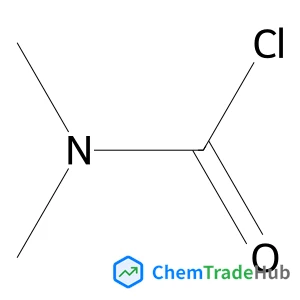
CAS Number
Related Products
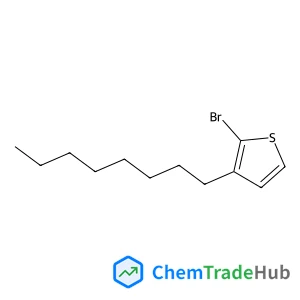
2-Bromo-3-octylthiophene
CAS Number: 145543-83-5
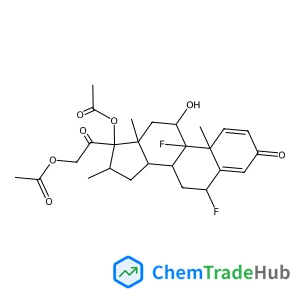
Diflorasone diacetate
CAS Number: 33564-31-7
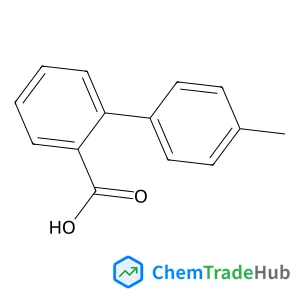
4'-Methyl-2-biphenylcarboxylic acid
CAS Number: 7148-03-0
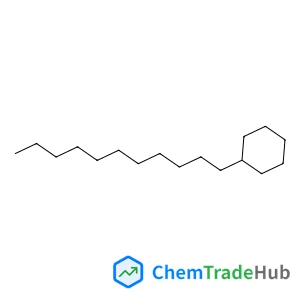
Undecylcyclohexane
CAS Number: 54105-66-7
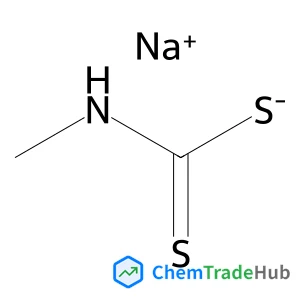
Metam Sodium
CAS Number: 137-42-8
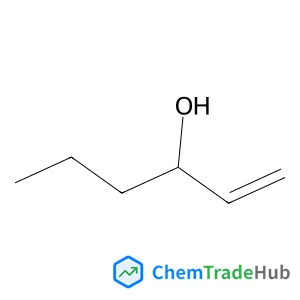
1-Hexen-3-ol
CAS Number: 4798-44-1
![(2S)-Amino[(5S)-3-chloro-4,5-dihydro-1,2-oxazol-5-yl]acetic acid](https://static.chemtradehub.com/structs/422/42228-92-2-8448.webp)
Other Suppliers for Dimethylcarbamic chloride


Basic Information
Molecular Formula
C3H6ClNO
Molecular Weight
107.54 g/mol
Physical Properties
Melting Point
−33 °C (lit.)
Boiling Point
167-168 °C/775 mmHg(lit.)
Density
1.168 g/mL at 25 °C(lit.)
Chemical Identifiers
SMILES
CN(C)C(=O)Cl
InChIKey
YIIMEMSDCNDGTB-UHFFFAOYSA-N
Database References
MDL Number
MFCD00000635
Beilstein Registry Number
878197
FAQ
Dimethylcarbamic chloride (CAS: 79-44-7) is regulated under various guidelines such as GHS (Global Harmonized System of Classification and Labeling of Chemicals) for classification and labeling, REACH (Registration, Evaluation, Authorisation and Restriction of Chemicals) for registration and safety of chemical substances in the European Union, and FDA (Food and Drug Administration) and EPA (Environmental Protection Agency) requirements for use in the United States, particularly regarding its handling and disposal to ensure environmental safety.
Yes, there are alternatives to Dimethylcarbamic chloride (CAS: 79-44-7) in synthesis, such as dimethylamine or methyl isocyanate. These alternatives can be used depending on the specific requirements of the synthesis process, offering similar functionality but with different chemical characteristics and potential safety profiles.
The market for Dimethylcarbamic chloride (CAS: 79-44-7) is influenced by its applications in chemical manufacturing and pharmaceuticals. Recent research trends focus on its synthesis and use in the development of new pesticides and as a key intermediate in the production of various organic compounds. Market dynamics reflect a balance between its utility and regulatory challenges.
Waste containing Dimethylcarbamic chloride (CAS: 79-44-7) should be handled according to specific hazardous waste regulations. Collection should occur in designated containers, and the waste should be disposed of by professional waste disposal services. Incineration or chemical treatment may be necessary to ensure environmental safety, in compliance with local environmental protection laws and guidelines.
Safety Notice
Please verify product specifications and safety data before use. Contact the supplier for detailed safety information.
Always follow proper handling procedures
Contact Information
Contact Person
Jiang Kun
1273554466@qq.com