



AD
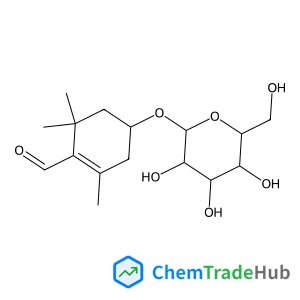
(1R)-4-Formyl-3,5,5-trimethyl-3-cyclohexen-1-yl beta-D-glucopyranoside(CAS: 138-55-6)
CAS Number
Related Products
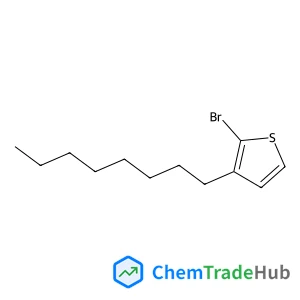
2-Bromo-3-octylthiophene
CAS Number: 145543-83-5
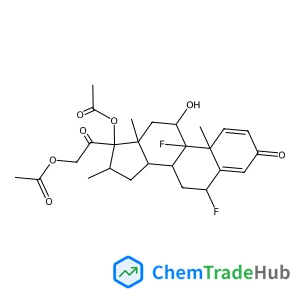
Diflorasone diacetate
CAS Number: 33564-31-7
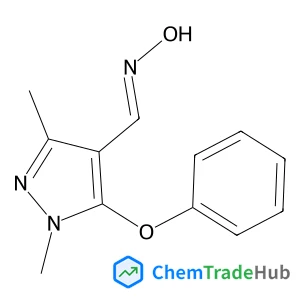
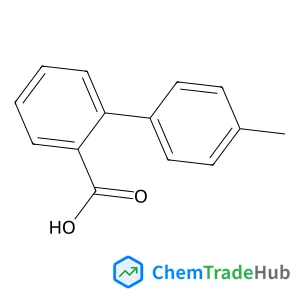
4'-Methyl-2-biphenylcarboxylic acid
CAS Number: 7148-03-0
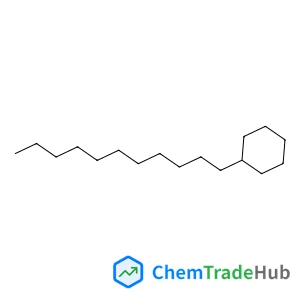
Undecylcyclohexane
CAS Number: 54105-66-7
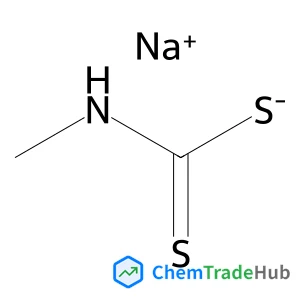
Metam Sodium
CAS Number: 137-42-8
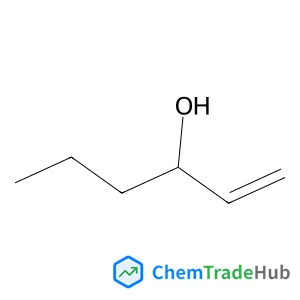
1-Hexen-3-ol
CAS Number: 4798-44-1
![(2S)-Amino[(5S)-3-chloro-4,5-dihydro-1,2-oxazol-5-yl]acetic acid](https://static.chemtradehub.com/structs/422/42228-92-2-8448.webp)
Other Suppliers for (1R)-4-Formyl-3,5,5-trimethyl-3-cyclohexen-1-yl beta-D-glucopyranoside




Basic Information
Molecular Formula
C16H26O7
Molecular Weight
330.38 g/mol
Physical Properties
Melting Point
196 ºC (ethyl acetate )
Chemical Identifiers
SMILES
CC1=C(C(CC(C1)OC2C(C(C(C(O2)CO)O)O)O)(C)C)C=O
InChIKey
WMHJCSAICLADIN-WYWSWGBSSA-N
Database References
MDL Number
MFCD09752814
FAQ
The compound (1R)-4-Formyl-3,5,5-trimethyl-3-cyclohexen-1-yl beta-D-glucopyranoside (CAS: 138-55-6) is subject to various regulatory guidelines. It should comply with the Globally Harmonized System of Classification and Labelling of Chemicals (GHS), REACH regulations in the European Union, and FDA/EPA requirements for chemical substances and their use. Manufacturers and users must ensure that the compound is handled in accordance with these guidelines to avoid potential health and environmental risks.
Yes, there are alternatives to (1R)-4-Formyl-3,5,5-trimethyl-3-cyclohexen-1-yl beta-D-glucopyranoside (CAS: 138-55-6) in synthesis. Common alternatives include similar glucopyranoside derivatives with different substituents, such as (1R)-4-acetoxy-3,5,5-trimethyl-3-cyclohexen-1-yl beta-D-glucopyranoside. These alternatives can provide similar functionalities with potentially different reactivity and applications.
The market trend for (1R)-4-Formyl-3,5,5-trimethyl-3-cyclohexen-1-yl beta-D-glucopyranoside (CAS: 138-55-6) is driven by increasing interest in natural product chemistry and glycoside research. Recent studies focus on its applications in pharmaceuticals, food additives, and bioactive compounds. Research trends indicate a growing emphasis on understanding the biological activity and potential therapeutic uses of this compound.
Waste containing (1R)-4-Formyl-3,5,5-trimethyl-3-cyclohexen-1-yl beta-D-glucopyranoside (CAS: 138-55-6) should be handled according to local and national regulations. Typically, waste liquid should be collected in appropriate containers, labeled with the chemical name and CAS number, and disposed of through a certified hazardous waste disposal service. Incineration or professional waste disposal methods are preferred to ensure environmental safety and compliance with regulations.
Safety Notice
Please verify product specifications and safety data before use. Contact the supplier for detailed safety information.
Always follow proper handling procedures
Contact Information
Contact Person
Jiang Kun
1273554466@qq.com