



AD
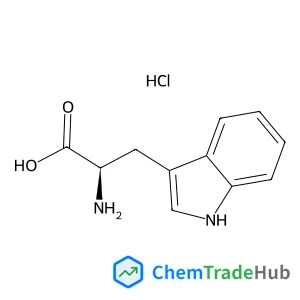
D-tryptophan hydrochloride(CAS: 36760-44-8)
CAS Number
Related Products
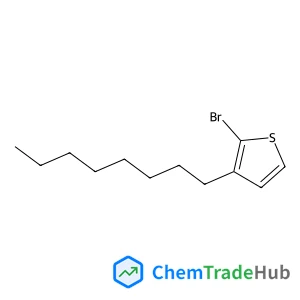
2-Bromo-3-octylthiophene
CAS Number: 145543-83-5
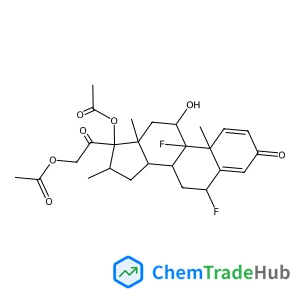
Diflorasone diacetate
CAS Number: 33564-31-7
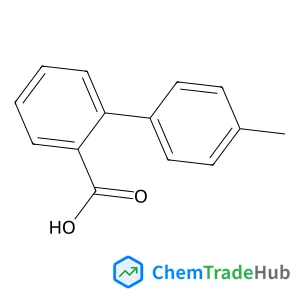
4'-Methyl-2-biphenylcarboxylic acid
CAS Number: 7148-03-0
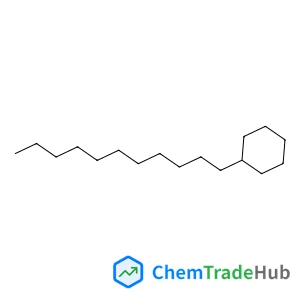
Undecylcyclohexane
CAS Number: 54105-66-7
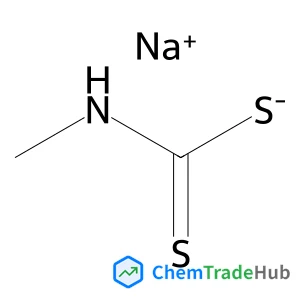
Metam Sodium
CAS Number: 137-42-8
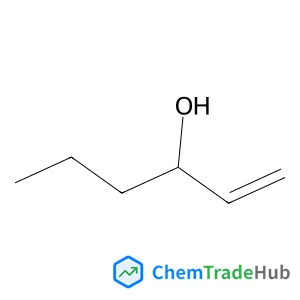
1-Hexen-3-ol
CAS Number: 4798-44-1
![(2S)-Amino[(5S)-3-chloro-4,5-dihydro-1,2-oxazol-5-yl]acetic acid](https://static.chemtradehub.com/structs/422/42228-92-2-8448.webp)
Other Suppliers for D-tryptophan hydrochloride


Basic Information
Molecular Formula
C11H13ClN2O2
Molecular Weight
240.69 g/mol
Chemical Identifiers
SMILES
N[C@H](CC1=CNC2=CC=CC=C12)C(O)=O.[H]Cl
InChIKey
GTVXHTBGOYJORD-SBSPUUFOSA-N
Database References
MDL Number
MFCD18910600
FAQ
D-tryptophan hydrochloride (CAS: 36760-44-8) falls under the regulatory guidelines of the Globally Harmonized System of Classification and Labelling of Chemicals (GHS) with specific hazard classification for skin and eye irritation. It is also subject to the European Chemicals Agency's (ECHA) REACH regulations for identification, assessment, and authorization of chemicals. In the USA, it must comply with FDA and EPA regulations regarding the labeling and handling of chemical substances.
In synthesis, D-tryptophan hydrochloride (CAS: 36760-44-8) can be replaced by its enantiomer L-tryptophan or by other amino acids such as D-tyrosine. These alternatives can be used based on the specific requirements of the reaction. Commonly, D-tryptophan is synthesized from its precursor D-tryptophanase or through fermentation processes.
The market for D-tryptophan hydrochloride (CAS: 36760-44-8) shows steady growth due to its application in dietary supplements, feed additives, and pharmaceuticals. Research trends are focusing on its role in improving brain health, mood regulation, and as a precursor in biosynthesis of tryptophan-related compounds. Recent studies are also exploring its potential as an adjunct therapy in treating depression and anxiety.
Waste containing D-tryptophan hydrochloride (CAS: 36760-44-8) should be collected in appropriate containers and disposed of through professional waste disposal services, as it may be hazardous due to its potential for skin and eye irritation. Incineration is a common method for disposal, but it should be conducted in compliance with local environmental regulations. Protective measures such as gloves, goggles, and a lab coat should be worn during handling to prevent exposure.
Safety Notice
Please verify product specifications and safety data before use. Contact the supplier for detailed safety information.
Always follow proper handling procedures
Contact Information
Contact Person
Jiang Kun
1273554466@qq.com