



AD
1-(2-Bromoacetoxy)-2,5-pyrrolidinedione(CAS: 42014-51-7)
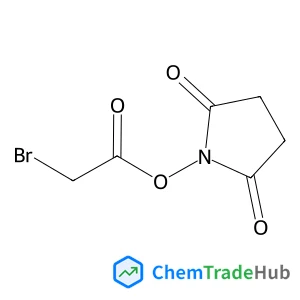
CAS Number
Related Products
![3-[4-Fluoro-2-(trifluoromethyl)phenyl]propanoic acid](https://static.chemtradehub.com/structs/916/916420-73-0-ee37.webp)
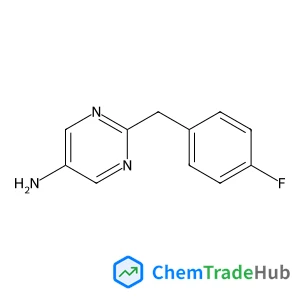
2-(4-Fluorobenzyl)-5-pyrimidinamine
CAS Number: 1152557-45-3
![Methyl [4-cyano-3-(3-thienyl)-1H-pyrazol-1-yl]acetate](https://static.chemtradehub.com/structs/209/2098083-01-1-68bf.webp)
![3-[4-Cyclopentyl-5-(methylsulfanyl)-4H-1,2,4-triazol-3-yl]-1-propanamine hydroiodide (1:1)](https://static.chemtradehub.com/structs/119/1197609-28-1-10f2.webp)
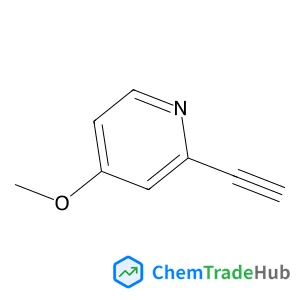
2-Ethynyl-4-methoxypyridine
CAS Number: 1211533-95-7
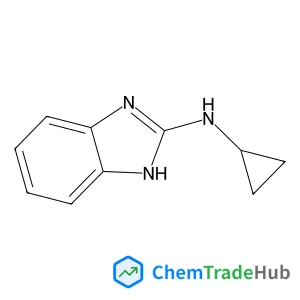
N-Cyclopropyl-1H-benzimidazol-2-amine
CAS Number: 941266-08-6
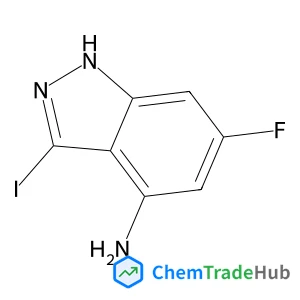
4-AMINO-6-FLUORO-3-IODO (1H)INDAZOLE
CAS Number: 885523-02-4
Other Suppliers for 1-(2-Bromoacetoxy)-2,5-pyrrolidinedione







Basic Information
Molecular Formula
C6H6BrNO4
Molecular Weight
236.02 g/mol
Physical Properties
Melting Point
110.0 to 118.0 deg-C
Boiling Point
291.7±42.0℃ at 760 mmHg
Density
1.85
Flash Point
130.2°C
Chemical Identifiers
SMILES
C1CC(=O)N(C1=O)OC(=O)CBr
InChIKey
NKUZQMZWTZAPSN-UHFFFAOYSA-N
Database References
MDL Number
MFCD00058571
FAQ
1-(2-Bromoacetoxy)-2,5-pyrrolidinedione (CAS: 42014-51-7) is regulated under the Globally Harmonized System of Classification and Labelling of Chemicals (GHS) and falls under the category of chemicals requiring specific handling instructions. In the European Union, it is covered by REACH regulations, which mandate the registration of substances above one tonne per year. The U.S. FDA and EPA may also require registration and environmental compliance for this compound.
Several alternatives to 1-(2-Bromoacetoxy)-2,5-pyrrolidinedione (CAS: 42014-51-7) can be used in synthesis, including 1-bromo-2-acetoxy-2,5-pyrrolidinedione and 2-bromopropionic acid. These alternatives offer similar functionality and can be chosen based on availability, cost, and specific reaction requirements.
The market for 1-(2-Bromoacetoxy)-2,5-pyrrolidinedione (CAS: 42014-51-7) is growing due to its increasing use in the pharmaceutical and agricultural industries. Research trends focus on its application in drug synthesis and as a herbicide intermediate. Additionally, there is ongoing interest in developing safer and more sustainable alternatives to this compound.
Waste containing 1-(2-Bromoacetoxy)-2,5-pyrrolidinedione (CAS: 42014-51-7) should be collected in appropriate containers and stored in a well-ventilated area away from heat and ignition sources. It should be disposed of through a professional hazardous waste disposal service, ensuring compliance with local, national, and international regulations. Environmental protection measures, such as neutralization and incineration, may be required to minimize environmental impact.
Safety Notice
Please verify product specifications and safety data before use. Contact the supplier for detailed safety information.
Always follow proper handling procedures
Contact Information
3641133981@qq.com