



AD
6-(Trifluoromethyl)-4-pyrimidinamine(CAS: 672-41-3)
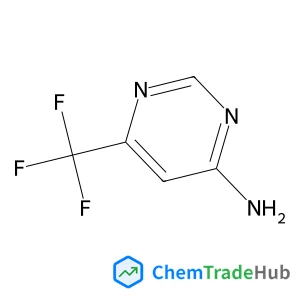
CAS Number
Related Products
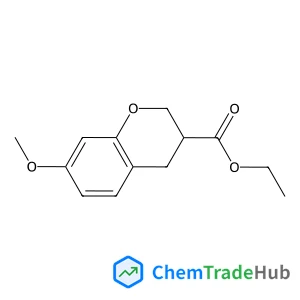
Ethyl 7-methoxy-3-chromanecarboxylate
CAS Number: 885271-77-2
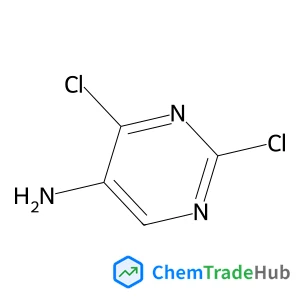
2,4-Dichloro-5-pyrimidinamine
CAS Number: 5177-27-5
![9-Oxa-1,4-diazaspiro[5.5]undecane](https://static.chemtradehub.com/structs/303/303802-17-7-2081.webp)
9-Oxa-1,4-diazaspiro[5.5]undecane
CAS Number: 303802-17-7
Other Suppliers for 6-(Trifluoromethyl)-4-pyrimidinamine







Basic Information
Molecular Formula
C5H4F3N3
Molecular Weight
163.1 g/mol
Chemical Identifiers
SMILES
C1=C(N=CN=C1N)C(F)(F)F
InChIKey
FIAIKJQZLXLGCR-UHFFFAOYSA-N
Database References
MDL Number
MFCD08436657
FAQ
6-(Trifluoromethyl)-4-pyrimidinamine (CAS: 672-41-3) falls under the scope of the REACH regulation in the European Union, which requires registration for substances above a certain tonnage. Additionally, it is classified and labeled according to the Globally Harmonized System of Classification and Labeling of Chemicals (GHS), which includes health hazards such as skin and eye irritation. In the United States, the Environmental Protection Agency (EPA) and Food and Drug Administration (FDA) may have specific requirements for handling and disposal depending on its intended use.
There are several alternatives to 6-(Trifluoromethyl)-4-pyrimidinamine (CAS: 672-41-3) in synthesis, including other pyrimidines and analogous compounds. For example, 5-(trifluoromethyl)pyrimidines and 4-(trifluoromethyl)pyrimidines can serve as functional analogs. In some cases, isomers or similar compounds such as 6-(difluoromethyl)-4-pyrimidinamine can be used as substitutes.
The market for 6-(Trifluoromethyl)-4-pyrimidinamine (CAS: 672-41-3) is driven by its use in pharmaceuticals, particularly as a precursor for drug synthesis. Research trends suggest increasing interest in its application in antiviral and anticancer therapies. Market demand is expected to grow as new applications are discovered, particularly in the development of novel drugs targeting specific molecular pathways.
Waste containing 6-(Trifluoromethyl)-4-pyrimidinamine (CAS: 672-41-3) should be collected in properly labeled containers and handled according to local regulations. Incineration is a common method for disposing of such waste, but professional waste disposal services should be used to ensure compliance with environmental protection standards. It is crucial to follow all safety precautions and ensure that waste is disposed of in a manner that does not pose a risk to human health or the environment.
Safety Notice
Please verify product specifications and safety data before use. Contact the supplier for detailed safety information.
Always follow proper handling procedures

Contact Information
Contact Person
Miss Shi
xinyu_shi@jwypharmlab.com.cn
Mobile
13651849907
Telephone
021-64340559
Visit Website
https://www.jwypharmlab.com.cn/Address
No. 5 Building, Building 351, Chenge Road, Minhang District, Shanghai