



AD
2,2',2''-(1,3,5-Triazinane-1,3,5-triyl)triethanol(CAS: 4719-04-4)
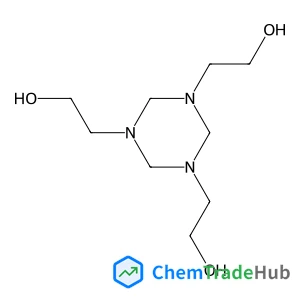
CAS Number
Related Products
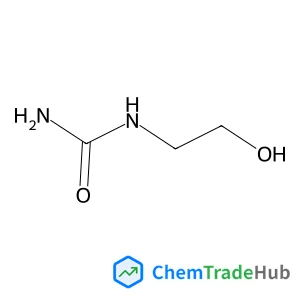
1-(2-Hydroxyethyl)urea
CAS Number: 2078-71-9
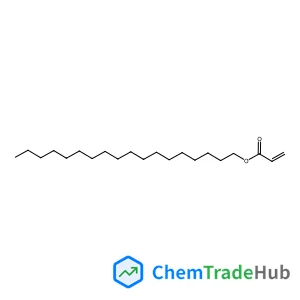
Octadecyl acrylate
CAS Number: 4813-57-4
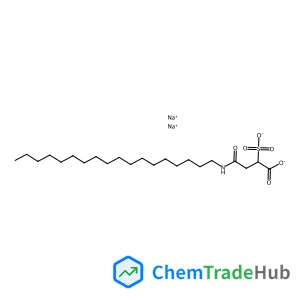
N-OCTADECYL DISODIUM SULFOSUCCINATE
CAS Number: 14481-60-8
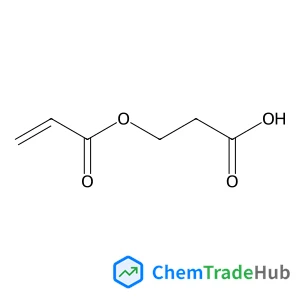
2-Carboxyethyl Acrylate
CAS Number: 24615-84-7
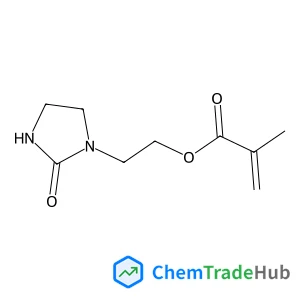
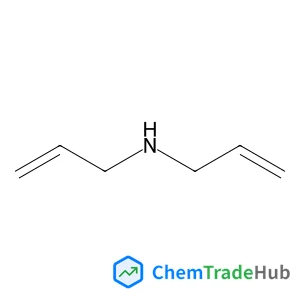
N-Allyl-2-propen-1-amine
CAS Number: 124-02-7
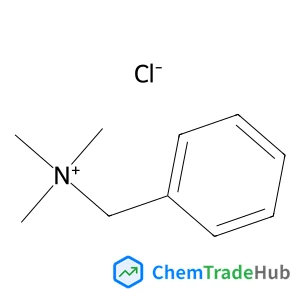
![N,N-Dimethyl-N-[3-(trimethoxysilyl)propyl]-1-octadecanaminium chloride](https://static.chemtradehub.com/structs/276/27668-52-6-f54e.webp)
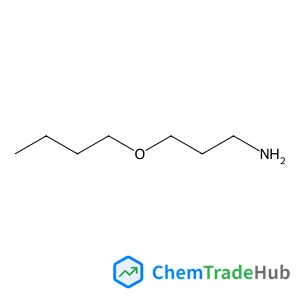
3-Butoxypropylamine
CAS Number: 16499-88-0
Other Suppliers for 2,2',2''-(1,3,5-Triazinane-1,3,5-triyl)triethanol



Basic Information
Molecular Formula
C9H21N3O3
Molecular Weight
219.28 g/mol
Physical Properties
Boiling Point
360.1°C (rough estimate)
Chemical Identifiers
SMILES
C1N(CN(CN1CCO)CCO)CCO
InChIKey
HUHGPYXAVBJSJV-UHFFFAOYSA-N
Database References
MDL Number
MFCD01678788
FAQ
2,2',2''-(1,3,5-Triazinane-1,3,5-triyl)triethanol is a colorless, clear liquid with a molecular weight of approximately 212.2 g/mol. It has a low melting point and is moderately soluble in water and ethanol. Chemically, it is highly reactive due to the presence of the triazole ring, making it suitable for various chemical reactions. It is often used in the synthesis of pharmaceuticals and other organic compounds.
2,2',2''-(1,3,5-Triazinane-1,3,5-triyl)triethanol is commonly synthesized via the condensation of ethylene glycol and 1,3,5-triazine. This process is catalyzed by acid or base catalysts, and the yield is typically high, around 80-90%. The reaction conditions are mild, and the product is usually purified by distillation.
2,2',2''-(1,3,5-Triazinane-1,3,5-triyl)triethanol is used in the pharmaceutical industry for the synthesis of certain medications, in the polymer industry for the production of advanced materials, and in the semiconductor industry for the fabrication of sensitive electronic components. It is also employed in the development of sensors and other specialized applications.
When handling 2,2',2''-(1,3,5-Triazinane-1,3,5-triyl)triethanol, it is crucial to wear appropriate personal protective equipment (PPE), including gloves and safety goggles. Ensure that the work is conducted in a well-ventilated area or a fume hood. Spills should be cleaned up immediately with appropriate absorbents, and the area should be thoroughly flushed with water. Always consult the Safety Data Sheet (SDS) for detailed handling and emergency procedures.
Safety Notice
Please verify product specifications and safety data before use. Contact the supplier for detailed safety information.
Always follow proper handling procedures
Contact Information
Contact Person
Manager Zhang
monomers@126.com