



AD
Methyl (2S)-2-amino-4-({[(2-methyl-2-propanyl)oxy]carbonyl}amino)butanoate hydrochloride (1:1)(CAS: 3350-15-0)
![Methyl (2S)-2-amino-4-({[(2-methyl-2-propanyl)oxy]carbonyl}amino)butanoate hydrochloride (1:1)](https://static.chemtradehub.com/structs/335/3350-15-0-9b11.webp "Methyl (2S)-2-amino-4-({[(2-methyl-2-propanyl)oxy]carbonyl}amino)butanoate hydrochloride (1:1)")
CAS Number
Related Products
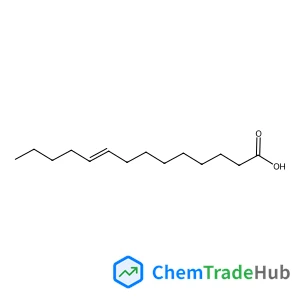
(9Z)-9-Tetradecenoic acid
CAS Number: 544-64-9
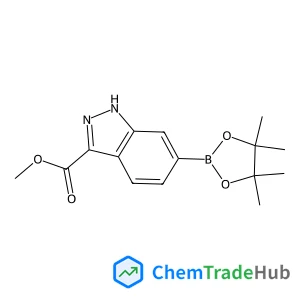
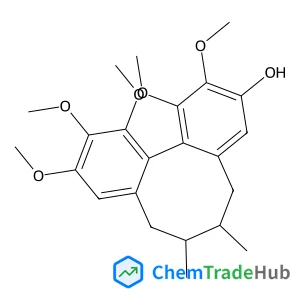
Gomisin K1
CAS Number: 75629-20-8
![2-Methyl-2-propanyl (1R,5R)-5-hydroxy-3-azabicyclo[4.1.0]heptane-3-carboxylate](https://static.chemtradehub.com/structs/230/2305079-71-2-b0dc.webp)
![2-Oxa-7-azaspiro[3.5]nonane acetate (1:1)](https://static.chemtradehub.com/structs/131/1313369-52-6-2eb1.webp)
![4-Nitrophenyl N-[(benzyloxy)carbonyl]-D-phenylalaninate](https://static.chemtradehub.com/structs/257/2578-85-0-6c76.webp)
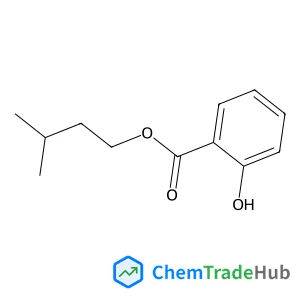
3-Methylbutyl salicylate
CAS Number: 87-20-7
![4-{[4-(4-Chlorophenyl)-1,3-thiazol-2-yl]amino}phenol hydrochloride (1:1)](https://static.chemtradehub.com/structs/117/1177741-83-1-b09e.webp)
![2-[4-(5-Amino-2-pyridinyl)-1-piperazinyl]-1-ethanol](https://static.chemtradehub.com/structs/101/1017221-34-9-ca8d.webp)
Other Suppliers for Methyl (2S)-2-amino-4-({[(2-methyl-2-propanyl)oxy]carbonyl}amino)butanoate hydrochloride (1:1)
![Methyl (2S)-2-amino-4-({[(2-methyl-2-propanyl)oxy]carbonyl}amino)butanoate hydrochloride (1:1) — Leyan Reagents](https://static.chemtradehub.com/suppliers/67ce1f8657537e5c8069b370/67ce1f8657537e5c8069b370-logo.webp)
![Methyl (2S)-2-amino-4-({[(2-methyl-2-propanyl)oxy]carbonyl}amino)butanoate hydrochloride (1:1) — Shanghai Jixiang Biotechnology Co., Ltd.](https://static.chemtradehub.com/suppliers/67ce6f4d2b2de6e8e95a45bf/67ce6f4d2b2de6e8e95a45bf-logo.webp)
![Methyl (2S)-2-amino-4-({[(2-methyl-2-propanyl)oxy]carbonyl}amino)butanoate hydrochloride (1:1) — Beijing Bailingwei Technology Co., Ltd.](https://static.chemtradehub.com/suppliers/67cde31e57537e5c8069aebf/67cde31e57537e5c8069aebf-logo.webp)
![Methyl (2S)-2-amino-4-({[(2-methyl-2-propanyl)oxy]carbonyl}amino)butanoate hydrochloride (1:1) — Jin Jinle (Hunan) Chemical Co., Ltd.](https://static.chemtradehub.com/suppliers/67ce76192b2de6e8e95a464e/67ce76192b2de6e8e95a464e-logo.webp)
![Methyl (2S)-2-amino-4-({[(2-methyl-2-propanyl)oxy]carbonyl}amino)butanoate hydrochloride (1:1) — HePeng ( ShangHai ) Biotechnology Co Ltd](https://static.chemtradehub.com/suppliers/67ceccf22b2de6e8e95a5e0f/67ceccf22b2de6e8e95a5e0f-logo.webp)
Basic Information
Molecular Formula
C10H21ClN2O4
Molecular Weight
268.74 g/mol
Chemical Identifiers
SMILES
CC(C)(C)OC(=O)NCCC(C(=O)OC)N.Cl
InChIKey
XETISTBVDHNRBD-FJXQXJEOSA-N
Database References
MDL Number
MFCD00798680
FAQ
Methyl (2S)-2-amino-4-({[(2-methyl-2-propanyl)oxy]carbonyl}amino)butanoate hydrochloride must comply with the Globally Harmonized System of Classification and Labelling of Chemicals (GHS), REACH regulations in the EU, and FDA and EPA requirements in the US. It is classified as a hazardous substance due to its potential for skin irritation and other adverse effects. Producers and importers must provide Material Safety Data Sheets (MSDS) and ensure proper labeling according to regulatory guidelines.
For synthesis, alternatives such as other amino acids or derivatives can be used. Common substitutes include L-lysine hydrochloride, DL-phenylalanine, and other similar compounds. These alternatives offer similar functional groups and can be employed in analogous reactions. However, the choice of alternative depends on the specific requirements of the synthesis and the desired product properties.
The market for Methyl (2S)-2-amino-4-({[(2-methyl-2-propanyl)oxy]carbonyl}amino)butanoate hydrochloride is growing due to its applications in pharmaceuticals and agrochemicals. Research trends indicate increasing interest in developing more efficient synthesis methods and exploring its use in targeted drug delivery systems. The compound's unique structural features make it a valuable intermediate in various chemical processes.
Waste containing Methyl (2S)-2-amino-4-({[(2-methyl-2-propanyl)oxy]carbonyl}amino)butanoate hydrochloride should be collected in appropriate containers and stored in a secure location. It should be disposed of by professional waste management companies that specialize in hazardous waste. Incineration is a common method for disposal, but it must be conducted under controlled conditions to minimize environmental impact. Environmental protection precautions include proper containment to prevent leaks and spills, and adherence to local, national, and international regulations.
Safety Notice
Please verify product specifications and safety data before use. Contact the supplier for detailed safety information.
Always follow proper handling procedures
Contact Information
chenling@zzstandard.com