



AD
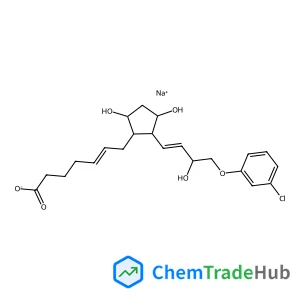
Sodium (Z)-7-((1R,2R,3R,5S)-2-((R,E)-4-(3-chlorophenoxy)-3-hydroxybut-1-en-1-yl)-3,5-dihydroxycyclopentyl)hept-5-enoate(CAS: 62561-03-9)
CAS Number
Related Products
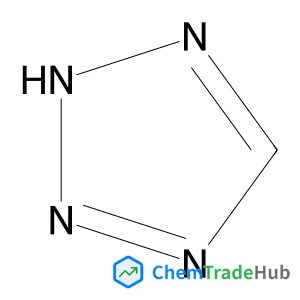
2H-Tetrazole
CAS Number: 288-94-8
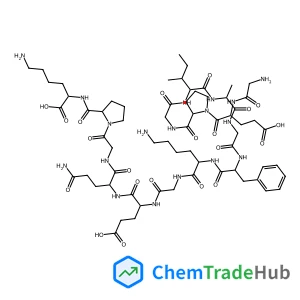
Collagen(cattle skin) (9CI)
CAS Number: 9064-67-9
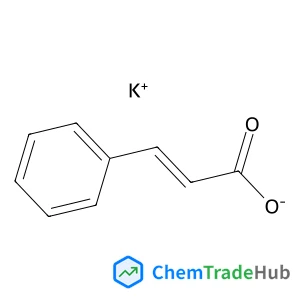
Potassium (2E)-3-phenylacrylate
CAS Number: 16089-48-8
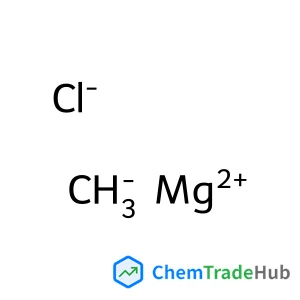
Chloro(methyl)magnesium
CAS Number: 676-58-4
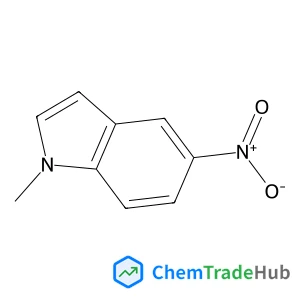
1-Methyl-5-nitro-1H-indole
CAS Number: 29906-67-0
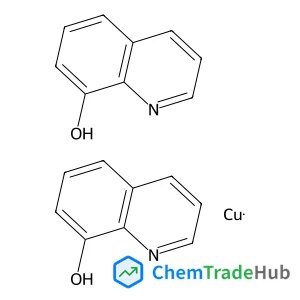
Bis(8-quinolinolato)copper(II)
CAS Number: 10380-28-6
![2-[4-(1-Hydroxy-4-{4-[hydroxy(diphenyl)methyl]-1-piperidinyl}butyl)phenyl]-2-methylpropanoic acid hydrochloride (1:1)](https://static.chemtradehub.com/structs/153/153439-40-8-f2bf.webp)
Other Suppliers for Sodium (Z)-7-((1R,2R,3R,5S)-2-((R,E)-4-(3-chlorophenoxy)-3-hydroxybut-1-en-1-yl)-3,5-dihydroxycyclopentyl)hept-5-enoate






Basic Information
Molecular Formula
C22H28ClNaO6
Molecular Weight
446.9 g/mol
Physical Properties
Melting Point
68-70 ºC
Boiling Point
628ºC at 760 mmHg
Flash Point
333.6 °C
Chemical Identifiers
SMILES
C1C(C(C(C1O)C=CC(COC2=CC(=CC=C2)Cl)O)CC=CCCCC(=O)[O-])O.[Na+]
InChIKey
IFEJLMHZNQJGQU-KXXGZHCCSA-M
Database References
MDL Number
MFCD00132875
FAQ
This compound is a crystalline solid with a molecular weight of approximately 612.27 g/mol. It is poorly soluble in water but soluble in organic solvents such as dimethylformamide (DMF) and acetonitrile. Chemically, it exhibits reactivity typical of an alkene and phenol groups, making it susceptible to oxidation and hydrolysis under certain conditions. It is generally stable under anhydrous and inert conditions but requires handling under a protective atmosphere.
This compound is synthesized through a multistep process involving the conjugate addition of a conjugated diene to an alkene, followed by the introduction of a chlorophenoxy group and hydroxylation. Commonly used catalysts include transition metals such as palladium or rhodium. The synthetic route involves multiple steps with careful control of reaction conditions to achieve high selectivity and yield.
This compound is primarily used in the pharmaceutical industry for the development of new drugs due to its specific structural features. It may also find applications in the polymer industry for the synthesis of advanced materials with enhanced properties. Its unique chemical structure makes it valuable for research in sensor technology and semiconductor manufacturing.
Proper personal protective equipment (PPE) such as gloves, goggles, and a lab coat is essential when handling this compound. It should be stored in a cool, dry place away from direct sunlight. Fume hoods should be used during handling to minimize exposure. In case of spill, immediately clean up using appropriate absorbent material and follow standard laboratory safety protocols. Always refer to the safety data sheet (SDS) for detailed handling and disposal instructions.
Safety Notice
Please verify product specifications and safety data before use. Contact the supplier for detailed safety information.
Always follow proper handling procedures