



AD
1,5,9-Cyclododecatriene(CAS: 4904-61-4)
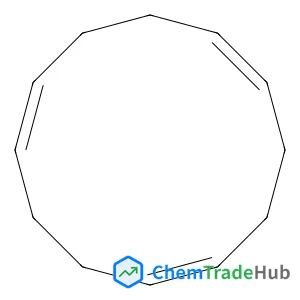
CAS Number
Related Products
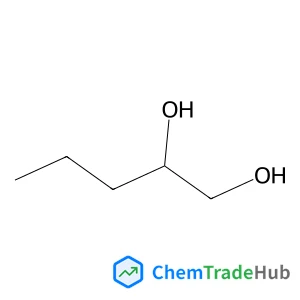
1,2-Pentanediol
CAS Number: 5343-92-0
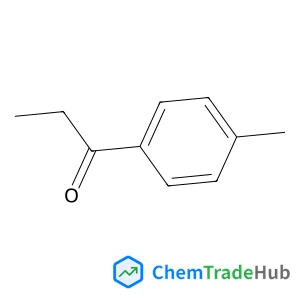
1-(4-Methylphenyl)-1-propanone
CAS Number: 5337-93-9
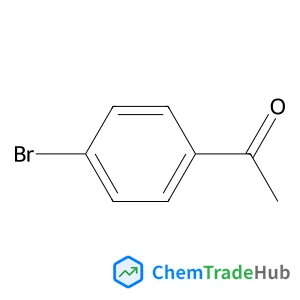
1-(4-Bromophenyl)ethanone
CAS Number: 99-90-1
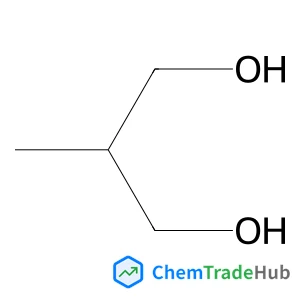
2-Methyl-1,3-propanediol
CAS Number: 2163-42-0
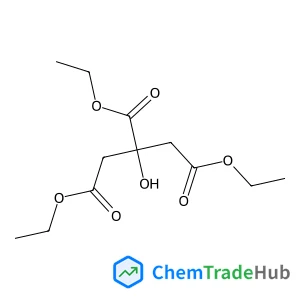
Triethyl citrate
CAS Number: 77-93-0
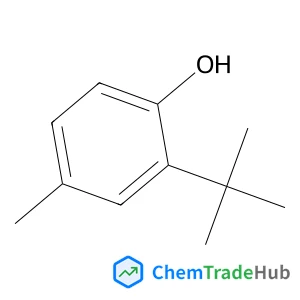
4-Methyl-2-(2-methyl-2-propanyl)phenol
CAS Number: 2409-55-4
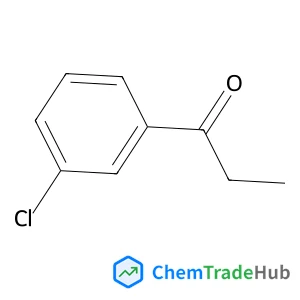
1-(3-Chlorophenyl)-1-propanone
CAS Number: 34841-35-5
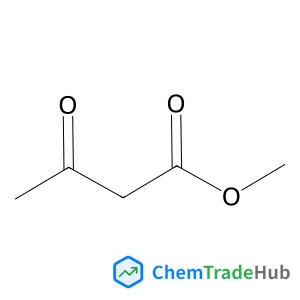
Methyl Acetoacetate
CAS Number: 105-45-3
Other Suppliers for 1,5,9-Cyclododecatriene


Basic Information
Molecular Formula
C12H18
Molecular Weight
162.27 g/mol
Physical Properties
Melting Point
33-35 °C(lit.)
Boiling Point
237-238 °C(lit.)
Flash Point
178 °F
Chemical Identifiers
SMILES
C1CC=CCCC=CCCC=C1
InChIKey
ZOLLIQAKMYWTBR-UHFFFAOYSA-N
Database References
FAQ
1,5,9-Cyclododecatriene (CAS: 4904-61-4) falls under the scope of various regulations including REACH in the European Union, which requires registration of substances above 1 ton per year. Additionally, it is classified under the Globally Harmonized System (GHS) as a flammable liquid. FDA and EPA regulations may also apply depending on its intended use in the United States, such as in pharmaceuticals or in the formulation of certain products.
Alternatives to 1,5,9-Cyclododecatriene (CAS: 4904-61-4) in synthesis include other cycloalkenes such as cyclopentadiene and cyclohexene, which offer similar reactivity. Isomers like 1,5,9-Cyclododecatriene-1,5-diol may also be used as a substitute, depending on the specific reaction conditions and desired product structure.
1,5,9-Cyclododecatriene (CAS: 4904-61-4) is primarily used in the synthesis of polycyclic compounds and as a precursor in the production of certain polymers. Market trends indicate increasing interest in sustainable and biodegradable materials, which may drive research into the use of 1,5,9-cyclododecatriene for developing eco-friendly products. Additionally, its use in pharmaceuticals and as a solvent is also being explored.
Waste containing 1,5,9-Cyclododecatriene (CAS: 4904-61-4) should be collected in appropriate sealed containers and disposed of through professional waste disposal services that comply with local hazardous waste regulations. Incineration is a common method for disposal, with precautions taken to ensure proper combustion and control of emissions. Environmental protection measures should include monitoring air quality and groundwater to prevent contamination. Compliance with regulations such as RCRA (Resource Conservation and Recovery Act) in the United States is essential.
Safety Notice
Please verify product specifications and safety data before use. Contact the supplier for detailed safety information.
Always follow proper handling procedures
Contact Information
chongqinghg10@163.com