



AD
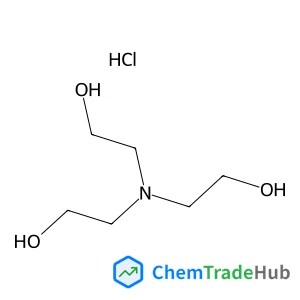
Triethanolamine hydrochloride(CAS: 637-39-8)
CAS Number
Related Products
![2-[(Methylsulfanyl)methyl]furan](https://static.chemtradehub.com/structs/143/1438-91-1-5bca.webp)
2-[(Methylsulfanyl)methyl]furan
CAS Number: 1438-91-1
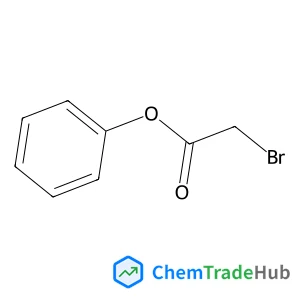
Phenyl bromoacetate
CAS Number: 620-72-4
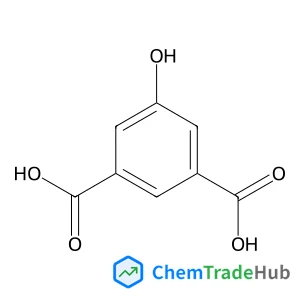
5-Hydroxyisophthalic acid
CAS Number: 618-83-7

3,3,3-Tribromo-2,2-dimethyl-1-propanol
CAS Number: 36483-57-5
![[1,1'-biphenyl]-4,4'-dicarboxylic acid](https://static.chemtradehub.com/structs/787/787-70-2-a537.webp)
[1,1'-biphenyl]-4,4'-dicarboxylic acid
CAS Number: 787-70-2
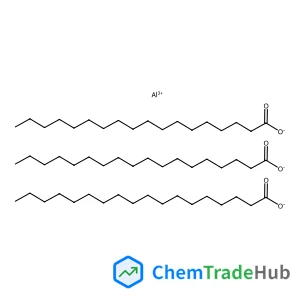
Aluminium trioctadecanoate
CAS Number: 637-12-7
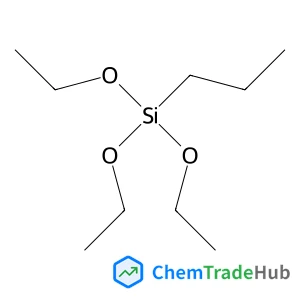
Triethoxy(propyl)silane
CAS Number: 2550-02-9
Other Suppliers for Triethanolamine hydrochloride






Basic Information
Molecular Formula
C6H15NO3
Molecular Weight
185.65 g/mol
Physical Properties
Melting Point
177 ºC
Boiling Point
335.4°C at 760 mmHg
Flash Point
185°C
Water Solubility
Soluble in water.
Chemical Identifiers
SMILES
OCCN(CCO)CCO.[H]Cl
InChIKey
HHLJUSLZGFYWKW-UHFFFAOYSA-N
Database References
MDL Number
MFCD00012596
Beilstein Registry Number
3909940
FAQ
Triethanolamine hydrochloride (CAS: 637-39-8) is subject to regulatory guidelines such as REACH in the European Union, which requires manufacturers and importers to register substances if they are manufactured or imported in quantities exceeding 1 ton per year. Additionally, it is classified under the Globally Harmonized System of Classification and Labeling of Chemicals (GHS) as a skin irritant and sensitizing agent. In the United States, the EPA regulates its handling under the Toxic Substances Control Act (TSCA).
Triethanolamine hydrochloride (CAS: 637-39-8) can be replaced by other amine derivatives such as triethanolamine or morpholine. Sodium hydroxide can also be used as an alternative in certain reactions. These alternatives may vary in reactivity and solubility, and should be chosen based on the specific application requirements.
The market for triethanolamine hydrochloride (CAS: 637-39-8) is stable, with increasing demand in the pharmaceutical and cosmetics industries. Research trends indicate a growing focus on its use as a buffering agent and pH adjuster. Additionally, its role in improving the stability and shelf-life of personal care products is gaining attention. However, environmental concerns are prompting investigations into more sustainable alternatives.
Waste containing triethanolamine hydrochloride (CAS: 637-39-8) should be collected and disposed of according to local and national regulations. It is classified as a hazardous waste due to its skin irritant properties. Incineration is a suitable method for disposal, but it should be conducted in a properly licensed facility to ensure compliance with air quality standards. Professional waste disposal services should be utilized to manage and dispose of the waste safely and in accordance with environmental protection measures.
Safety Notice
Please verify product specifications and safety data before use. Contact the supplier for detailed safety information.
Always follow proper handling procedures
Contact Information
Contact Person
Manager Wan
2899769787@qq.com