



AD
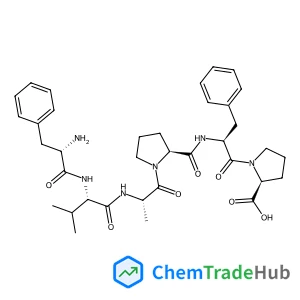
L-Phenylalanyl-L-valyl-L-alanyl-L-prolyl-L-phenylalanyl-L-proline(CAS: 161258-30-6)
CAS Number
Related Products
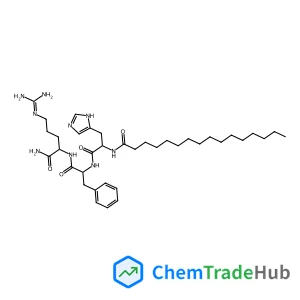
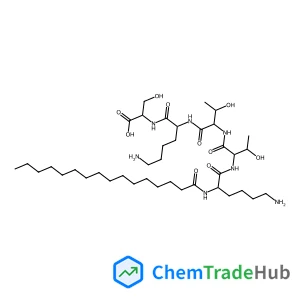
Palmitoyl tripeptide-8
CAS Number: 936544-53-5
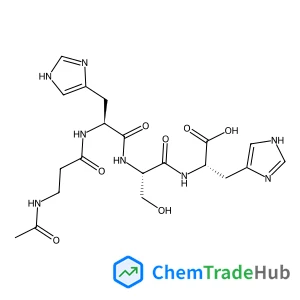
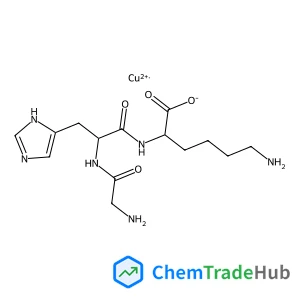
Prezatide copper
CAS Number: 89030-95-5
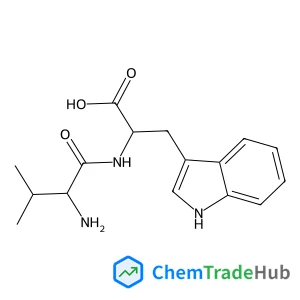
L-Valyl-L-tryptophan
CAS Number: 24587-37-9
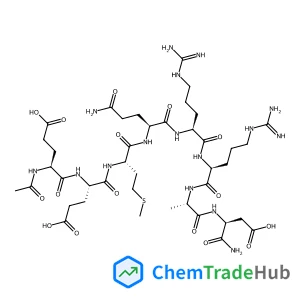
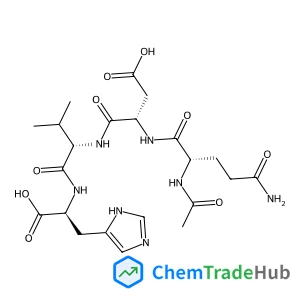
Hexapeptide 9
CAS Number: 1228371-11-6
Other Suppliers for L-Phenylalanyl-L-valyl-L-alanyl-L-prolyl-L-phenylalanyl-L-proline





Basic Information
Molecular Formula
C36H48N6O7
Molecular Weight
676.82 g/mol
Chemical Identifiers
SMILES
C[C@@H](C(=O)N1CCC[C@H]1C(=O)N[C@@H](Cc2ccccc2)C(=O)N3CCC[C@H]3C(=O)O)NC(=O)[C@H](C(C)C)NC(=O)[C@H](Cc4ccccc4)N
InChIKey
GFEYWOGCSROPRT-OBXVVNIGSA-N
Database References
FAQ
L-Phenylalanyl-L-valyl-L-alanyl-L-prolyl-L-phenylalanyl-L-proline (CAS: 161258-30-6) is subject to various regulatory guidelines including the Globally Harmonized System of Classification and Labelling of Chemicals (GHS), REACH regulations in the European Union, and FDA and EPA requirements in the United States. Manufacturers and distributors must adhere to these guidelines for safe handling, storage, and transportation.
In the synthesis of L-Phenylalanyl-L-valyl-L-alanyl-L-prolyl-L-phenylalanyl-L-proline (CAS: 161258-30-6), there are several alternatives that can be used, such as related peptides or analogs like L-Phenylalanyl-L-valyl-L-alanyl-L-prolyl-L-phenylalanine. These alternatives can serve as substitutes depending on the specific requirements of the synthesis process.
The market and research trends for L-Phenylalanyl-L-valyl-L-alanyl-L-prolyl-L-phenylalanyl-L-proline (CAS: 161258-30-6) are primarily focused on its use in peptide-based drug development and biotechnology applications. There is ongoing research to explore its potential in areas such as immunotherapy, cancer treatment, and vaccine development. The demand is expected to grow as more applications are discovered.
Waste containing L-Phenylalanyl-L-valyl-L-alanyl-L-prolyl-L-phenylalanyl-L-proline (CAS: 161258-30-6) should be collected in appropriate containers and disposed of through professional waste disposal facilities. Incineration is a common method for disposing of peptide waste. Environmental protection precautions should be taken to prevent contamination of soil and water. Compliance with local and international waste disposal regulations is essential.
Safety Notice
Please verify product specifications and safety data before use. Contact the supplier for detailed safety information.
Always follow proper handling procedures
Contact Information
Contact Person
Mr. Yang
290637365@qq.com