



AD
Tris(4-nonylphenyl) phosphite(CAS: 26523-78-4)

CAS Number
Related Products
![1-Methoxy-2-[(1-methoxy-2-propanyl)oxy]propane](https://static.chemtradehub.com/structs/111/111109-77-4-77bd.webp)

![N,N''''-1,6-Hexanediylbis[N'-(4-chlorophenyl)(imidodicarbonimidic diamide)] - D-gluconic acid (1:2)](https://static.chemtradehub.com/structs/184/18472-51-0-b380.webp)

Gamithromycin
CAS Number: 145435-72-9

Isooctyl Methacrylate
CAS Number: 28675-80-1
![(2R)-2,5,7,8-Tetramethyl-2-[(4R,8R)-4,8,12-trimethyltridecyl]-3,4-dihydro-2H-chromen-6-yl acetate](https://static.chemtradehub.com/structs/58-/58-95-7-ee21.webp)

Sodium (9Z)-9-octadecenoate
CAS Number: 143-19-1

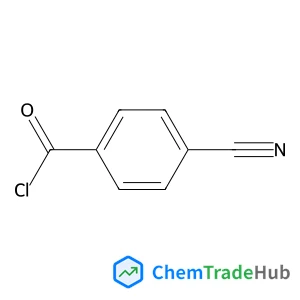
4-cyanobenzoyl chloride
CAS Number: 6068-72-0
Other Suppliers for Tris(4-nonylphenyl) phosphite





Basic Information
Molecular Formula
C45H69O3P
Molecular Weight
689.02 g/mol
Physical Properties
Boiling Point
>360 °C(lit.)
Chemical Identifiers
SMILES
CCCCCCCCCC1=CC=CC=C1OP(OC2=CC=CC=C2CCCCCCCCC)OC3=CC=CC=C3CCCCCCCCC
InChIKey
MGMXGCZJYUCMGY-UHFFFAOYSA-N
Database References
MDL Number
MFCD00015301
FAQ
Tris(4-nonylphenyl) phosphite (CAS: 26523-78-4) is regulated under the Globally Harmonized System of Classification and Labelling of Chemicals (GHS), which includes classification for flammability and aquatic toxicity. It is also subject to the REACH regulations in the European Union, which require registration and evaluation of chemical substances for their safety. Additionally, it may fall under the jurisdiction of the FDA for use in food contact substances and the EPA for environmental protection and safety assessments.
There are several alternatives to Tris(4-nonylphenyl) phosphite (CAS: 26523-78-4) in synthesis, including other phosphites such as tributyl phosphite and triphenyl phosphite. Isomers and analogs like Tris(2-ethylhexyl) phosphite can also be used depending on the specific requirements of the synthesis. In some cases, hindered amine light stabilizers (HALS) or other antioxidants may be considered as effective alternatives.
The market for Tris(4-nonylphenyl) phosphite (CAS: 26523-78-4) is influenced by its use as a stabilizer in polymeric materials. Recent research trends focus on the development of more sustainable and biodegradable alternatives. Additionally, there is increasing interest in understanding the environmental impact and potential alternatives to this compound. Market trends suggest a need for more eco-friendly solutions to replace traditional phosphites in various applications.
Waste containing Tris(4-nonylphenyl) phosphite (CAS: 26523-78-4) should be collected in appropriate containers and disposed of according to local regulations. Incineration is a common method for waste disposal, but professional waste disposal services should be considered for large quantities or contaminated materials. Environmental protection measures include ensuring that all waste is contained to prevent spills and ensuring that disposal methods comply with GHS and REACH regulations to minimize environmental impact.
Safety Notice
Please verify product specifications and safety data before use. Contact the supplier for detailed safety information.
Always follow proper handling procedures
Contact Information
Contact Person
Zhang Manager
1609147400@qq.com