



AD
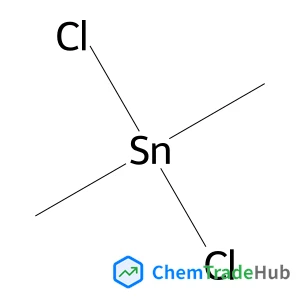
Dichloro(dimethyl)stannane(CAS: 753-73-1)
CAS Number
Related Products
![2-[(Benzyloxy)methyl]oxirane](https://static.chemtradehub.com/structs/896/89616-40-0-99e6.webp)
2-[(Benzyloxy)methyl]oxirane
CAS Number: 89616-40-0
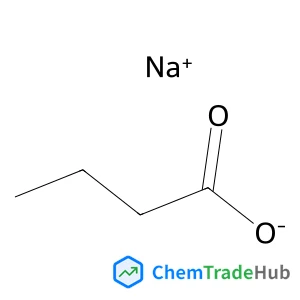
Sodium butyrate
CAS Number: 156-54-7
![4,4'-(2,2-Propanediyl)bis(2,6-dibromophenol) - 2,2'-{2,2-propanediylbis[(2,6-dibromo-4,1-phenylene)oxymethylene]}dioxirane (1:1)](https://static.chemtradehub.com/structs/689/68928-70-1-def5.webp)
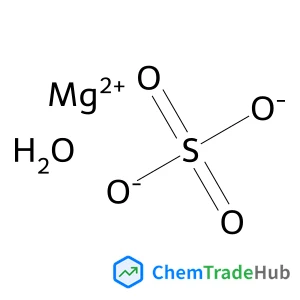
Magnesium sulfate hydrate (1:1:1)
CAS Number: 14168-73-1
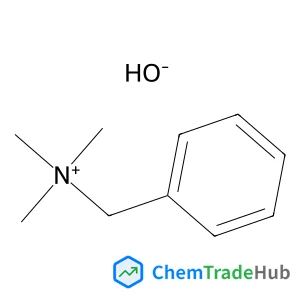

Magnesium tert-Butoxide
CAS Number: 32149-57-8
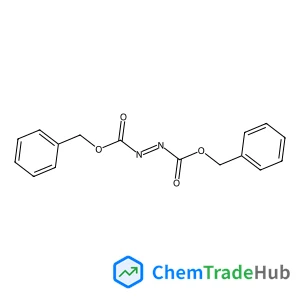
Dibenzyl (E)-1,2-diazenedicarboxylate
CAS Number: 2449-05-0
Other Suppliers for Dichloro(dimethyl)stannane



Basic Information
Molecular Formula
C2H6Cl2Sn
Molecular Weight
219.69 g/mol
Physical Properties
Melting Point
101-106 °C (lit.)
Boiling Point
188-190°C
Density
1,397 g/cm3
Flash Point
185-190°C
Water Solubility
Slightly soluble in water (20 g/L (20°C)). Solubility in other solvents (0.1 g/ml in methanol).
Chemical Identifiers
SMILES
C[Sn](C)(Cl)Cl
InChIKey
PKKGKUDPKRTKLJ-UHFFFAOYSA-L
Database References
MDL Number
MFCD00000517
Beilstein Registry Number
3660508
FAQ
Dichloro(dimethyl)stannane (CAS: 753-73-1) is regulated under various guidelines such as GHS (Global Harmonized System of Classification and Labeling of Chemicals) for its physical hazards, including flammability and reactivity. It is also subject to REACH (Registration, Evaluation, Authorization and Restriction of Chemicals) in the European Union, requiring manufacturers and importers to register the chemical with the authorities. FDA and EPA regulations may apply for its use in pharmaceuticals and environmental releases, respectively.
Several alternatives to Dichloro(dimethyl)stannane in synthesis include other organostannanes like tributyltin chloride or triphenyltin chloride, which may offer similar reactivity but with different physical and chemical properties. Other substitutes could be organolithium reagents or Grignard reagents, which are commonly used in organic synthesis as alternatives to organostannanes.
The market for Dichloro(dimethyl)stannane (CAS: 753-73-1) is driven by its use in organic synthesis for various chemical intermediates. Research trends are focusing on its applications in pharmaceuticals, agrochemicals, and polymer synthesis. There is also ongoing exploration into its potential use in nanotechnology and as a precursor in material science. However, due to its reactivity and toxicity, there is increasing emphasis on developing safer alternatives and handling methods.
Waste containing Dichloro(dimethyl)stannane (CAS: 753-73-1) should be collected in appropriate containers and stored separately to prevent contamination. Proper disposal methods include incineration or professional waste disposal services that comply with local regulations. Environmental protection measures should include the use of protective equipment and ensuring minimal exposure to air and water. It is crucial to follow local, national, and international guidelines for hazardous waste management to ensure safety and compliance.
Safety Notice
Please verify product specifications and safety data before use. Contact the supplier for detailed safety information.
Always follow proper handling procedures

Contact Information
Contact Person
Ms. Fe
3485543679@qq.com
Mobile
18662920632
Telephone
0513-66017275
Visit Website
https://www.raien.cn/Address
Yongdong Road No.5, Building 2, Unit 70, Nantong Development Zone