



AD
2-Thiophene Acetyl Chloride(CAS: 39098-97-0)
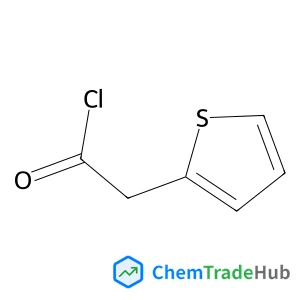
CAS Number
Related Products
![2-[(Methylsulfanyl)methyl]furan](https://static.chemtradehub.com/structs/143/1438-91-1-5bca.webp)
2-[(Methylsulfanyl)methyl]furan
CAS Number: 1438-91-1
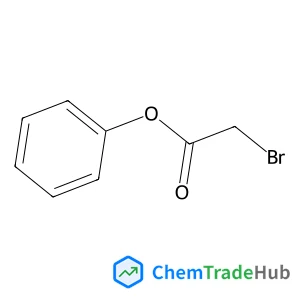
Phenyl bromoacetate
CAS Number: 620-72-4
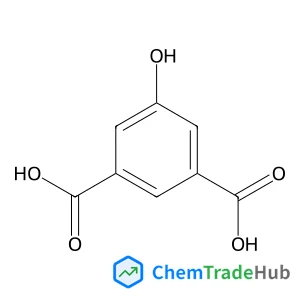
5-Hydroxyisophthalic acid
CAS Number: 618-83-7
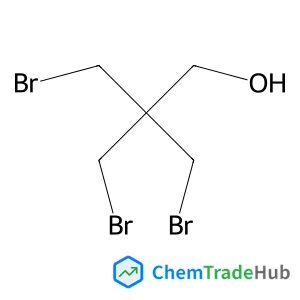
3,3,3-Tribromo-2,2-dimethyl-1-propanol
CAS Number: 36483-57-5
![[1,1'-biphenyl]-4,4'-dicarboxylic acid](https://static.chemtradehub.com/structs/787/787-70-2-a537.webp)
[1,1'-biphenyl]-4,4'-dicarboxylic acid
CAS Number: 787-70-2
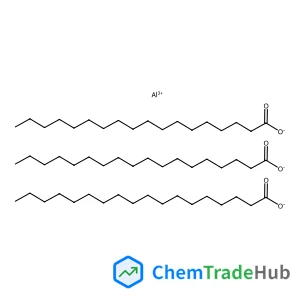
Aluminium trioctadecanoate
CAS Number: 637-12-7
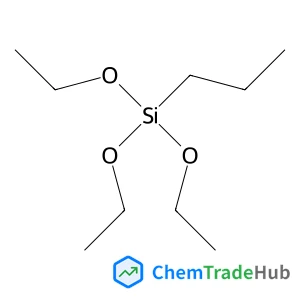
Triethoxy(propyl)silane
CAS Number: 2550-02-9
Other Suppliers for 2-Thiophene Acetyl Chloride



Basic Information
Molecular Formula
C6H5ClOS
Molecular Weight
160.63 g/mol
Physical Properties
Boiling Point
105-106 °C/22 mmHg(lit.)<br />130-135 °C/90 mmHg(lit.)
Water Solubility
Reacts with water.
Chemical Identifiers
SMILES
C1=CSC(=C1)CC(=O)Cl
InChIKey
AJYXPNIENRLELY-UHFFFAOYSA-N
Database References
MDL Number
MFCD00005456
Beilstein Registry Number
114547
FAQ
2-Thiophene Acetyl Chloride (CAS: 39098-97-0) is a chlorinated organic compound with the chemical formula C7H7O2S. It features an acetyl chloride group attached to the 2-position of a thiophene ring, making it highly reactive. This compound is known for its pungent odor and is commonly used as an intermediate in synthetic chemistry. Its unique structure enables participation in acylation reactions, which are critical in organic synthesis and pharmaceutical development.
2-Thiophene Acetyl Chloride (CAS: 39098-97-0) is primarily utilized in the pharmaceutical industry for synthesizing bioactive compounds and drug molecules. It also serves as a key reagent in chemical manufacturing, particularly in the production of pesticides, dyes, and specialty chemicals. Additionally, it is employed in research applications for developing new materials and conducting organic synthesis experiments. Its versatility makes it a valuable compound in various industrial and scientific processes.
2-Thiophene Acetyl Chloride (CAS: 39098-97-0) requires careful handling due to its potential toxicity. It may cause skin and eye irritation, and inhalation or ingestion can pose health risks. Safety standards emphasize the use of personal protective equipment (PPE) such as gloves, goggles, and respirators. Work should be conducted in a well-ventilated area or fume hood to minimize exposure. Always follow OSHA and EPA guidelines for safe handling and disposal.
2-Thiophene Acetyl Chloride (CAS: 39098-97-0) should be stored in a cool, dry place, away from direct light and moisture. It is recommended to keep it in airtight, corrosion-resistant containers, such as glass or HDPE, to maintain stability. Avoid exposure to incompatible substances like water or strong bases. Proper storage conditions ensure its longevity and prevent hazardous reactions, making it suitable for both industrial and laboratory settings.
Safety Notice
Please verify product specifications and safety data before use. Contact the supplier for detailed safety information.
Always follow proper handling procedures
Contact Information
Contact Person
Manager Wan
2899769787@qq.com