



AD
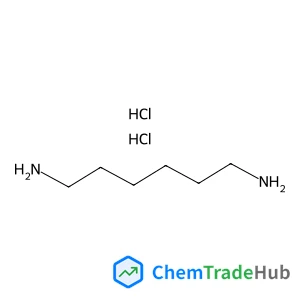
1,6-Diaminohexane Dihydrochloride(CAS: 6055-52-3)
CAS Number
Related Products
![1-Methoxy-2-[(1-methoxy-2-propanyl)oxy]propane](https://static.chemtradehub.com/structs/111/111109-77-4-77bd.webp)
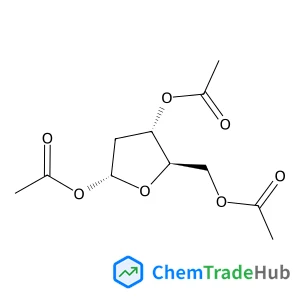
![N,N''''-1,6-Hexanediylbis[N'-(4-chlorophenyl)(imidodicarbonimidic diamide)] - D-gluconic acid (1:2)](https://static.chemtradehub.com/structs/184/18472-51-0-b380.webp)
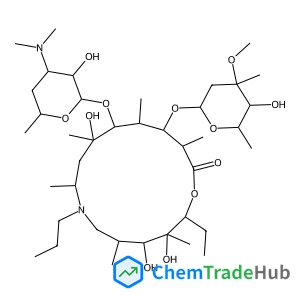
Gamithromycin
CAS Number: 145435-72-9
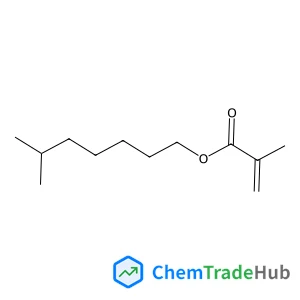
Isooctyl Methacrylate
CAS Number: 28675-80-1
![(2R)-2,5,7,8-Tetramethyl-2-[(4R,8R)-4,8,12-trimethyltridecyl]-3,4-dihydro-2H-chromen-6-yl acetate](https://static.chemtradehub.com/structs/58-/58-95-7-ee21.webp)
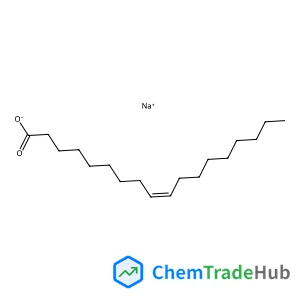
Sodium (9Z)-9-octadecenoate
CAS Number: 143-19-1
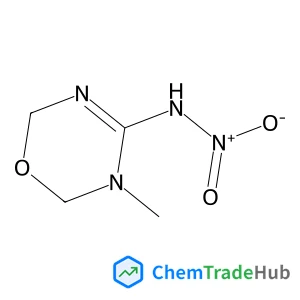
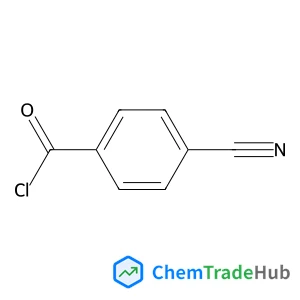
4-cyanobenzoyl chloride
CAS Number: 6068-72-0
Other Suppliers for 1,6-Diaminohexane Dihydrochloride



Basic Information
Molecular Formula
C6H18Cl2N2
Molecular Weight
189.12 g/mol
Physical Properties
Melting Point
256-257 °C (lit.)
Boiling Point
205 °C at 760 mmHg
Flash Point
81.1 °C
Water Solubility
very faint turbidity
Chemical Identifiers
SMILES
C(CCCN)CCN.Cl.Cl
InChIKey
XMVQMBLTFKAIOX-UHFFFAOYSA-N
Database References
MDL Number
MFCD00012528
FAQ
What are the physical and chemical properties of 1,6-Diaminohexane Dihydrochloride (CAS: 6055-52-3)?
1,6-Diaminohexane dihydrochloride is a white to off-white crystalline solid. Its molecular weight is approximately 211.68 g/mol. It is slightly soluble in water and organic solvents. It is slightly basic in nature and can undergo hydrolysis and reduction reactions. It has good solubility in ethanol and methanol, but is less soluble in hexane and toluene.
1,6-Diaminohexane dihydrochloride is typically synthesized by the chlorination of 1,6-hexanediamine. The reaction involves the addition of hydrogen chloride to 1,6-hexanediamine under alkaline conditions. The process is selective and yields a high percentage of the desired product. Catalysts such as sodium chloride or potassium chloride can be used to enhance reactivity and selectivity.
1,6-Diaminohexane dihydrochloride is used in the pharmaceutical industry for the synthesis of certain drugs. It is also utilized in the polymer industry for the production of polyurethane and other polymeric materials. Additionally, it finds applications in sensor technology and as a reducing agent in semiconductor manufacturing.
When handling 1,6-Diaminohexane dihydrochloride, it is important to use personal protective equipment such as gloves, goggles, and a lab coat. Store it in a cool, dry place away from direct sunlight and heat sources. Use a fume hood when opening containers or performing reactions to avoid inhalation. In case of spill, neutralize with an acidic solution and dispose of according to local regulations. Refer to the Safety Data Sheet (SDS) for detailed handling and disposal information.
Safety Notice
Please verify product specifications and safety data before use. Contact the supplier for detailed safety information.
Always follow proper handling procedures
Contact Information
Contact Person
Zhang Manager
1609147400@qq.com