



AD
8-Quinolinethiol hydrochloride (1:1)(CAS: 34006-16-1)
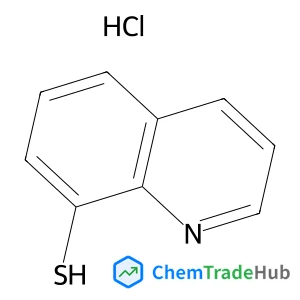
CAS Number
Related Products
![Ethyl bicyclo[2.2.1]hept-5-ene-2-carboxylate](https://static.chemtradehub.com/structs/101/10138-32-6-a6c4.webp)
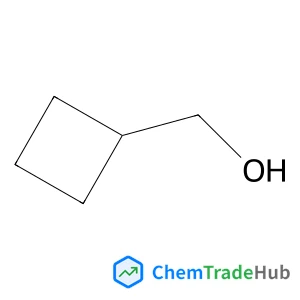
Cyclobutylmethanol
CAS Number: 4415-82-1
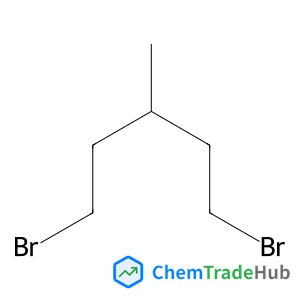
1,5-Dibromo-3-methylpentane
CAS Number: 4457-72-1
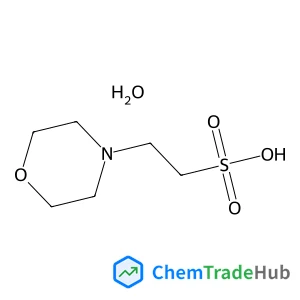
Enalapril Impurity 4
CAS Number: 15121-89-8
![1-[2-(Ethylsulfonyl)ethyl]-2-methyl-5-nitro-1H-imidazole](https://static.chemtradehub.com/structs/193/19387-91-8-a76f.webp)
Other Suppliers for 8-Quinolinethiol hydrochloride (1:1)




Basic Information
Molecular Formula
C9H8ClNS
Molecular Weight
197.69 g/mol
Physical Properties
Melting Point
165 °C (dec.) (lit.)
Boiling Point
303.8°Cat760mmHg
Flash Point
137.5°C
Chemical Identifiers
SMILES
C1=CC2=C(C(=C1)S)N=CC=C2.Cl
InChIKey
RWBSBQAUAJSGHY-UHFFFAOYSA-N
Database References
MDL Number
MFCD00043261
FAQ
8-Quinolinethiol hydrochloride (CAS: 34006-16-1) should comply with the Globally Harmonized System of Classification and Labelling of Chemicals (GHS), REACH regulations in the European Union, and Food and Drug Administration (FDA) and Environmental Protection Agency (EPA) requirements in the United States. It is classified as a hazardous chemical due to its potential corrosive properties and requires proper labeling and handling to ensure safety and environmental protection.
There are several alternatives to 8-Quinolinethiol hydrochloride (CAS: 34006-16-1) in synthesis, including 7-quinolinethiol, 9-quinolinethiol, and other quinoline derivatives. These alternatives can be used based on the specific needs of the chemical reaction and the desired product properties. It is important to evaluate the reactivity, cost, and availability of each alternative to determine the best choice for the synthesis process.
The market for 8-Quinolinethiol hydrochloride (CAS: 34006-16-1) is growing due to its applications in pharmaceuticals, dyes, and as a precursor in organic synthesis. Research trends are focusing on exploring its use in developing new drugs and improving existing formulations. Additionally, there is increasing interest in the sustainable production methods and the development of environmentally friendly processes for the synthesis and utilization of this compound.
Waste containing 8-Quinolinethiol hydrochloride (CAS: 34006-16-1) should be collected in appropriate containers and disposed of through professional waste disposal services. Incineration is a common method for disposal, but it must be done in an environmentally controlled incinerator to minimize air pollution. Alternatively, chemical neutralization followed by safe disposal can also be used. Proper handling and disposal are crucial to prevent environmental contamination and ensure compliance with local regulations.
Safety Notice
Please verify product specifications and safety data before use. Contact the supplier for detailed safety information.
Always follow proper handling procedures
Contact Information
Contact Person
Tuyu Tangmengting
1400868822@qq.com