



AD
5-Bromo-3-fluoro-2-pyridinecarboxylic acid(CAS: 669066-91-5)
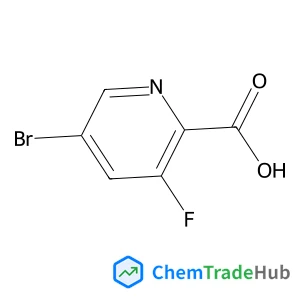
CAS Number
Related Products
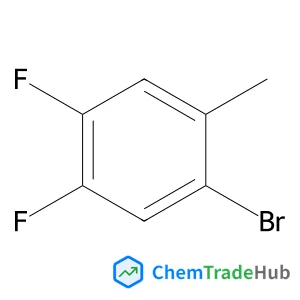
1-Bromo-4,5-difluoro-2-methylbenzene
CAS Number: 875664-38-3
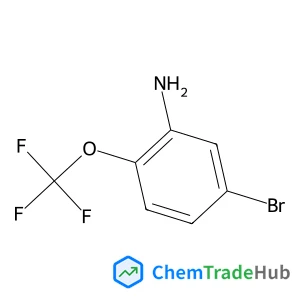
5-Bromo-2-(trifluoromethoxy)aniline
CAS Number: 886762-08-9
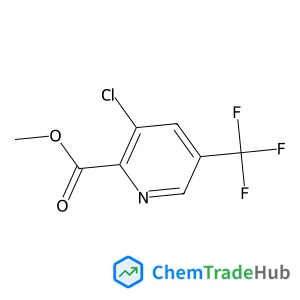
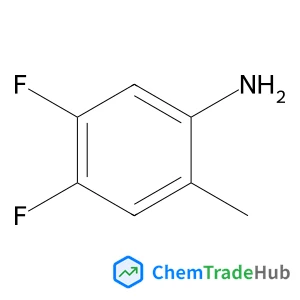
4,5-Difluoro-2-methylaniline
CAS Number: 875664-57-6
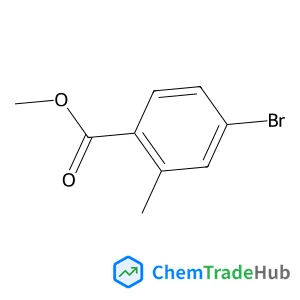
Methyl 4-bromo-2-methylbenzoate
CAS Number: 99548-55-7
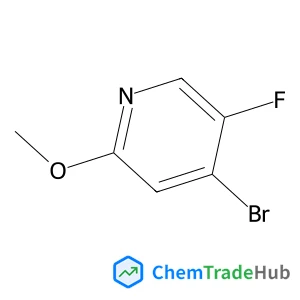
4-Bromo-5-fluoro-2-methoxypyridine
CAS Number: 884495-00-5
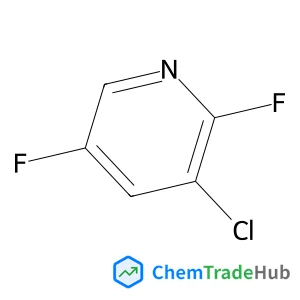
3-Chloro-2,5-difluoropyridine
CAS Number: 851179-00-5
Other Suppliers for 5-Bromo-3-fluoro-2-pyridinecarboxylic acid





Basic Information
Molecular Formula
C6H3BrFNO2
Molecular Weight
220 g/mol
Physical Properties
Melting Point
175-180 °C
Chemical Identifiers
SMILES
C1=C(C=NC(=C1F)C(=O)O)Br
InChIKey
JXHUXOAJAYWMHK-UHFFFAOYSA-N
Database References
MDL Number
MFCD07437865
FAQ
5-Bromo-3-fluoro-2-pyridinecarboxylic acid (CAS: 669066-91-5) is subject to several regulatory guidelines such as GHS classification, which categorizes it as a hazardous substance due to its potential reactivity. In the European Union, it is regulated under REACH (Registration, Evaluation, Authorization, and Restriction of Chemicals) for its safe use and handling. Additionally, the FDA and EPA have specific requirements for the safe transport and storage of this compound, including proper labeling and documentation of handling procedures.
There are several alternatives to 5-Bromo-3-fluoro-2-pyridinecarboxylic acid (CAS: 669066-91-5) that can be used in synthesis, such as other pyridine carboxylic acids with similar functional groups. Common alternatives include 3-chloro-5-bromo-2-pyridinecarboxylic acid and 4-bromo-3-fluoro-2-pyridinecarboxylic acid. These compounds can serve as effective substitutes depending on the specific reaction requirements and desired final product.
The market for 5-Bromo-3-fluoro-2-pyridinecarboxylic acid (CAS: 669066-91-5) has seen steady growth due to its applications in pharmaceuticals, agrochemicals, and research. Recent research trends focus on its use as a key intermediate in the synthesis of bioactive compounds. Market dynamics indicate an increasing demand for this compound, driven by its role in developing new drugs and crop protection agents. However, price fluctuations may occur due to supply chain challenges and the need for compliance with regulatory standards.
Waste containing 5-Bromo-3-fluoro-2-pyridinecarboxylic acid (CAS: 669066-91-5) should be handled according to strict environmental protection protocols. It is recommended to collect waste liquids in suitable containers and store them properly to prevent leakage. Waste disposal should be managed by a professional hazardous waste disposal service that adheres to local regulations. Incineration is often used for disposal, but it must be done in an environmentally controlled incinerator. Careful attention should be paid to the environmental impact and proper documentation of the waste management process to ensure compliance with regulatory requirements.
Safety Notice
Please verify product specifications and safety data before use. Contact the supplier for detailed safety information.
Always follow proper handling procedures
Contact Information
fred.wen@crcorporation.cn