



AD
20-[4-(2,4,4-Trimethyl-2-pentanyl)phenoxy]-3,6,9,12,15,18-hexaoxaicosan-1-ol(CAS: 9036-19-5)
![20-[4-(2,4,4-Trimethyl-2-pentanyl)phenoxy]-3,6,9,12,15,18-hexaoxaicosan-1-ol](https://static.chemtradehub.com/structs/903/9036-19-5-aa21.webp "20-[4-(2,4,4-Trimethyl-2-pentanyl)phenoxy]-3,6,9,12,15,18-hexaoxaicosan-1-ol")
CAS Number
Related Products
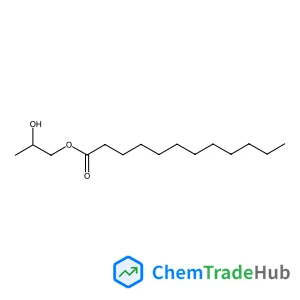
2-hydroxypropyl laurate
CAS Number: 142-55-2
POE (15) TALLOW AMINE
CAS Number: 61791-26-2
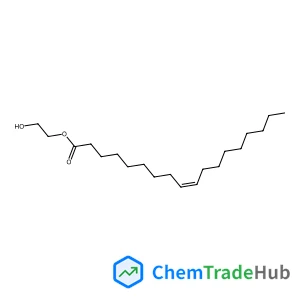
2-Hydroxyethyl (9Z)-9-octadecenoate
CAS Number: 9004-96-0
![2-[(9Z)-9-Octadecen-1-yloxy]ethanol](https://static.chemtradehub.com/structs/900/9004-98-2-1b01.webp)
2-[(9Z)-9-Octadecen-1-yloxy]ethanol
CAS Number: 9004-98-2
![2,2'-[(Octadecylimino)bis(2,1-ethanediyloxy)]diethanol](https://static.chemtradehub.com/structs/266/26635-92-7-f124.webp)
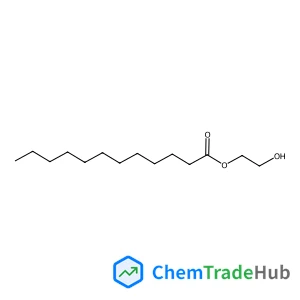
2-Hydroxyethyl laurate
CAS Number: 9004-81-3
![N-[2-(2-Hydroxyethoxy)ethyl]dodecanamide](https://static.chemtradehub.com/structs/266/26635-75-6-4d5c.webp)
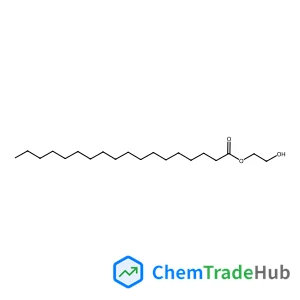
Ethylene glycol monostearate
CAS Number: 9004-99-3
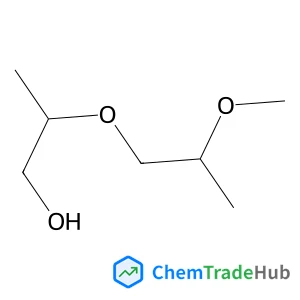
2-(2-Methoxypropoxy)-1-propanol
CAS Number: 37286-64-9
Other Suppliers for 20-[4-(2,4,4-Trimethyl-2-pentanyl)phenoxy]-3,6,9,12,15,18-hexaoxaicosan-1-ol
![20-[4-(2,4,4-Trimethyl-2-pentanyl)phenoxy]-3,6,9,12,15,18-hexaoxaicosan-1-ol — Nanjing DuLai Biotechnology Co., Ltd.](https://static.chemtradehub.com/suppliers/67ce9ba92b2de6e8e95a48bf/67ce9ba92b2de6e8e95a48bf-logo.webp)
![20-[4-(2,4,4-Trimethyl-2-pentanyl)phenoxy]-3,6,9,12,15,18-hexaoxaicosan-1-ol — Shandong Dexin Fine Chemical Co., Ltd.](https://static.chemtradehub.com/suppliers/67cdd21457537e5c8069ad57/67cdd21457537e5c8069ad57-logo.webp)
![20-[4-(2,4,4-Trimethyl-2-pentanyl)phenoxy]-3,6,9,12,15,18-hexaoxaicosan-1-ol — Jiangsu Hainan Petrochemical Factory](https://static.chemtradehub.com/suppliers/67ce86312b2de6e8e95a4782/67ce86312b2de6e8e95a4782-logo.webp)
![20-[4-(2,4,4-Trimethyl-2-pentanyl)phenoxy]-3,6,9,12,15,18-hexaoxaicosan-1-ol — Shanghai Titan Shareholding Technology Co., Ltd.](https://static.chemtradehub.com/suppliers/67cdfa4757537e5c8069b08b/67cdfa4757537e5c8069b08b-logo.webp)
![20-[4-(2,4,4-Trimethyl-2-pentanyl)phenoxy]-3,6,9,12,15,18-hexaoxaicosan-1-ol — Guangdong Wanzhang Chemical Reagent Co., Ltd.](https://static.chemtradehub.com/suppliers/67ce43292b2de6e8e95a42fd/67ce43292b2de6e8e95a42fd-logo.webp)
Basic Information
Molecular Formula
C28H50O8
Molecular Weight
514.7 g/mol
EINECS
999-999-2
Physical Properties
Melting Point
0.05°C
Boiling Point
586.77°C (rough estimate)
Density
1.06 g/mL at 20 °C
Flash Point
>230 °F
Water Solubility
Miscible with water.
Chemical Identifiers
SMILES
CC(C)(C)CC(C)(C)c1ccc(cc1)OCCOCCOCCOCCOCCOCCOCCO
InChIKey
HNLXNOZHXNSSPN-UHFFFAOYSA-N
Database References
MDL Number
MFCD00128254
Beilstein Registry Number
2315025
FAQ
20-[4-(2,4,4-Trimethyl-2-pentanyl)phenoxy]-3,6,9,12,15,18-hexaoxaicosan-1-ol (CAS: 9036-19-5) is a synthetic organic compound with a complex structure featuring a long-chain polyether backbone and a phenyl-substituted aliphatic group. It is a viscous liquid with low volatility, high solubility in organic solvents, and exhibits surfactant properties due to its amphiphilic nature. The compound is commonly used in specialized chemical applications requiring emulsification or stabilization.
This compound is primarily utilized in pharmaceutical formulations as a solubilizing agent, in industrial coatings for its stabilizing properties, and in research settings for studying surfactant behavior. It may also find applications in specialty chemicals requiring controlled surface activity, such as in polymer science or microencapsulation technologies. Its unique structure makes it suitable for targeted chemical interactions in complex systems.
Safety of this compound depends on proper handling. It is generally considered non-toxic in low concentrations but may cause mild skin or eye irritation. Precautions include using protective gloves, goggles, and ensuring adequate ventilation. It is classified as a low-hazard chemical under standard safety protocols, but adherence to OSHA and EPA guidelines is recommended to minimize exposure risks.
Store in a cool, dry place (ideally below 25°C), away from direct light and moisture. Use airtight, sealed containers made of glass or HDPE to prevent contamination. Keep in a well-ventilated area and avoid exposure to heat sources. Ensure the storage environment maintains low humidity to preserve stability and prolong shelf life.
Safety Notice
Please verify product specifications and safety data before use. Contact the supplier for detailed safety information.
Always follow proper handling procedures
Contact Information
1259471214@qq.com