



AD
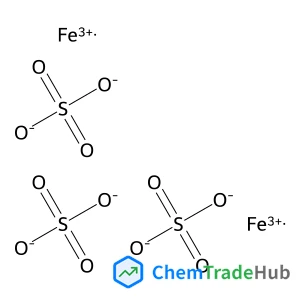
Iron(3+) sulfate (2:3)(CAS: 10028-22-5)
CAS Number
Related Products
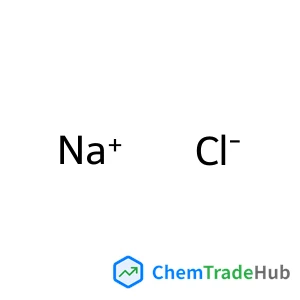
Sodium chloride
CAS Number: 7647-14-5
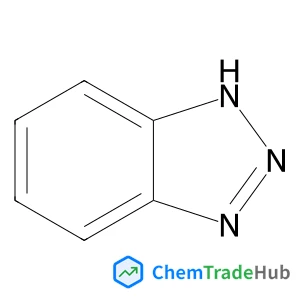
Bestatin Impurity 11
CAS Number: 95-14-7
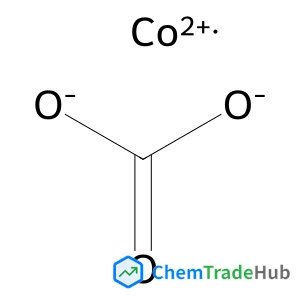
Cobalt(2+) carbonate hydrate (1:1:1)
CAS Number: 513-79-1
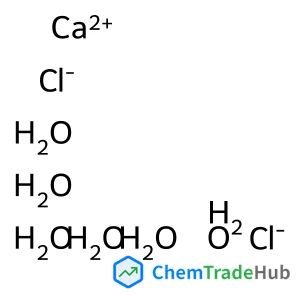
Calcium chloride hydrate (1:2:1)
CAS Number: 7774-34-7
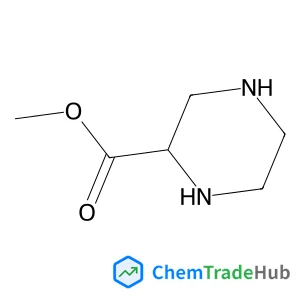
Methyl 2-piperazinecarboxylate
CAS Number: 2758-98-7
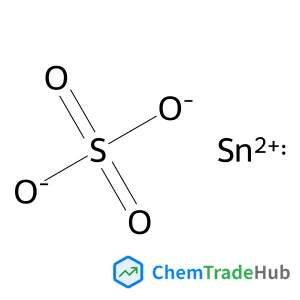
$l^{2}-stannane disulfate
CAS Number: 7488-55-3
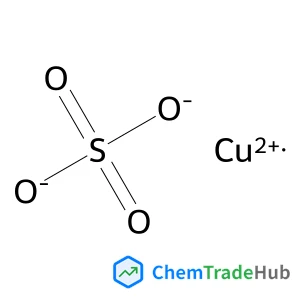
Copper(2+) sulfate
CAS Number: 7758-98-7
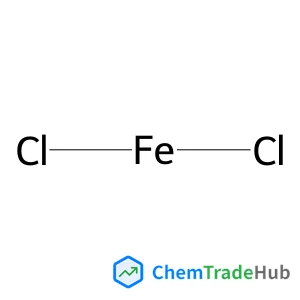
Iron(2+) dichloride
CAS Number: 7758-94-3
Other Suppliers for Iron(3+) sulfate (2:3)


Basic Information
Molecular Formula
Fe2O12S3
Molecular Weight
399.88 g/mol
Physical Properties
Melting Point
480°C
Boiling Point
330 °C at 760 mmHg
Water Solubility
Soluble in water. Sparingly soluble in alcohol. Almost insoluble in acetone and ethyl acetate. Insoluble in sulfuric acid and ammonia.
Chemical Identifiers
SMILES
[O-]S(=O)(=O)[O-].[O-]S(=O)(=O)[O-].[O-]S(=O)(=O)[O-].[Fe+3].[Fe+3]
InChIKey
RUTXIHLAWFEWGM-UHFFFAOYSA-H
Database References
MDL Number
MFCD00149716
FAQ
Iron(3+) sulfate (2:3) is a chemical compound with the formula Fe₂(SO₄)₃. It is a yellowish solid that is highly soluble in water and commonly used in various industrial and laboratory applications. The compound is known for its iron content and sulfate ions, making it an important source of iron in chemical processes.
Iron(3+) sulfate (2:3) is widely used in water treatment to remove impurities, in the production of pigments and dyes, and in the synthesis of other iron compounds. It also finds applications in pharmaceuticals for iron supplementation and in laboratory settings for chemical reactions requiring iron ions.
Iron(3+) sulfate (2:3) is generally considered safe when handled properly, but it can be harmful if ingested or inhaled in large quantities. It is important to follow safety guidelines, such as wearing protective gear and ensuring proper ventilation, to minimize exposure risks. Always adhere to local safety and handling regulations.
Iron(3+) sulfate (2:3) should be stored in a cool, dry place away from moisture and light. It is best kept in a sealed container to prevent contamination and degradation. Ensure storage conditions are stable and avoid exposure to water or humid environments to maintain its chemical integrity.
Safety Notice
Please verify product specifications and safety data before use. Contact the supplier for detailed safety information.
Always follow proper handling procedures