



AD
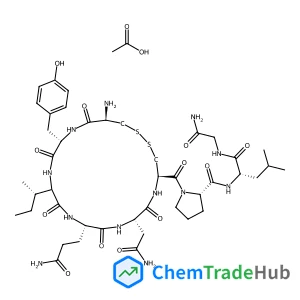
Oxytocin Acetate(CAS: 6233-83-6)
CAS Number
Related Products
![1-{[(4R,7S,10S,13S,16S)-7-(2-Amino-2-oxoethyl)-10-(3-amino-3-oxopropyl)-13-benzyl-16-(4-hydroxybenzyl)-6,9,12,15,18-pentaoxo-1,2-dithia-5,8,11,14,17-pentaazacycloicosan-4-yl]carbonyl}-L-prolyl-D-argin
ylglycinamide acetate (1:2)](https://static.chemtradehub.com/structs/167/16789-98-3-5384.webp)
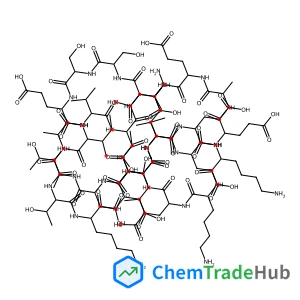
Thymalfasin
CAS Number: 62304-98-7
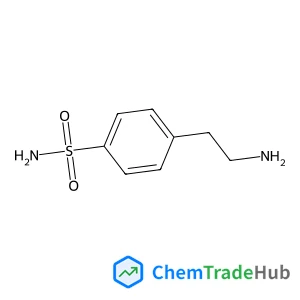
4-(2-Aminoethyl)benzenesulfonamide
CAS Number: 35303-76-5
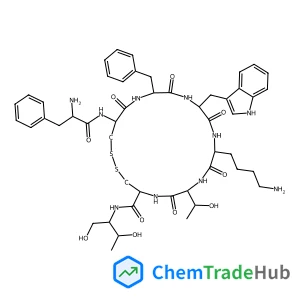
Octreotide
CAS Number: 83150-76-9
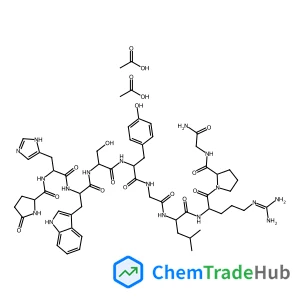
Gonadorelin diacetate
CAS Number: 71447-49-9
![(23S,50S)-50-{[(9H-Fluoren-9-ylmethoxy)carbonyl]amino}-2,2-dimethyl-23-{[(2-methyl-2-propanyl)oxy]carbonyl}-4,21,26,35,44-pentaoxo-3,30,33,39,42-pentaoxa-22,27,36,45-tetraazahenpentacontan-51-oic acid
(non-preferred name)](https://static.chemtradehub.com/structs/166/1662688-20-1-2160.webp)
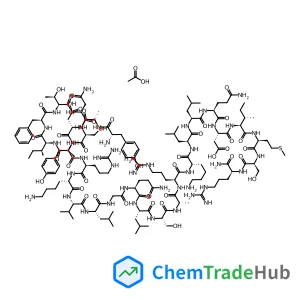
Sermorelin acetate
CAS Number: 114466-38-5
Other Suppliers for Oxytocin Acetate






Basic Information
Molecular Formula
C45H70N12O14S2
Molecular Weight
1067.26 g/mol
Chemical Identifiers
SMILES
CC(=O)O.CC[C@@H](C1NC(=O)[C@H](Cc2ccc(cc2)O)NC(=O)[C@@H](N)CSSC[C@H](NC(=O)[C@@H](NC(=O)[C@@H](NC1=O)CCC(=O)N)CC(=O)N)C(=O)N1CCC[C@H]1C(=O)N[C@H](C(=O)NCC(=O)N)CC(C)C)C
InChIKey
DSZOEVVLZMNAEH-MUOBJISASA-N
Database References
MDL Number
MFCD11046045
FAQ
Oxytocin Acetate (CAS: 6233-83-6) falls under the regulatory oversight of various organizations. In the European Union, it is regulated under REACH (Registration, Evaluation, Authorisation and Restriction of Chemicals). In the United States, it is regulated by the FDA (Food and Drug Administration) and EPA (Environmental Protection Agency) for pharmaceutical and industrial uses. Additionally, it must adhere to GHS (Globally Harmonized System of Classification and Labeling of Chemicals) for proper hazard communication and material safety data sheets (MSDS).
In the synthesis of oxytocin acetate (CAS: 6233-83-6), several alternatives can be considered. Analogues such as oxytocin ethyl ester and arginine vasopressin can be used as alternatives. Common alternative reagents include acetic anhydride for esterification reactions. Isomers of oxytocin can also serve as useful intermediates in the synthesis process.
The market for oxytocin acetate (CAS: 6233-83-6) is steadily growing, driven by increasing research into its therapeutic applications. Recent trends indicate a rise in the use of oxytocin acetate in veterinary medicine and pharmaceuticals. Research is also exploring its potential in treating stress and anxiety disorders. The demand is expected to continue due to its versatile use and expanding applications in different industries.
Waste containing oxytocin acetate (CAS: 6233-83-6) should be handled by first collecting it in appropriate containers, ensuring proper labeling and containment to prevent spills. For disposal, professional waste disposal services should be utilized. Incineration is a common method for chemical waste disposal, but it must be done in an approved facility. Environmental precautions include ensuring that waste is not released into the environment, and following local and national waste management regulations.
Safety Notice
Please verify product specifications and safety data before use. Contact the supplier for detailed safety information.
Always follow proper handling procedures
Contact Information
peptide@tianmapharma.com