



AD
Indium telluride (In2Te3)(CAS: 1312-45-4)

CAS Number
Related Products
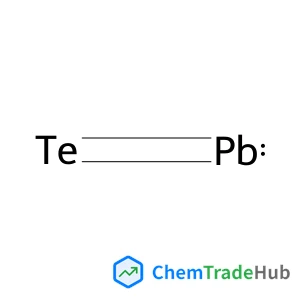
Telluroxo-lambda~2~-plumbane
CAS Number: 1314-91-6

oxo-oxogallanyloxy-gallane
CAS Number: 12024-21-4
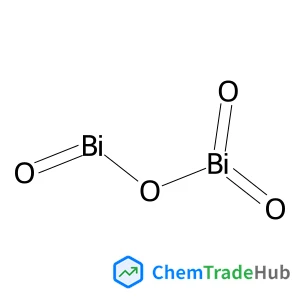
1,3-Dioxodibismoxane 1-oxide
CAS Number: 12048-50-9
Copper(2+)
CAS Number: 7440-50-8
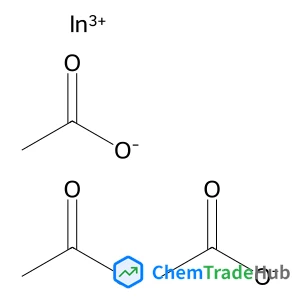
Indium triacetate
CAS Number: 25114-58-3
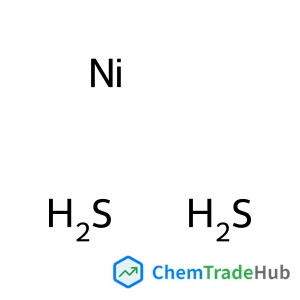
Nickel sulfide (NiS2)
CAS Number: 12035-51-7
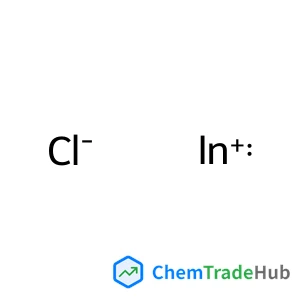
Indium(I) chloride
CAS Number: 13465-10-6

Zinc telluride (ZnTe)
CAS Number: 1315-11-3
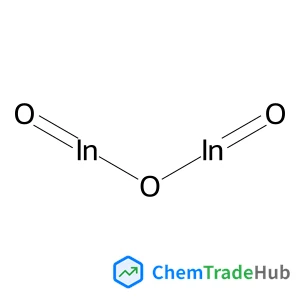
oxo-oxoindiganyloxy-indigane
CAS Number: 1312-43-2
Other Suppliers for Indium telluride (In2Te3)







Basic Information
Molecular Formula
In2Te3
Molecular Weight
612.44 g/mol
EINECS
215-194-4
Physical Properties
Melting Point
667°C
Density
5,8 g/cm3
Chemical Identifiers
SMILES
[In]=[Te].[In]=[Te].[Te]
InChIKey
TWZRXWXUSGBTAD-UHFFFAOYSA-N
Database References
MDL Number
MFCD00016148
FAQ
Indium telluride (In2Te3) is a crystalline semiconductor with a cubic structure. It has a high molecular weight of approximately 471.74 g/mol. Indium telluride is insoluble in water but soluble in strong acids. It has a moderate reactivity with air and moisture. It's commonly used in infrared detectors and semiconductor devices.
Indium telluride can be synthesized by solid-state reaction or by chemical vapor deposition (CVD). The solid-state method involves the heating of indium and tellurium powders to form the compound. CVD involves the reaction of indium and tellurium compounds in a gas phase under controlled conditions to deposit Indium telluride films. Both methods require precise control of temperature and atmosphere to achieve high yield and selectivity.
Indium telluride (In2Te3) is primarily used in the semiconductor and electronics industry for infrared photodetectors and sensors. It is also applied in the pharmaceutical industry for certain types of imaging agents. Additionally, it is used in the development of advanced solar cells and other electronic devices.
When handling Indium telluride (CAS: 1312-45-4), appropriate personal protective equipment (PPE) such as gloves, goggles, and a lab coat should be worn. Work should be conducted in a fume hood to minimize exposure. Spills should be cleaned up using appropriate methods, and disposal should follow local regulations. Always refer to the Safety Data Sheet (SDS) for detailed handling instructions and emergency procedures.
Safety Notice
Please verify product specifications and safety data before use. Contact the supplier for detailed safety information.
Always follow proper handling procedures
Contact Information
Contact Person
Mr. Zhang
1520465850@qq.com