AD
Rhodium, bis(acetonitrile)tetrakis[μ-[methyl 2-(oxo-κO)-4-oxazolidinecarboxylato-κN3]]di-, (Rh-Rh), stereoisomer(CAS: 167693-36-9)
![Rhodium, bis(acetonitrile)tetrakis[μ-[methyl 2-(oxo-κO)-4-oxazolidinecarboxylato-κN3]]di-, (Rh-Rh), stereoisomer](https://static.chemtradehub.com/structs/167/167693-36-9-7bdb.webp "Rhodium, bis(acetonitrile)tetrakis[μ-[methyl 2-(oxo-κO)-4-oxazolidinecarboxylato-κN3]]di-, (Rh-Rh), stereoisomer")
CAS Number
Related Products
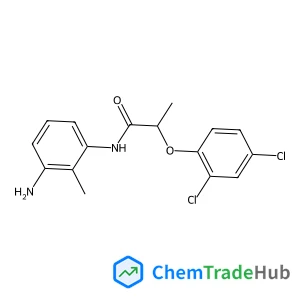
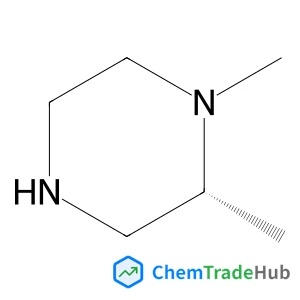
(2R)-1,2-Dimethylpiperazine
CAS Number: 623586-02-7
![(2S)-4-Hydroxy-7-(hydroxymethyl)-2-(2-hydroxy-2-propanyl)-2,3-dihydro-5H-furo[3,2-g]chromen-5-one](https://static.chemtradehub.com/structs/496/49624-66-0-7116.webp)
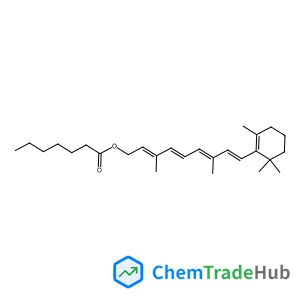
O~15~-Heptanoylretinol
CAS Number: 88641-44-5
![1-Methoxy-2-[1-(4-methoxyphenyl)propyl]benzene](https://static.chemtradehub.com/structs/334/33451-22-8-2ef2.webp)
CAS Number: 1350524-27-4
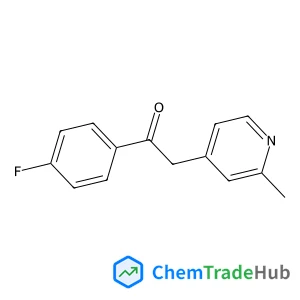
Other Suppliers for Rhodium, bis(acetonitrile)tetrakis[μ-[methyl 2-(oxo-κO)-4-oxazolidinecarboxylato-κN3]]di-, (Rh-Rh), stereoisomer
![Rhodium, bis(acetonitrile)tetrakis[μ-[methyl 2-(oxo-κO)-4-oxazolidinecarboxylato-κN3]]di-, (Rh-Rh), stereoisomer — Shanghai Jixiang Biotechnology Co., Ltd.](https://static.chemtradehub.com/suppliers/67ce6f4d2b2de6e8e95a45bf/67ce6f4d2b2de6e8e95a45bf-logo.webp)
Basic Information
Molecular Formula
C20H28N4O16Rh2
Molecular Weight
786.3 g/mol
Physical Properties
Melting Point
293 °C
Chemical Identifiers
SMILES
COC(=O)[C@H]1COC(=N1)[O-].COC(=O)[C@H]1COC(=N1)[O-].COC(=O)[C@H]1COC(=N1)[O-].COC(=O)[C@H]1COC(=N1)[O-].CC#N.CC#N.[Rh+2].[Rh+2]
InChIKey
AKXBDWBPALTEEI-NWPSFPFRSA-J
Database References
MDL Number
MFCD00467689
FAQ
This compound, as a chemical reagent, must adhere to the GHS classification for hazardous chemicals, REACH regulations for the registration, evaluation, authorization, and restriction of chemicals in the EU, and FDA and EPA requirements for safety and environmental protection in the USA. It is important to consult with legal and safety professionals to ensure compliance with local and international regulations.
While Rhodium is a powerful catalyst, alternatives like palladium complexes, ruthenium compounds, or transition metal complexes may be used depending on the specific reaction conditions. Other methods may include homogeneous catalysis, enzymatic catalysis, or alternative metal complexes as substitutes.
Research and development in the use of Rhodium complexes, particularly in asymmetric catalysis and sequential reactions, are ongoing. Market trends suggest a focus on green chemistry and sustainable processes, which may lead to an increased interest in more eco-friendly alternatives. However, due to its high reactivity and efficiency, Rhodium remains a key player in complex synthesis.
Waste containing this compound should be collected in a compatible container and stored in a secure, well-ventilated area. Proper waste disposal should follow local regulations, often involving incineration or professional chemical waste disposal services. Ensure all safety measures are taken, including personal protective equipment and adherence to environmental protection precautions.
Safety Notice
Please verify product specifications and safety data before use. Contact the supplier for detailed safety information.
Always follow proper handling procedures