



AD
2-(2-Pyrazinyl)ethanethiol(CAS: 35250-53-4)
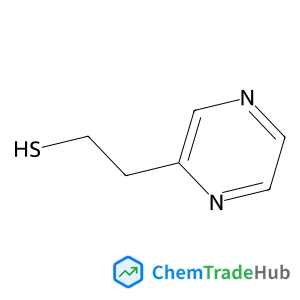
CAS Number
Related Products
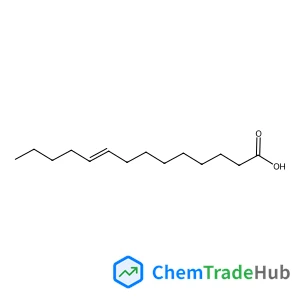
(9Z)-9-Tetradecenoic acid
CAS Number: 544-64-9
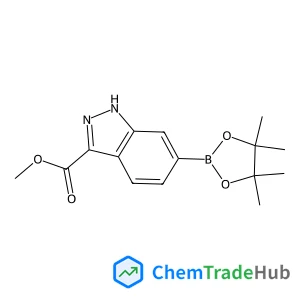
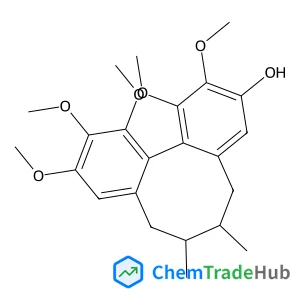
Gomisin K1
CAS Number: 75629-20-8
![2-Methyl-2-propanyl (1R,5R)-5-hydroxy-3-azabicyclo[4.1.0]heptane-3-carboxylate](https://static.chemtradehub.com/structs/230/2305079-71-2-b0dc.webp)
![2-Oxa-7-azaspiro[3.5]nonane acetate (1:1)](https://static.chemtradehub.com/structs/131/1313369-52-6-2eb1.webp)
![4-Nitrophenyl N-[(benzyloxy)carbonyl]-D-phenylalaninate](https://static.chemtradehub.com/structs/257/2578-85-0-6c76.webp)
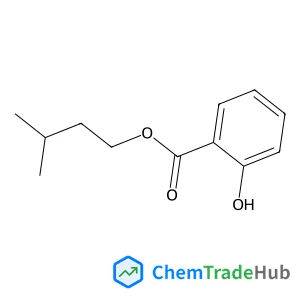
3-Methylbutyl salicylate
CAS Number: 87-20-7
![4-{[4-(4-Chlorophenyl)-1,3-thiazol-2-yl]amino}phenol hydrochloride (1:1)](https://static.chemtradehub.com/structs/117/1177741-83-1-b09e.webp)
![2-[4-(5-Amino-2-pyridinyl)-1-piperazinyl]-1-ethanol](https://static.chemtradehub.com/structs/101/1017221-34-9-ca8d.webp)
Other Suppliers for 2-(2-Pyrazinyl)ethanethiol






Basic Information
Molecular Formula
C6H8N2S
Molecular Weight
140.21 g/mol
Physical Properties
Melting Point
No data available
Boiling Point
105-110 ºC (20 mmHg)
Flash Point
113 ºC
Water Solubility
Partly soluble in water, soluble in most organic solvents.
Chemical Identifiers
SMILES
SCCc1cnccn1
InChIKey
QKVWBAMZPUHCMO-UHFFFAOYSA-N
Database References
MDL Number
MFCD00053160
Beilstein Registry Number
0774932
FAQ
2-(2-Pyrazinyl)ethanethiol (CAS: 35250-53-4) is subject to the Globally Harmonized System of Classification and Labeling of Chemicals (GHS) for hazardous chemicals. It must comply with REACH regulations in the European Union, which require registration of substances above one tonne per year. In the USA, it is regulated by the EPA and FDA for safety and environmental protection. Detailed handling and disposal information must be adhered to for these regulatory guidelines.
There are several alternatives to 2-(2-Pyrazinyl)ethanethiol (CAS: 35250-53-4) that can be used in synthesis, such as 2-pyridylethanethiol or 2-benzothiazylethanethiol. These compounds can serve similar functionalities but offer different performance characteristics and may be preferred based on specific needs. Alternatives can be selected based on reactivity, availability, and cost.
The market for 2-(2-Pyrazinyl)ethanethiol (CAS: 35250-53-4) is growing due to its applications in pharmaceuticals and organic synthesis. Research trends are focusing on its use as a chelating agent and in the development of new medicinal compounds. The demand is driven by its unique properties, making it an important compound in both academic and industrial research.
Waste containing 2-(2-Pyrazinyl)ethanethiol (CAS: 35250-53-4) should be collected in appropriate containers and labeled for hazardous waste. Proper incineration or professional waste disposal should be used to manage the waste. Environmental precautions include ensuring that waste is not released into the environment and that all handling adheres to local and national regulations. Safe disposal methods must be followed to minimize environmental impact.
Safety Notice
Please verify product specifications and safety data before use. Contact the supplier for detailed safety information.
Always follow proper handling procedures
Contact Information
chenling@zzstandard.com