



AD
2,6-Bis(hydroxymethyl)-4-methylphenol(CAS: 91-04-3)

CAS Number
Related Products
![4-Sulfothiacalix[4]arene sodium salt](https://static.chemtradehub.com/structs/211/211561-04-5-c419.webp)
4-Sulfothiacalix[4]arene sodium salt
CAS Number: 211561-04-5
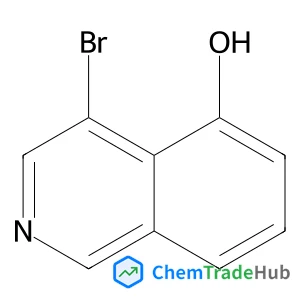
4-Bromoisoquinolin-5-ol
CAS Number: 651310-41-7
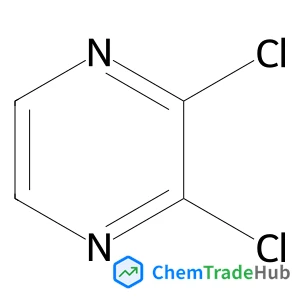
2,3-dichloropyrazine
CAS Number: 4858-85-9
![3-[4-(Aminomethyl)-1,3-thiazol-2-yl]aniline](https://static.chemtradehub.com/structs/885/885280-76-2-68fa.webp)
![Sodium 6-methyl-2-thioxo-5,6,7,8-tetrahydro-2H-pyrido[4,3-d]pyrimidin-4a-ide](https://static.chemtradehub.com/structs/125/1255717-42-0-d896.webp)
![{(2S,6R)-4-Benzyl-6-[(benzyloxy)methyl]-2-morpholinyl}methanol](https://static.chemtradehub.com/structs/158/1581750-87-9-8b86.webp)
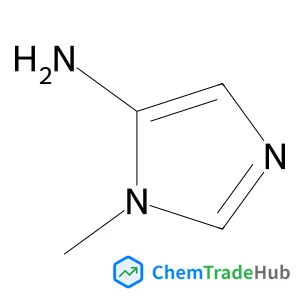
1-Methyl-1H-imidazol-5-amine
CAS Number: 66787-75-5
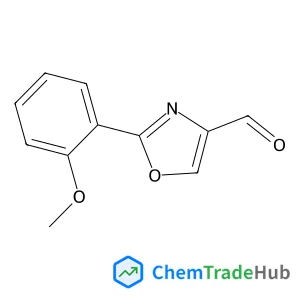
![(1R)-2-{[(2-Methyl-2-propanyl)oxy]carbonyl}-5-(methylsulfonyl)-1-isoindolinecarboxylic acid](https://static.chemtradehub.com/structs/210/2101238-70-2-41e6.webp)
Other Suppliers for 2,6-Bis(hydroxymethyl)-4-methylphenol






Basic Information
Molecular Formula
C9H12O3
Molecular Weight
168.19 g/mol
Physical State
Powder
Physical Properties
Melting Point
125.0 to 128.0 deg-C
Boiling Point
237.12°C (rough estimate)
Density
1.0812 (rough estimate)
Flash Point
166.1 °C
Chemical Identifiers
SMILES
CC1=CC(=C(C(=C1)CO)O)CO
InChIKey
KUMMBDBTERQYCG-UHFFFAOYSA-N
Database References
MDL Number
MFCD00004619
Beilstein Registry Number
1240237
FAQ
2,6-Bis(hydroxymethyl)-4-methylphenol (CAS: 91-04-3) is a white crystalline solid with a molecular weight of approximately 204.22 g/mol. It has a faint phenolic odor and is slightly soluble in water. Chemically, it is highly reactive due to the presence of hydroxyl and methyl groups. The compound exhibits good reducing properties and can react with various oxidizing agents.
2,6-Bis(hydroxymethyl)-4-methylphenol is typically synthesized through the condensation of 2,6-dihydroxybenzaldehyde with methylamine. The reaction is catalyzed by sodium hydroxide and occurs in an aqueous medium. The yield is generally around 70-80%, and the method is favored for its simplicity and high reproducibility.
2,6-Bis(hydroxymethyl)-4-methylphenol (CAS: 91-04-3) is used in a variety of industries, including pharmaceuticals, where it serves as a precursor for the synthesis of certain drugs. It is also utilized in the production of polymers for electronics, as a component in sensors, and in semiconductors for its chemical and physical properties.
What precautions should be taken when handling 2,6-Bis(hydroxymethyl)-4-methylphenol (CAS: 91-04-3)?
When handling 2,6-Bis(hydroxymethyl)-4-methylphenol (CAS: 91-04-3), it is essential to wear personal protective equipment (PPE) such as gloves, goggles, and a lab coat. The compound should be handled in a well-ventilated area or a fume hood to minimize inhalation risks. Spills should be cleaned up using appropriate absorbent materials, and the area should be thoroughly decontaminated. Always refer to the Safety Data Sheet (SDS) for detailed safety information.
Safety Notice
Please verify product specifications and safety data before use. Contact the supplier for detailed safety information.
Always follow proper handling procedures

Contact Information
3004779232@qq.com
Mobile
18013972705
Telephone
025-66061636
Visit Website
http://www.aikonchem.com/