AD
(Hydroxymethyl)phenylphosphinic acid(CAS: 61451-78-3)
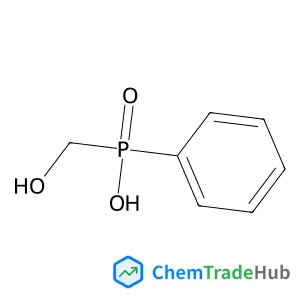
CAS Number
Related Products
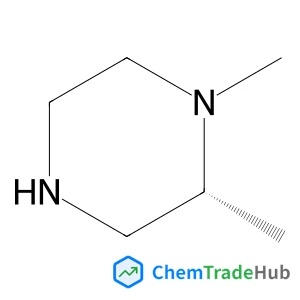
(2R)-1,2-Dimethylpiperazine
CAS Number: 623586-02-7
![(2S)-4-Hydroxy-7-(hydroxymethyl)-2-(2-hydroxy-2-propanyl)-2,3-dihydro-5H-furo[3,2-g]chromen-5-one](https://static.chemtradehub.com/structs/496/49624-66-0-7116.webp)
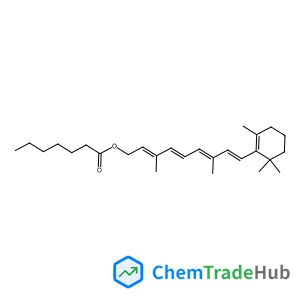
O~15~-Heptanoylretinol
CAS Number: 88641-44-5
![1-Methoxy-2-[1-(4-methoxyphenyl)propyl]benzene](https://static.chemtradehub.com/structs/334/33451-22-8-2ef2.webp)
CAS Number: 1350524-27-4
Other Suppliers for (Hydroxymethyl)phenylphosphinic acid





Basic Information
Molecular Formula
C7H9O3P
Molecular Weight
172.12 g/mol
Chemical Identifiers
SMILES
c1ccc(cc1)P(=O)(CO)O
InChIKey
SYBJZXZBVFWDAO-UHFFFAOYSA-N
Database References
FAQ
(Hydroxymethyl)phenylphosphinic acid (CAS: 61451-78-3) is subject to regulatory guidelines such as GHS classification, REACH regulations, and FDA/EPA requirements. It is classified as a hazardous substance due to its potential corrosive and flammable properties. REACH regulations require registration, evaluation, and authorization for the manufacture, import, and supply of this compound. FDA and EPA guidelines focus on the safe handling, use, and disposal to prevent environmental contamination.
Alternatives to (Hydroxymethyl)phenylphosphinic acid (CAS: 61451-78-3) in synthesis include similar phosphoric acid derivatives or other functionalized aromatic compounds. Common substitutes include phenylphosphonic acid and various hydroxylated analogs. These alternatives can provide similar reactivity but with potentially better stability, solubility, or lower toxicity, making them suitable for specific applications in organic synthesis.
The market for (Hydroxymethyl)phenylphosphinic acid (CAS: 61451-78-3) is driven by its applications in pharmaceuticals, agrochemicals, and electronics. Research trends focus on developing safer and more efficient synthesis methods to improve the compound's performance and reduce environmental impact. Emerging studies explore its role in catalysts, surface treatments, and as a building block in medicinal chemistry. Price trends indicate stable demand with minor fluctuations based on supply chain and raw material availability.
Waste containing (Hydroxymethyl)phenylphosphinic acid (CAS: 61451-78-3) should be managed by collecting it in appropriate containers and transferring it to a professional hazardous waste disposal facility. Incineration is a common method, but it must be conducted in accordance with local regulations to minimize environmental impact. Environmental protection precautions include neutralizing any acidic waste before disposal and following all safety protocols to prevent leaks or spills. Proper labeling and documentation are essential for regulatory compliance.
Safety Notice
Please verify product specifications and safety data before use. Contact the supplier for detailed safety information.
Always follow proper handling procedures