



AD
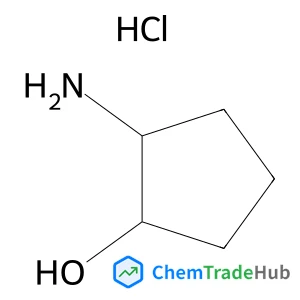
trans-2-aminocyclopentanol;hydrochloride(CAS: 31775-67-4)
CAS Number
Related Products
![3-[4-Fluoro-2-(trifluoromethyl)phenyl]propanoic acid](https://static.chemtradehub.com/structs/916/916420-73-0-ee37.webp)
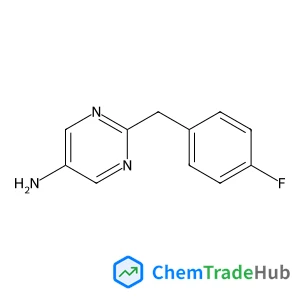
2-(4-Fluorobenzyl)-5-pyrimidinamine
CAS Number: 1152557-45-3
![Methyl [4-cyano-3-(3-thienyl)-1H-pyrazol-1-yl]acetate](https://static.chemtradehub.com/structs/209/2098083-01-1-68bf.webp)
![3-[4-Cyclopentyl-5-(methylsulfanyl)-4H-1,2,4-triazol-3-yl]-1-propanamine hydroiodide (1:1)](https://static.chemtradehub.com/structs/119/1197609-28-1-10f2.webp)
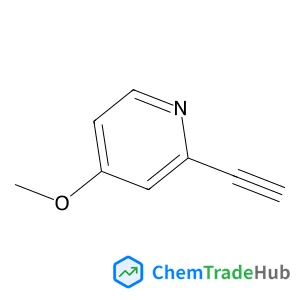
2-Ethynyl-4-methoxypyridine
CAS Number: 1211533-95-7
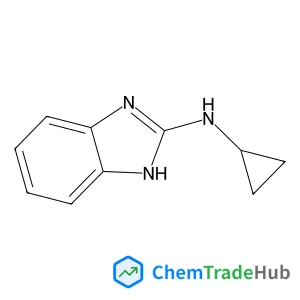
N-Cyclopropyl-1H-benzimidazol-2-amine
CAS Number: 941266-08-6
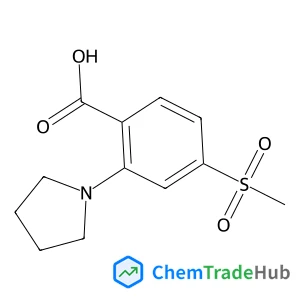
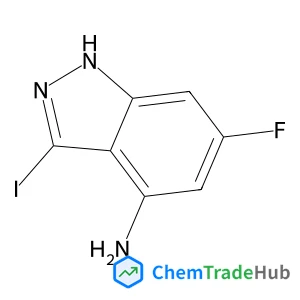
4-AMINO-6-FLUORO-3-IODO (1H)INDAZOLE
CAS Number: 885523-02-4
Other Suppliers for trans-2-aminocyclopentanol;hydrochloride






Basic Information
Molecular Formula
C5H12ClNO
Molecular Weight
137.61 g/mol
Physical Properties
Melting Point
191-196 °C (lit.)
Boiling Point
387.8°C at 760 mmHg
Chemical Identifiers
SMILES
C1CC(C(C1)O)N.Cl
InChIKey
ZFSXKSSWYSZPGQ-TYSVMGFPSA-N
Database References
MDL Number
MFCD02683551
FAQ
Trans-2-aminocyclopentanol hydrochloride (CAS: 31775-67-4) is subject to various regulatory guidelines including GHS classification, REACH regulations, and FDA/EPA requirements. It is classified as a hazardous substance in the GHS system, requiring proper labeling and handling. REACH regulations mandate detailed chemical safety assessments and registration for import and manufacture in the European Union. FDA regulations apply to the use of this compound in pharmaceuticals or food additives, ensuring safety and efficacy. EPA regulations cover environmental protection, disposal, and reporting requirements.
Alternatives to trans-2-aminocyclopentanol hydrochloride (CAS: 31775-67-4) in synthesis include similar aminocyclopentanol derivatives, such as cis-2-aminocyclopentanol, and other amine-containing compounds like 2-(aminomethyl)cyclopentanol. These alternatives can serve as effective substitutes depending on the specific application. Common alternative reagents include amino acids, amines, and related small molecules, which can be used to synthesize similar functional groups.
What is the market or research trend for trans-2-aminocyclopentanol hydrochloride (CAS: 31775-67-4)?
The market for trans-2-aminocyclopentanol hydrochloride (CAS: 31775-67-4) shows steady growth, driven by increasing demand in pharmaceutical and agricultural applications. Research trends focus on its use in drug development, particularly in treatments for respiratory and gastrointestinal disorders. Additionally, there is growing interest in its role as a precursor for organic synthesis. Market trends indicate a need for safer and more sustainable production methods, aligning with global regulatory demands and environmental concerns.
Waste containing trans-2-aminocyclopentanol hydrochloride (CAS: 31775-67-4) should be handled according to environmental and safety regulations. Waste liquids should be collected in appropriate containers and stored separately to prevent contamination. Incineration or professional waste disposal services should be utilized for safe disposal. Environmental protection precautions include ensuring proper containment to avoid release into the environment, and following local regulations for waste management. Always consult the Safety Data Sheet (SDS) for specific disposal instructions and local regulatory requirements.
Safety Notice
Please verify product specifications and safety data before use. Contact the supplier for detailed safety information.
Always follow proper handling procedures
Contact Information
3641133981@qq.com