



AD
Hydroxyammonium chloride(CAS: 5470-11-1)
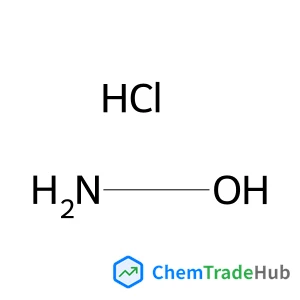
CAS Number
Related Products
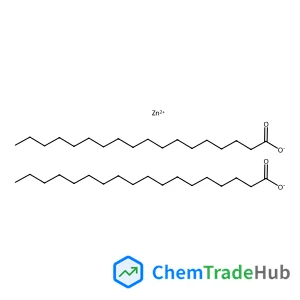
Zinc dioctadecanoate
CAS Number: 557-05-1
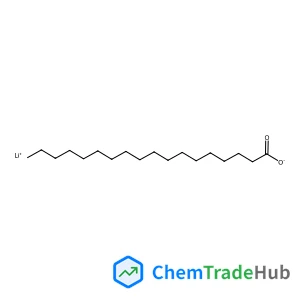
Lithium stearate
CAS Number: 4485-12-5
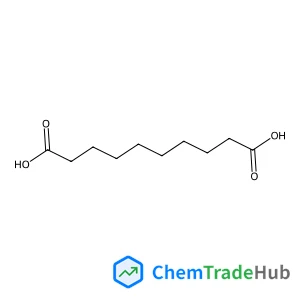
Sebacic acid
CAS Number: 111-20-6
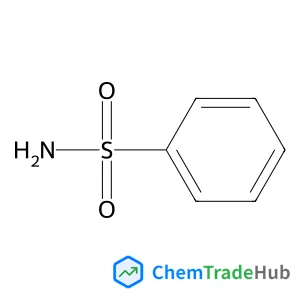
Benzenesulfonamide
CAS Number: 98-10-2
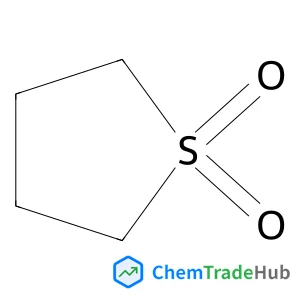
Tetrahydrothiophene 1,1-dioxide
CAS Number: 126-33-0
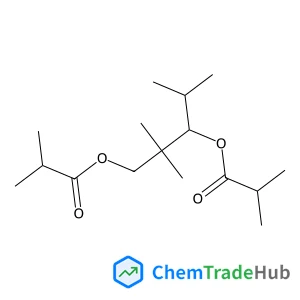
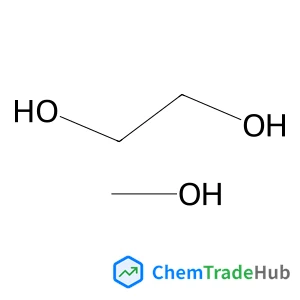
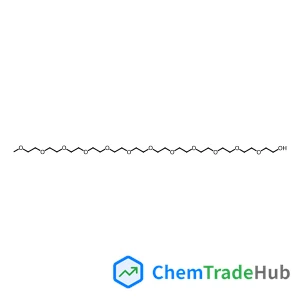
Methoxypolyethylene glycols
CAS Number: 9004-74-4
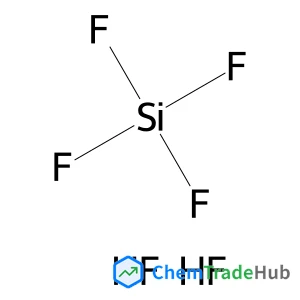
Fluorosilicic acid solution
CAS Number: 16961-83-4
Other Suppliers for Hydroxyammonium chloride




Basic Information
Molecular Formula
H4ClNO
Molecular Weight
69.49 g/mol
EINECS
226-798-2
Physical Properties
Melting Point
155-157 °C (dec.) (lit.)
Boiling Point
56.5℃ (760 mmHg)
Density
1.67 g/mL at 25 °C(lit.)
Flash Point
152
Water Solubility
560 g/L (20 ºC)
Chemical Identifiers
SMILES
NO.Cl
InChIKey
WCYJQVALWQMJGE-UHFFFAOYSA-M
Database References
MDL Number
MFCD00051089
Beilstein Registry Number
3539763
FAQ
Hydroxyammonium chloride, with the CAS number 5470-11-1, is an inorganic compound with the chemical formula NH3OHCl. It is a white crystalline solid that is soluble in water. This compound is commonly used as a reducing agent and is known for its ability to donate electrons in chemical reactions. Hydroxyammonium chloride is also used in the synthesis of various organic compounds and is often referred to as a key reagent in chemical research.
Hydroxyammonium chloride (CAS: 5470-11-1) is widely used in pharmaceuticals for the synthesis of drugs and as a reducing agent in organic chemistry. It also finds applications in industrial processes such as dye manufacturing and in the preparation of other nitrogen-containing compounds. In research settings, it serves as a valuable reagent for oxidation and reduction reactions. Additionally, it is used in the production of certain fertilizers and as a catalyst in chemical reactions, making it a versatile compound in various fields.
Hydroxyammonium chloride (CAS: 5470-11-1) is generally considered safe when handled properly, but it can be harmful if inhaled or ingested. It is corrosive to the skin and eyes, and may cause irritation. Safety standards recommend wearing protective gloves, goggles, and a lab coat when working with this compound. Proper ventilation is also essential. It should be stored in a secure, well-ventilated area to minimize exposure risks.
Hydroxyammonium chloride (CAS: 5470-11-1) should be stored in a cool, dry place away from moisture and light. It is typically kept in airtight containers to prevent degradation and contamination. The ideal storage temperature is between 0–25°C, and it should be protected from high humidity. Storage in a well-ventilated area is recommended, and it should be kept away from incompatible materials to ensure stability and safety.
Safety Notice
Please verify product specifications and safety data before use. Contact the supplier for detailed safety information.
Always follow proper handling procedures
Contact Information
Contact Person
Gong Meilin
1944633936@qq.com