



AD
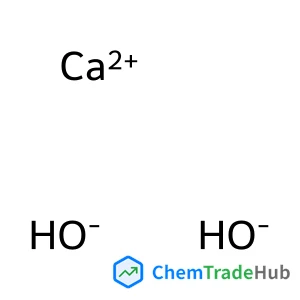
Calcium dihydroxide(CAS: 1305-62-0)
CAS Number
Related Products

Carbonic acid ammoniate (1:1)
CAS Number: 1066-33-7
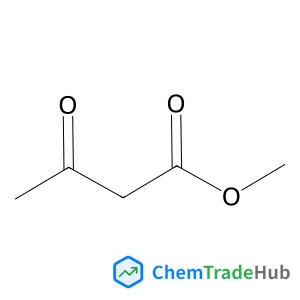
Methyl Acetoacetate
CAS Number: 105-45-3
Zirconium dioxide
CAS Number: 1314-23-4

Cyclohexanol
CAS Number: 108-93-0

Terephthalic acid
CAS Number: 100-21-0
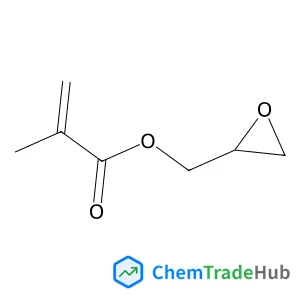
2-Oxiranylmethyl methacrylate
CAS Number: 106-91-2

(Methylsulfinyl)methane
CAS Number: 67-68-5
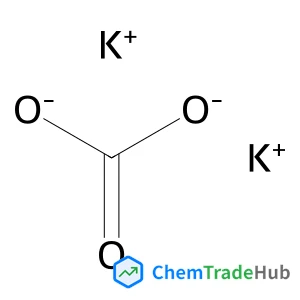
Dipotassium carbonate
CAS Number: 584-08-7
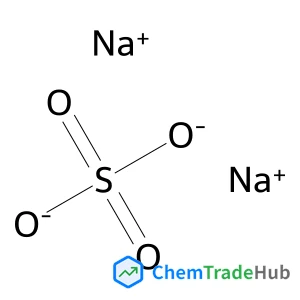
Sodium Sulfate
CAS Number: 7757-82-6
Other Suppliers for Calcium dihydroxide

Basic Information
Molecular Formula
H2CaO2
Molecular Weight
74.09 g/mol
Physical Properties
Melting Point
580 ºC
Boiling Point
2850 ºC
Flash Point
/Calcium Hydroxide is/ non flammable
Water Solubility
1.65 g/L (20 ºC)
Chemical Identifiers
SMILES
[Ca+2].[OH-].[OH-]
InChIKey
AXCZMVOFGPJBDE-UHFFFAOYSA-L
Database References
MDL Number
MFCD00010901
FAQ
Calcium dihydroxide (CAS: 1305-62-0) is a chemical compound with the formula Ca(OH)₂. It appears as a white, odorless powder and is highly soluble in water. This compound exhibits strong alkaline properties and is commonly used in industrial and chemical applications, including water treatment and pharmaceuticals.
Calcium dihydroxide (CAS: 1305-62-0) is widely used in pharmaceuticals as an antacid, in water treatment for pH adjustment, in construction materials like drywall, and as a food additive for leavening agents. It also serves industrial purposes, such as in the production of other chemicals and as a desiccant, and is essential in research for alkaline solutions.
Calcium dihydroxide (CAS: 1305-62-0) is generally considered safe when handled properly, but direct contact with skin or eyes, inhalation of dust, or ingestion can cause irritation. Safety precautions include wearing protective gloves, goggles, and a mask. It adheres to OSHA and EPA safety standards for industrial use.
Calcium dihydroxide (CAS: 1305-62-0) should be stored in a cool, dry place, away from moisture and light. Use airtight containers to maintain stability and prevent degradation. Ensure proper ventilation in storage areas to avoid inhalation risks. It remains chemically stable under normal conditions but requires protection from humidity and contaminants.
Safety Notice
Please verify product specifications and safety data before use. Contact the supplier for detailed safety information.
Always follow proper handling procedures
Contact Information
jnsjtd@163.com