



AD
oxalic acid(CAS: 144-62-7)
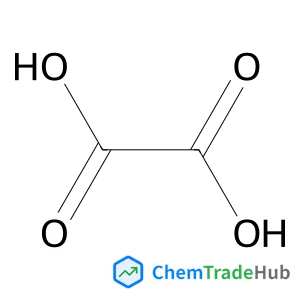
CAS Number
Related Products
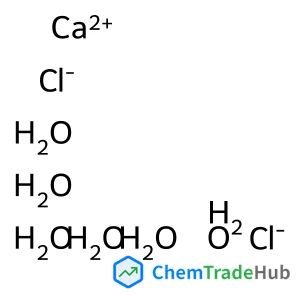
Calcium chloride hydrate (1:2:1)
CAS Number: 7774-34-7
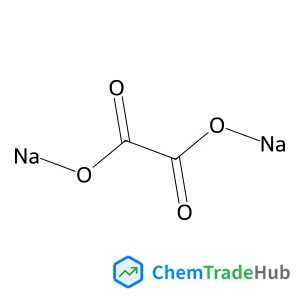
Disodium oxalate
CAS Number: 62-76-0
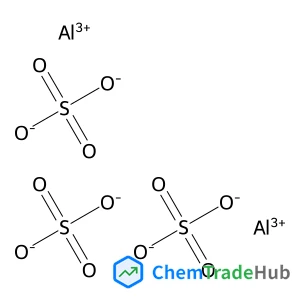
Aluminium sulfate (2:3)
CAS Number: 10043-01-3
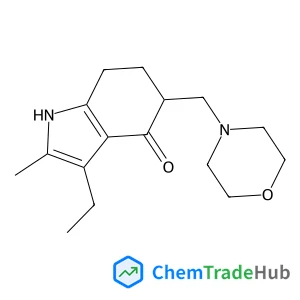
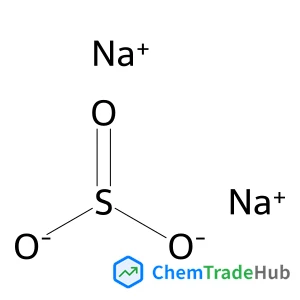
Sodium Sulfite
CAS Number: 7757-83-7
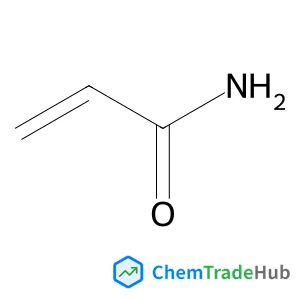
Acrylamide
CAS Number: 9003-05-8
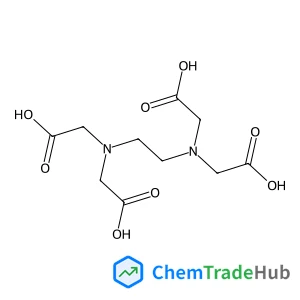
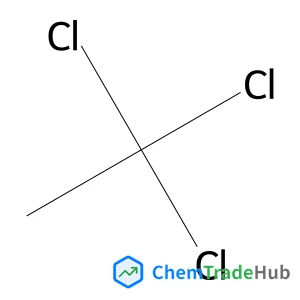
1,1,2-Trichloroethane
CAS Number: 25323-89-1
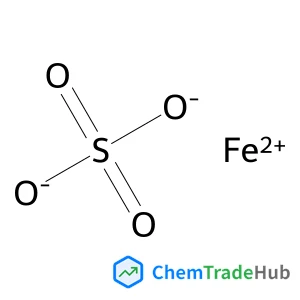
Iron(2+) sulfate
CAS Number: 7720-78-7
Other Suppliers for oxalic acid


Basic Information
Molecular Formula
C2H2O4
Molecular Weight
90.03 g/mol
Physical Properties
Melting Point
189.5 °C (dec.) (lit.)
Boiling Point
365.1°C (estimate)
Flash Point
101-157°C
Water Solubility
90 g/L (20 ºC)
Chemical Identifiers
SMILES
OC(=O)C(=O)O
InChIKey
MUBZPKHOEPUJKR-UHFFFAOYSA-N
Database References
MDL Number
MFCD00002573
Beilstein Registry Number
0385686
FAQ
Oxalic acid, with the chemical formula C2H2O4, is a naturally occurring dicarboxylic acid. It is a white, crystalline solid that is soluble in water and has a sharp, sour odor. Oxalic acid is known for its strong acidic properties and ability to form insoluble salts with many cations. It is commonly found in plants and is used in various industrial and chemical applications due to its reactivity and chelating abilities.
Oxalic acid has diverse applications, including as a cleaning agent, a reducing agent in chemical synthesis, and a component in some pharmaceuticals. It is used in the textile industry for dyeing and in metal processing for removing rust. In food, it is present in small amounts in certain fruits and vegetables. Researchers also use it in analytical chemistry for its ability to complex metal ions and in the preparation of other compounds.
Oxalic acid is toxic if ingested or inhaled and can cause severe health effects. It should be handled with care, using appropriate personal protective equipment. Safety data sheets recommend avoiding prolonged exposure and ensuring proper ventilation. Oxalic acid is classified as a hazardous substance, and its use should comply with safety regulations to minimize risks.
Oxalic acid should be stored in a cool, dry, and well-ventilated place away from light. It is typically kept in airtight containers to prevent moisture absorption. Due to its hygroscopic nature, it should be protected from humidity. Storage conditions should maintain a temperature below 25°C and avoid exposure to incompatible materials to ensure stability and safety.
Safety Notice
Please verify product specifications and safety data before use. Contact the supplier for detailed safety information.
Always follow proper handling procedures
Contact Information
Contact Person
Manager Wang